
Case study
Lower Sioux’s cultural incubator becomes a vibrant hub for education, art, and connection
Through community engagement, market analysis, and collaborative planning, the Lower Sioux created a cultural center that could thrive for generations.

Minnesota

Feasibility study, Arts & culture, Community development

Jan 2017–Mar 2018
Lower Sioux Indian Community
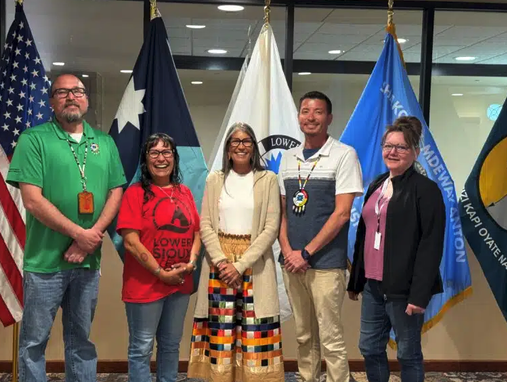
The Lower Sioux Indian Community is a federally recognized Dakota Nation located along the Minnesota River Valley in Minnesota. They’re committed to preserving Dakota heritage, revitalizing the Dakota language, and fostering opportunities for cultural and economic sustainability. Their vision for the Cansayapi Wicoicage Oti (Lower Sioux Cultural Incubator) emerged from a desire to share their history in their own voice while creating a dedicated place for intergenerational learning, arts, and entrepreneurship.
Economic struggle leads to a new community vision
The Lower Sioux Indian Community is located in southwest Minnesota within Redwood County, a rural area with 17.6 people per square mile. Approximately 145 families live on 1,743 acres of tribal land. The Tribe serves a total population of 982 residents who live within a 10-mile radius of the reservation and in some areas beyond its boundaries. The Lower Sioux population is growing, and today almost half of all tribal members are under age 24 (48.5%). By contrast, the surrounding rural region is experiencing a population decline. It’s perhaps not surprising that since 2008, the Lower Sioux has seen a decline in gaming revenue, putting a strain on the community and its families.
In 2016, the Tribe embarked on a yearlong, community-wide planning process. Collectively, the community developed a strategic vision and mission to address their challenges and support lifelong learning, spiritual and emotional wellness, and economic stability. They identified nine strategic focus areas, and a formal plan was adopted by the tribal council in 2017. At the heart of the plan was the creation of an intergenerational cultural incubator. It became a top potential strategy for achieving the Tribe’s strategic goals and meeting the needs for workforce development and business diversification.
Sweet Grass was brought in to assess the viability of the incubator. We partnered with Kim Tilsen-Brave Heart and Kim Pate to determine whether a community and cultural center could be successfully developed, constructed, and operated by the Tribe. The study’s purpose was to identify the community’s priorities, evaluate potential sites, outline programming needs, assess governance and operational models, and develop financial projections. Our goal was to provide the Lower Sioux with a clear, data-driven plan to guide decision-making and attract the investment necessary to bring the vision to life. After the completion of the study, we helped ensure community input was incorporated throughout the architectural design process. We then provided ongoing expertise in monitoring and evaluation, especially in the more formal entrepreneurial incubator portions of the new facility.
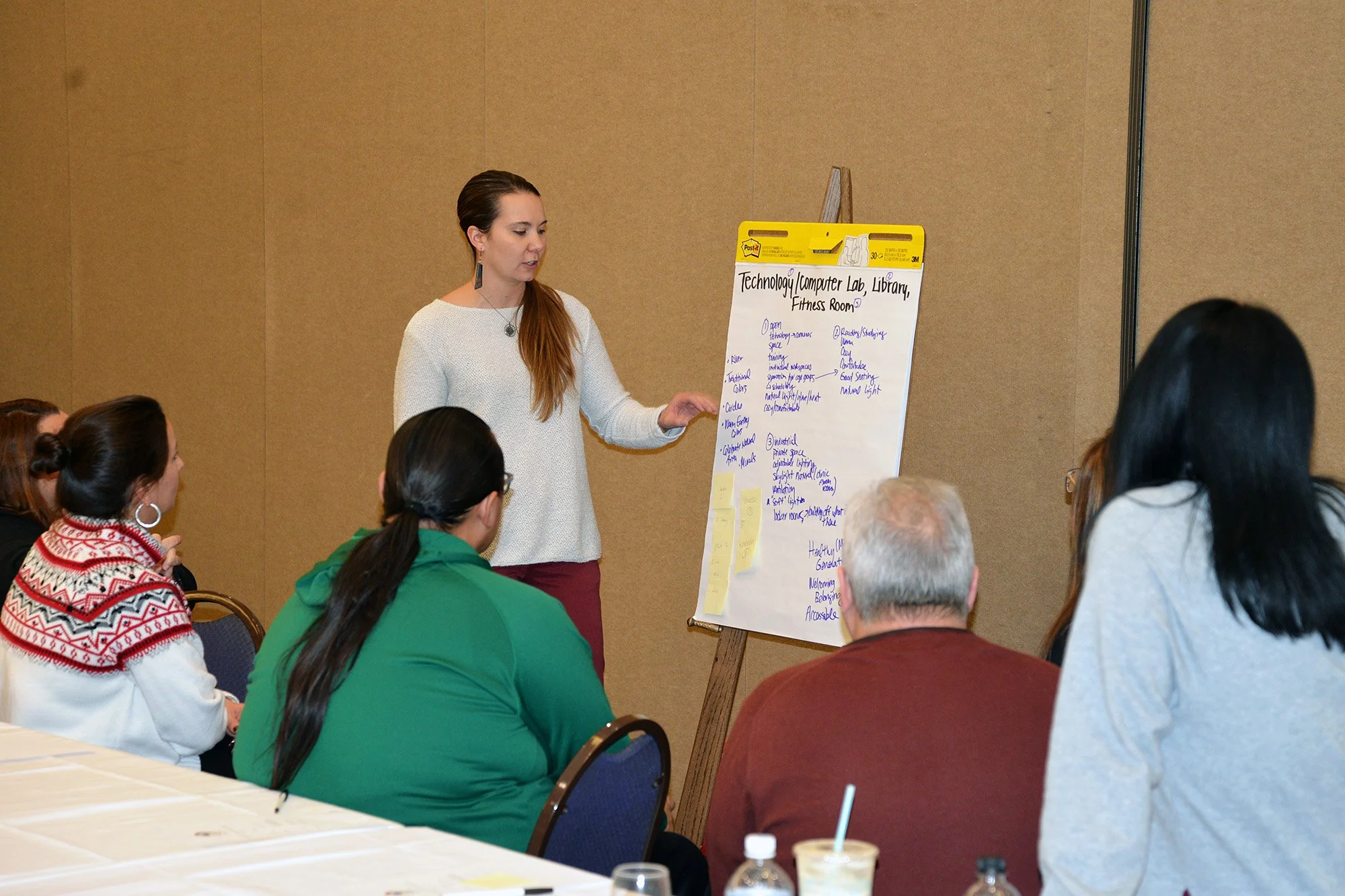
Andrea Mader, principal and strategy director, facilitates a workshop as part of the design charrette to gather information about each physical space and what community members want to see and experience.
We convened an advisory group of elders, cultural practitioners, artists, educators, and community leaders to help shape the study. They shared their insights into cultural values, historical narratives, and the practical needs for both current and future programming.
The study specifically set out to answer four questions: 1) Is there a potential to sell Lower Sioux art in the community, in southwest Minnesota, and beyond?; 2) Are there Lower Sioux artists interested in producing art and learning more about how to sell and market their art?; 3) What are the community’s concerns and hopes for the space?; and 4) What key findings or recommendations should be incorporated from external experiences?
Project partners
Feasibility study researchers and facilitators
Kim Tilsen-Brave Heart, Painted Skye Management
Kim Pate, Kimberly Pate Consulting
Architecture and engineering
Ferguson Pyatt
Walt Pourier
BNIM
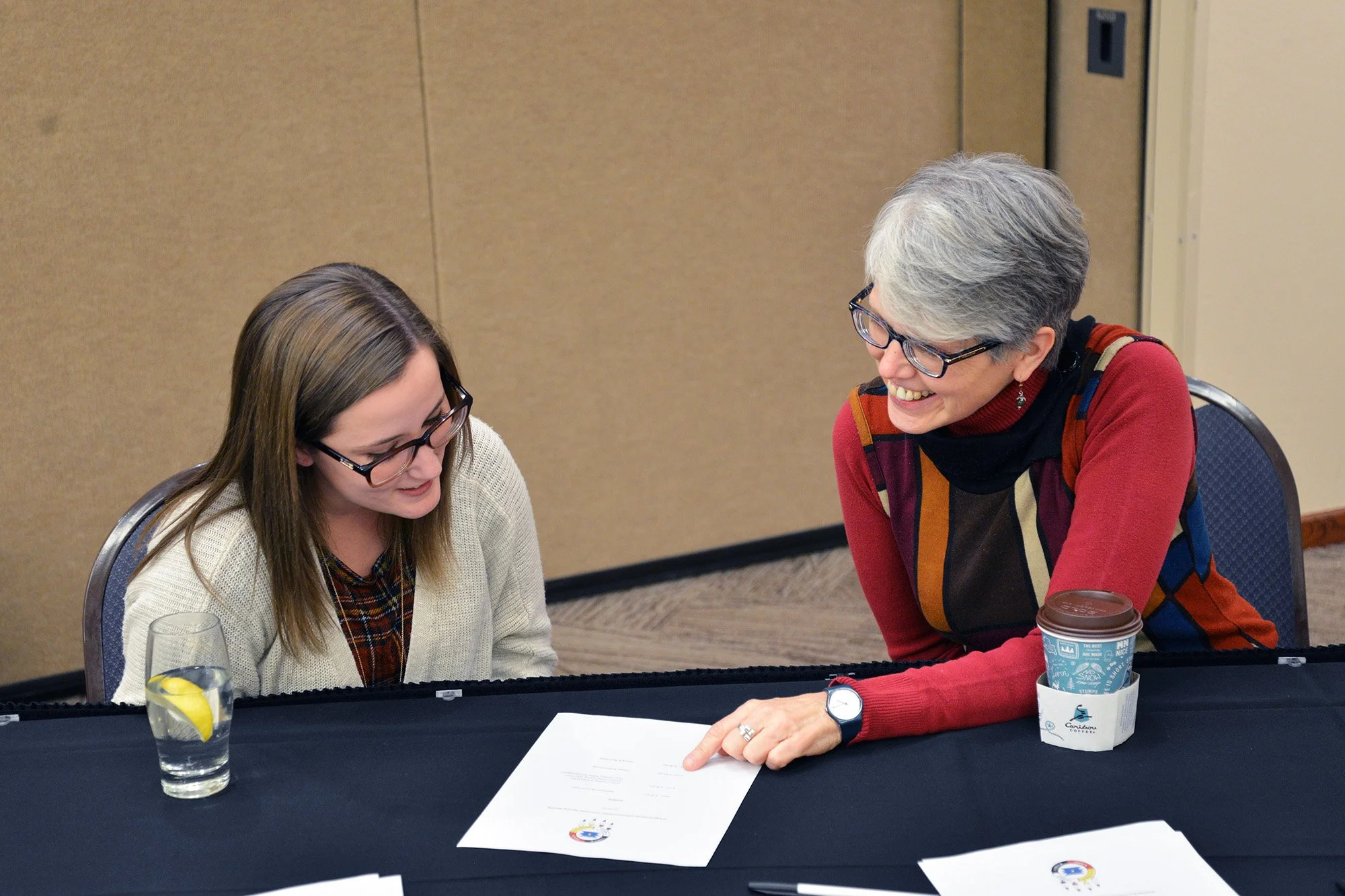
Kara Siegfried and Nora Murphy, two Lower Sioux Tribe employees and key players in the incubator planning process, participate in focus groups.
[The ultimate impact of the new community center incubator will be] an inclusive, stronger, and happier community that comes together to practice cultural, healthy, educational ways of decreasing barriers such as suicide, obesity, and space.
Lower Sioux Indian Community focus group
We combined qualitative and quantitative research through:
Conducting interviews, focus groups, and surveys with Lower Sioux community members, youth, elders, artists, educators, and partner organizations
Studying regional tourism trends, audience demographics, and competing/complementary facilities
Assessing multiple tribe-owned locations for visibility, access, and cultural resonance
Identifying priority spaces such as studios, classrooms, a gallery, a teaching kitchen, event and gathering areas, and outdoor cultural spaces
Developing capital and operating budgets, phasing options, and funding strategies
In the final phase, we developed an impact measurement plan and evaluation tools that allow the Lower Sioux to measure and tell the story of the incubator’s impact in the community.
What we learned from the community
The results of the feasibility study clearly demonstrated that an interpretive and cultural center was both viable and well-positioned to have significant cultural, educational, and economic benefits for the Lower Sioux. We identified strong community demand, potential regional audiences, and a clear competitive advantage: authentic Dakota-led storytelling and programming.
Our research showed a growing interest for local art, from both regional visitors and buyers far beyond the reservation. This demand had yet to be fully tapped by the community’s artists. We identified strategies to connect with this market, including dedicated artist studios within the incubator, shared workrooms for larger projects, and a public gallery that could also serve as a cultural tourism destination. An online platform would extend the reach of Lower Sioux artists to audiences across the country and internationally, positioning the incubator as both a hub for cultural production and a driver of the local creative economy.
Lower Sioux artists were very interested in producing art and learning more about how to sell and market their work. While not all were ready to launch a business, there was a strong appetite for training, mentorship, and space to create. Many spoke about the need for both private studios and shared spaces that foster collaboration. Artists also identified technology access as a priority, particularly for those working in video, photography, and graphic design, which would allow them to explore new creative directions and expand their markets.
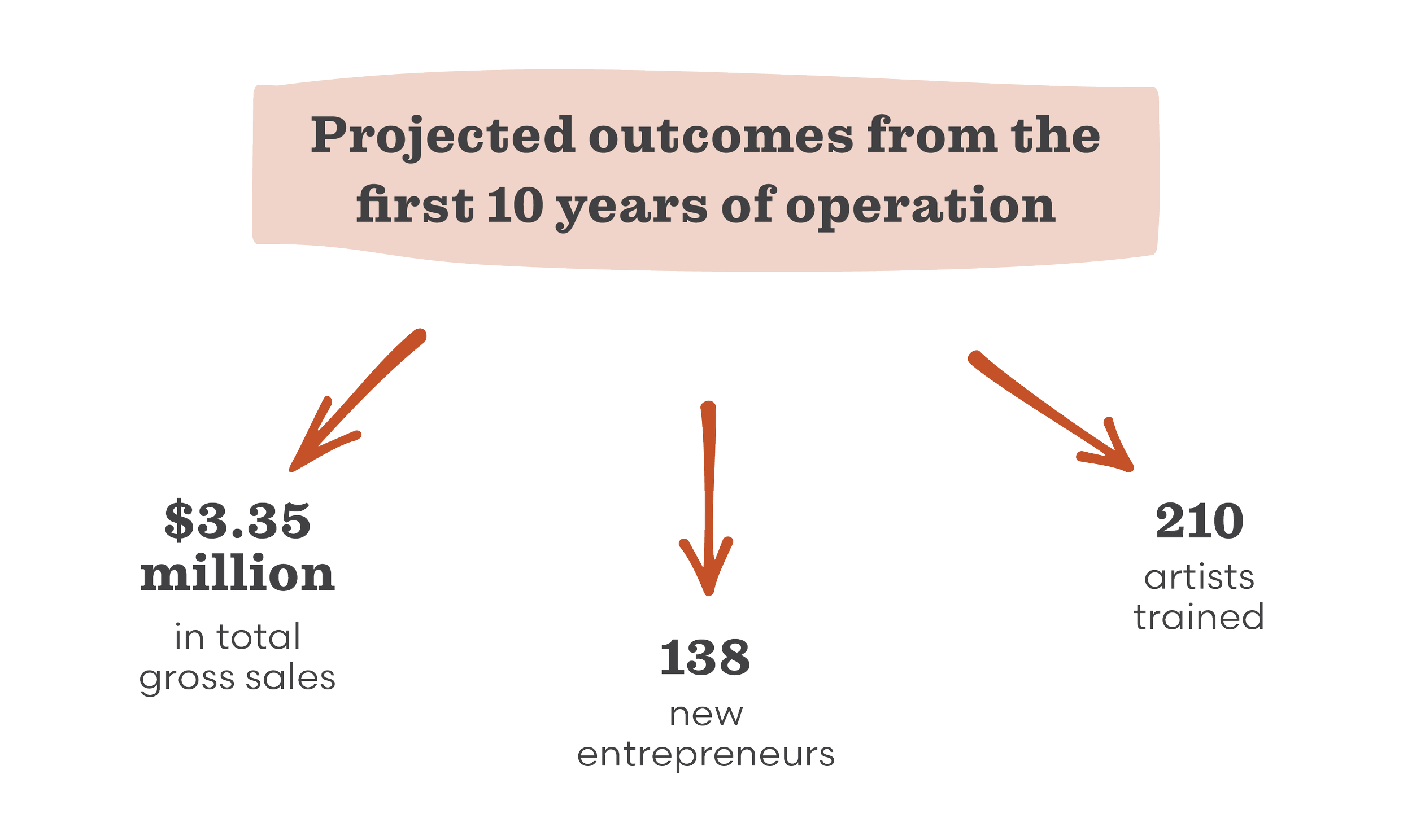
As a result of the cultural incubator, the Lower Sioux Indian Community and its artists could expect $3.35 million in total gross sales, 138 new entrepreneurs, and 210 artists trained within the first 10 years.
The community also shared their hopes and concerns for the space. Through focus groups and interviews, community members described a center that could welcome people of all ages, strengthen intergenerational connections, and serve as a place for gathering, celebration, and cultural education. They imagined classrooms and studios for learning and teaching Dakota arts, language, and traditions, alongside a large community hall for events and shared meals. Many emphasized the importance of transparency in the center’s design, operations, and funding to build lasting trust and community ownership. Health and well-being emerged as key priorities, with suggestions for incorporating fitness activities and healthy food into the programming.
To complete our research, we spoke with outside experts. We wanted to learn more about lessons drawn from external experiences. Interviews with experts in arts programming and incubator development reinforced the value of strong partnerships as a way to extend resources and increase reach. They recommended flexibility in the structure of the incubator so it could adapt to evolving needs, as well as implementing clear, measurable benchmarks for artist progression. They also stressed the importance of building in revenue-generating elements and committing to long-term evaluation processes to guide continuous improvement.
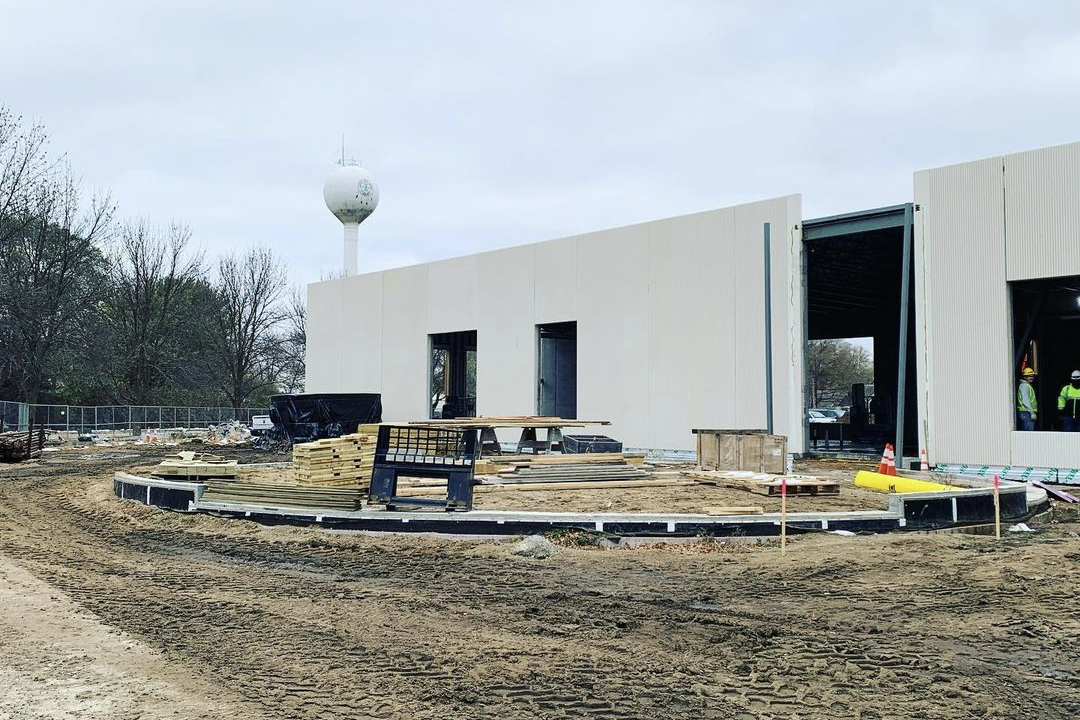
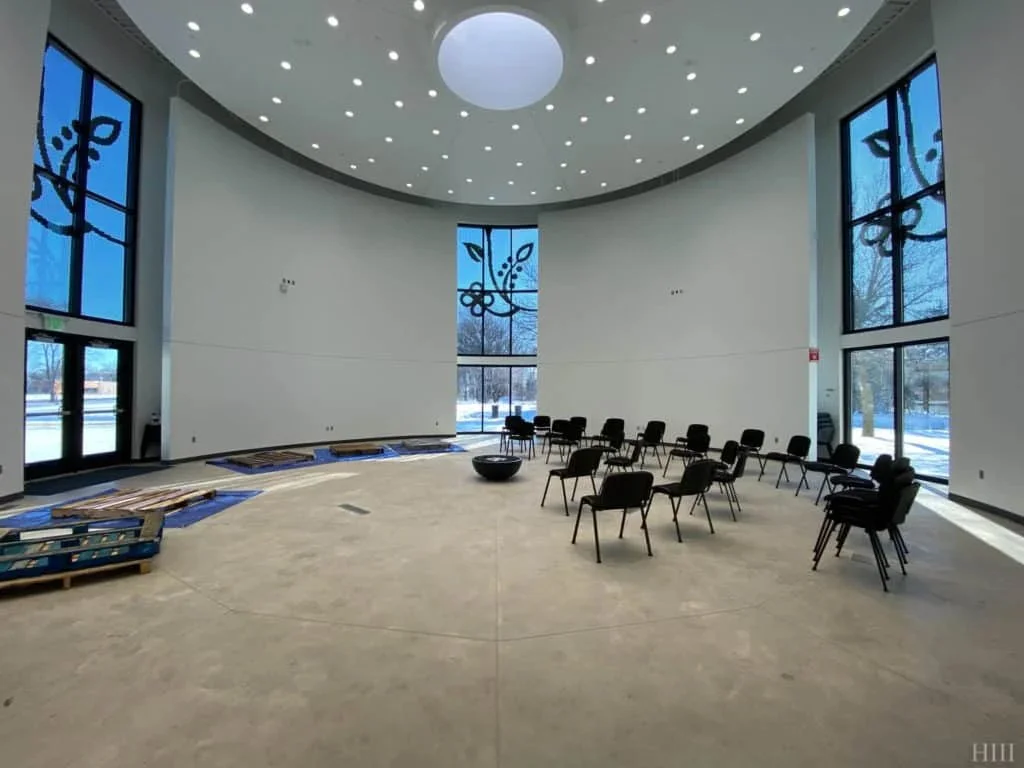
Construction of the cultural incubator in progress.
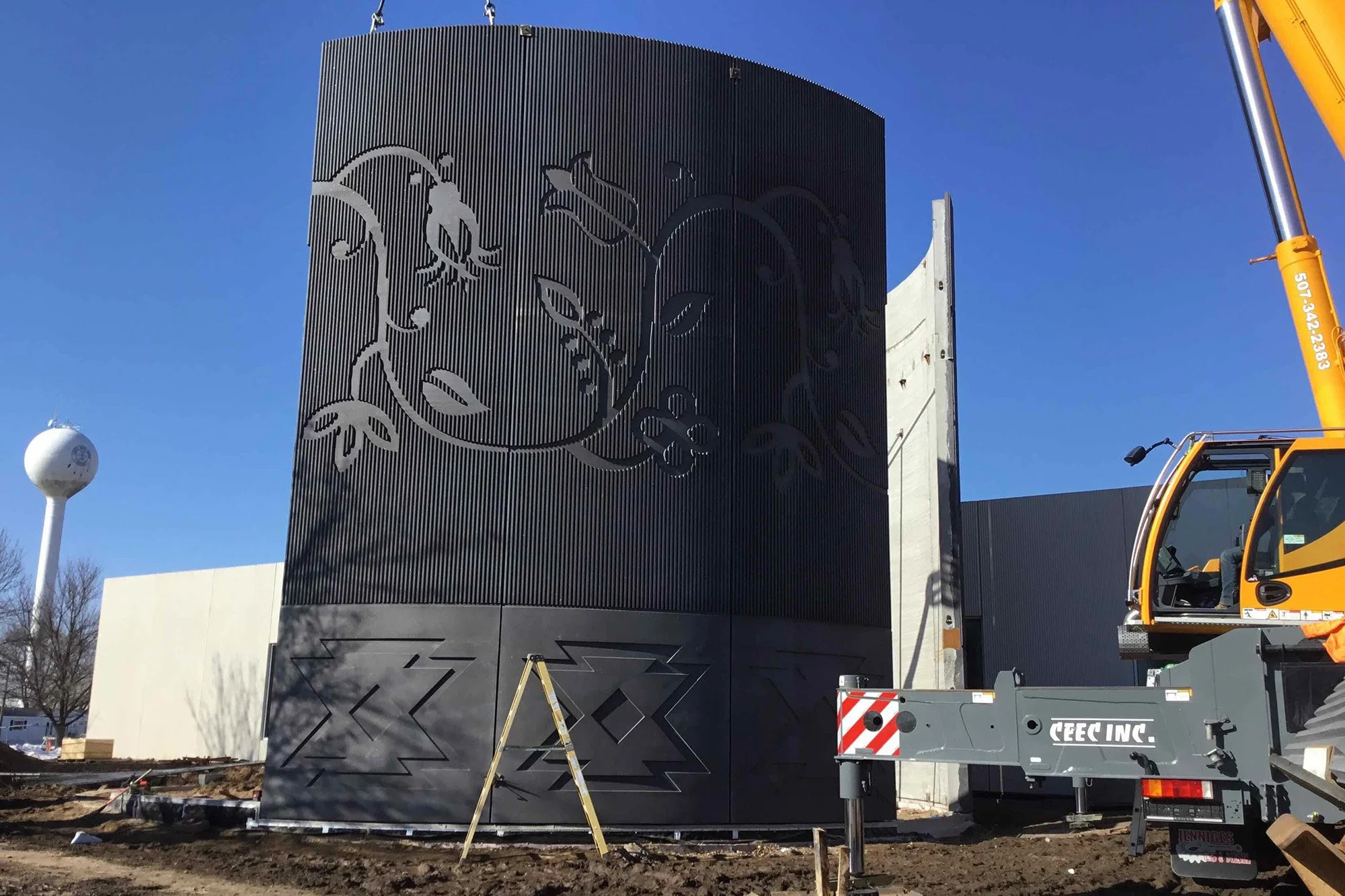
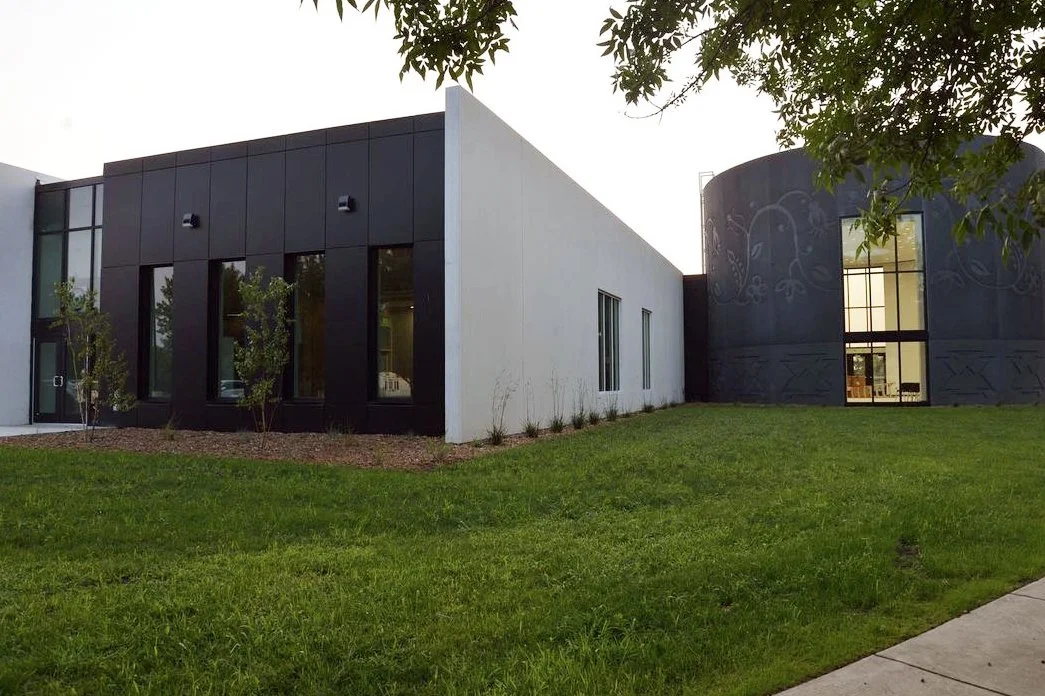
Artwork inspired by local works and produced by Walt Pourier adorn the concrete pillars that complete the round gathering space.
A collective vision realized
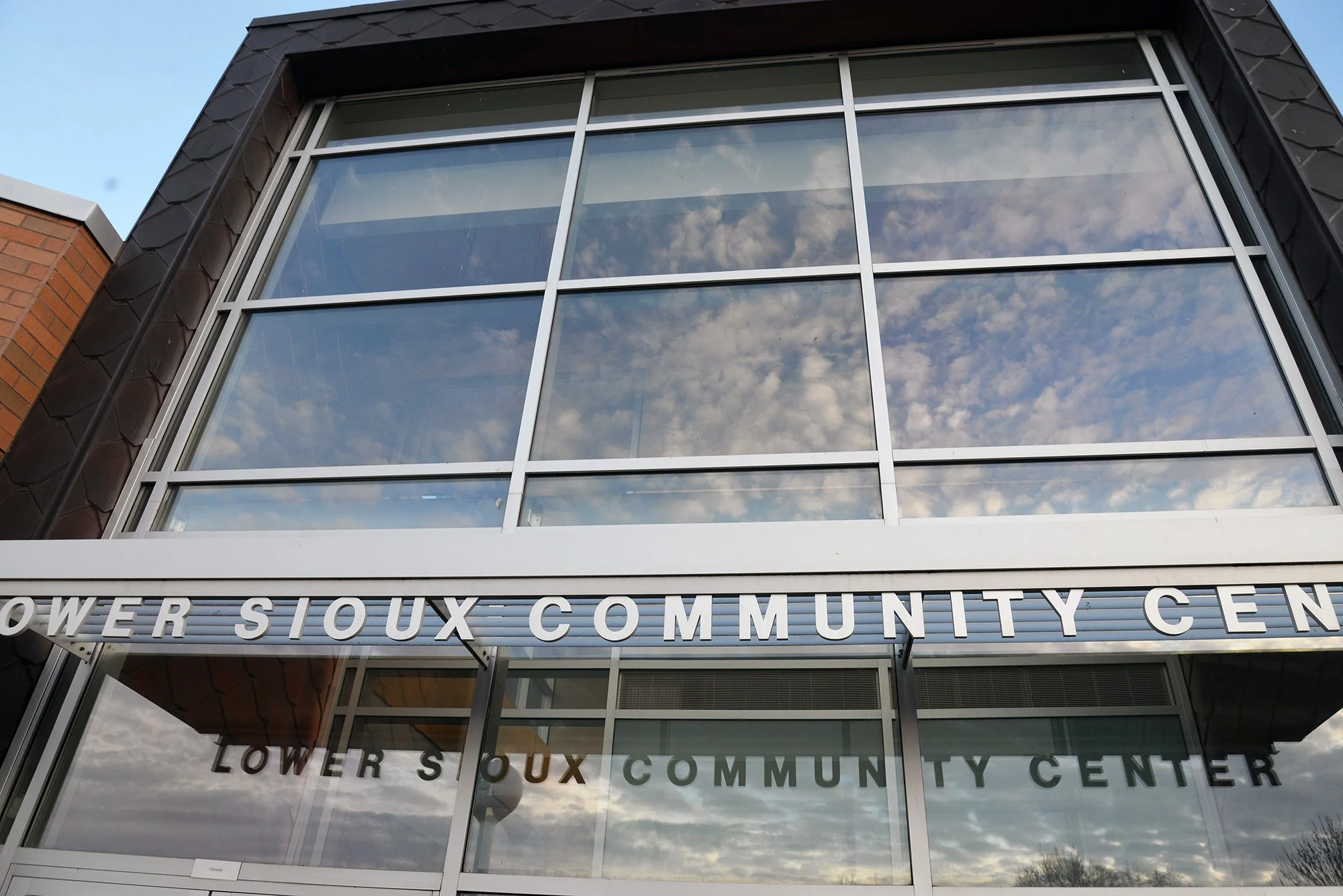
With this data, the Lower Sioux secured the funding they needed to move forward with the center. With major contributions from the Shakopee Mdewakanton Sioux Community and the US Economic Development Administration, they acquired the necessary capital to construct the building in full. BNIM and Pyatt Studios led the design process, while we continued to support community engagement, making sure the facility accurately reflected the values and needs identified in the study. Through a careful combination of community engagement, market analysis, and operational planning, our collaboration helped turn a broad idea into a clear and actionable roadmap for creating a cultural center that could thrive for generations.
The Cansayapi Wicoicage Oti opened in 2022. It serves as a vibrant hub for intergenerational learning, cultural preservation, arts entrepreneurship, and community gatherings — delivering on the community’s vision and mission. By balancing cultural integrity and practical planning, the center continues to honor Dakota history while meeting modern needs for education, art, and community connection.
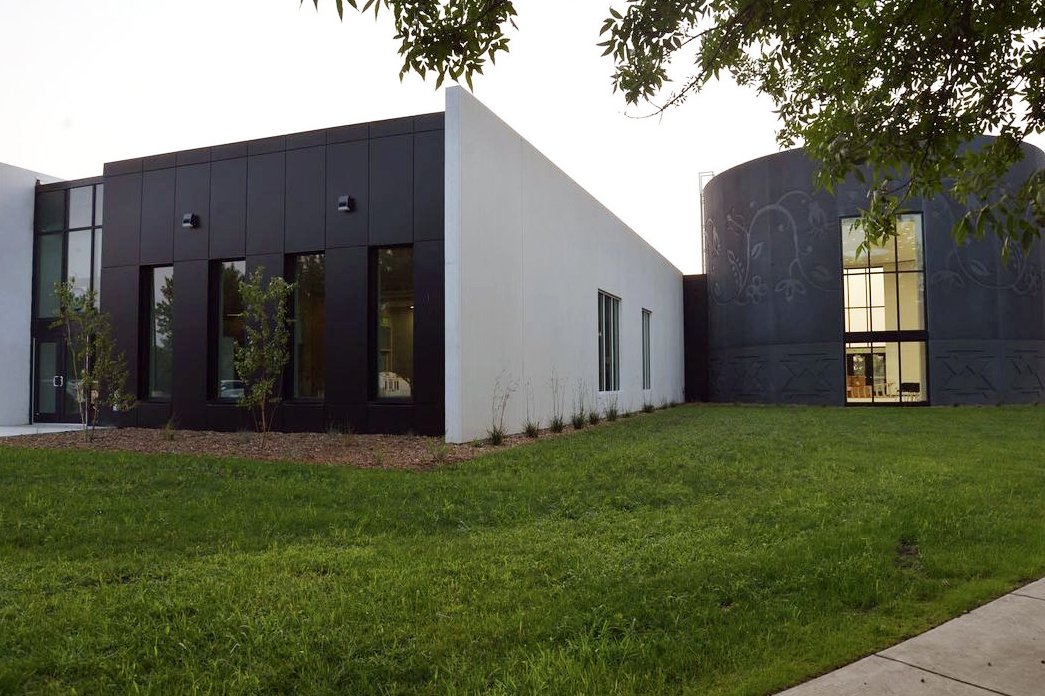
The finished Cansayapi Wicoicage Oti.
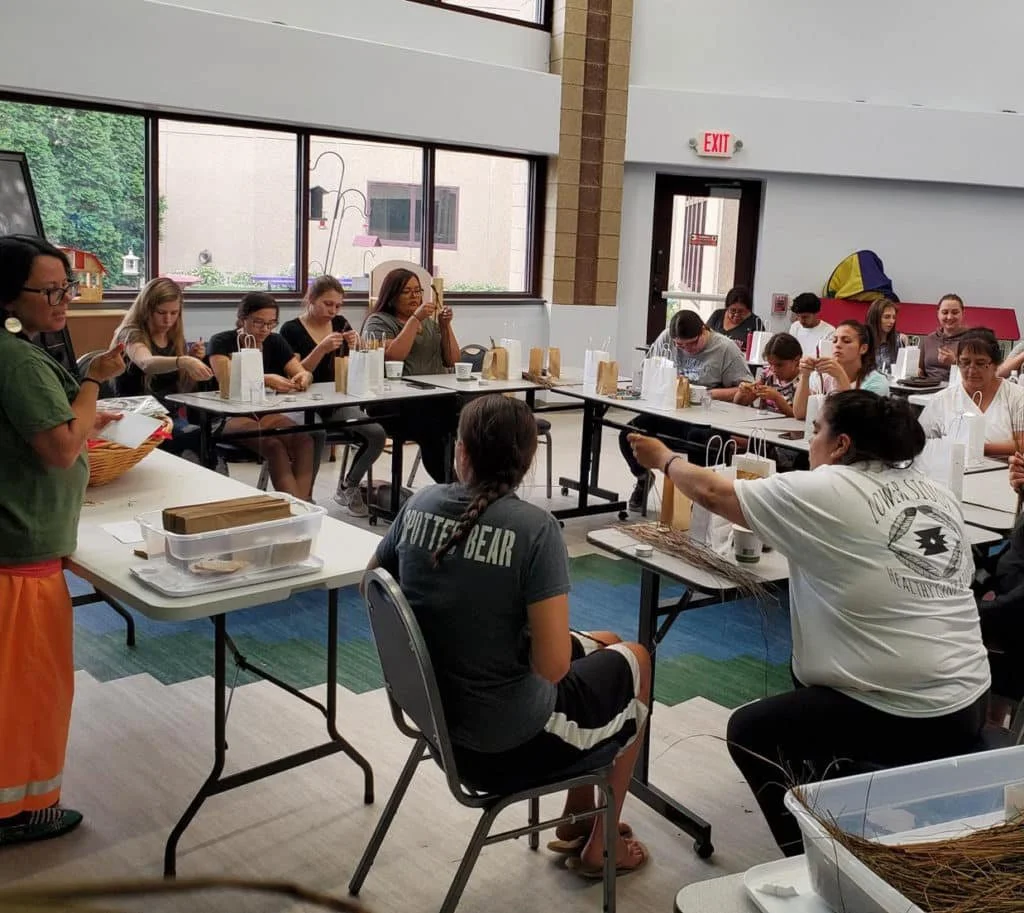
Lower Sioux youth participate in learning activities at the incubator. Photo courtesy of the Lower Sioux Indian Community.
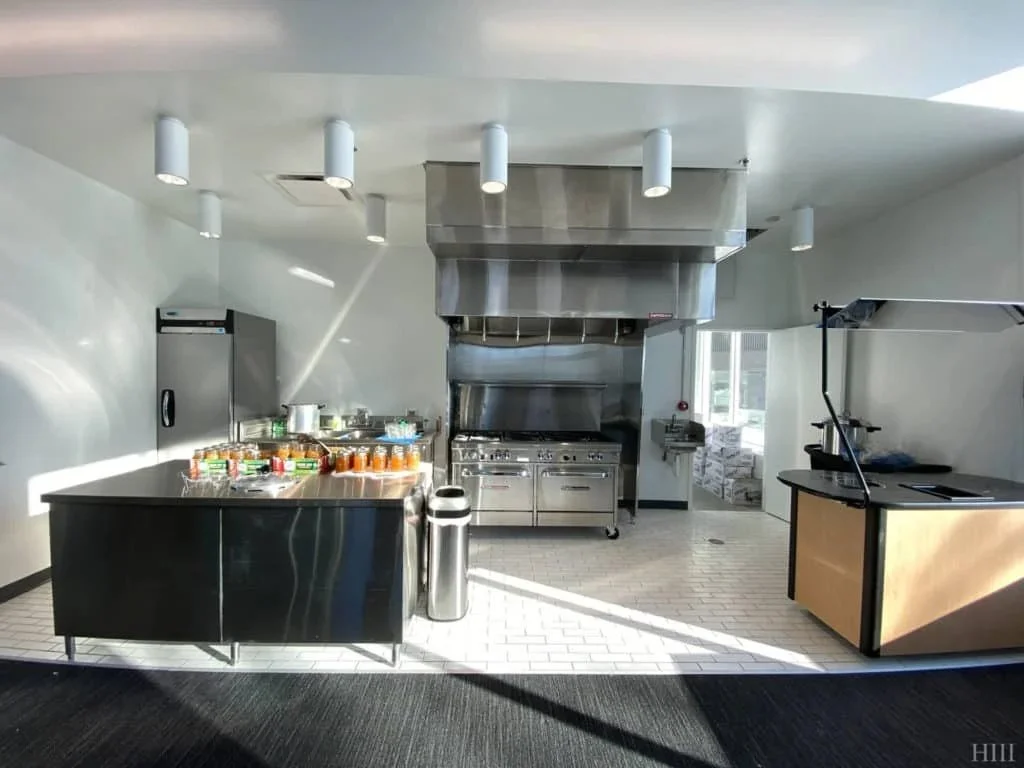
The training kitchen at the incubator. Photo courtesy of the Lower Sioux Indian Community.
Through a careful combination of community engagement, market analysis, and operational planning, our collaboration helped turn a broad idea into a clear and actionable roadmap for creating a cultural center that could thrive for generations.

Andrea Mader
Principal & Strategy Director
Project supervisor, tool design, advisory council engagement, data collection and analysis, literature review, report writing, evaluation plan design