
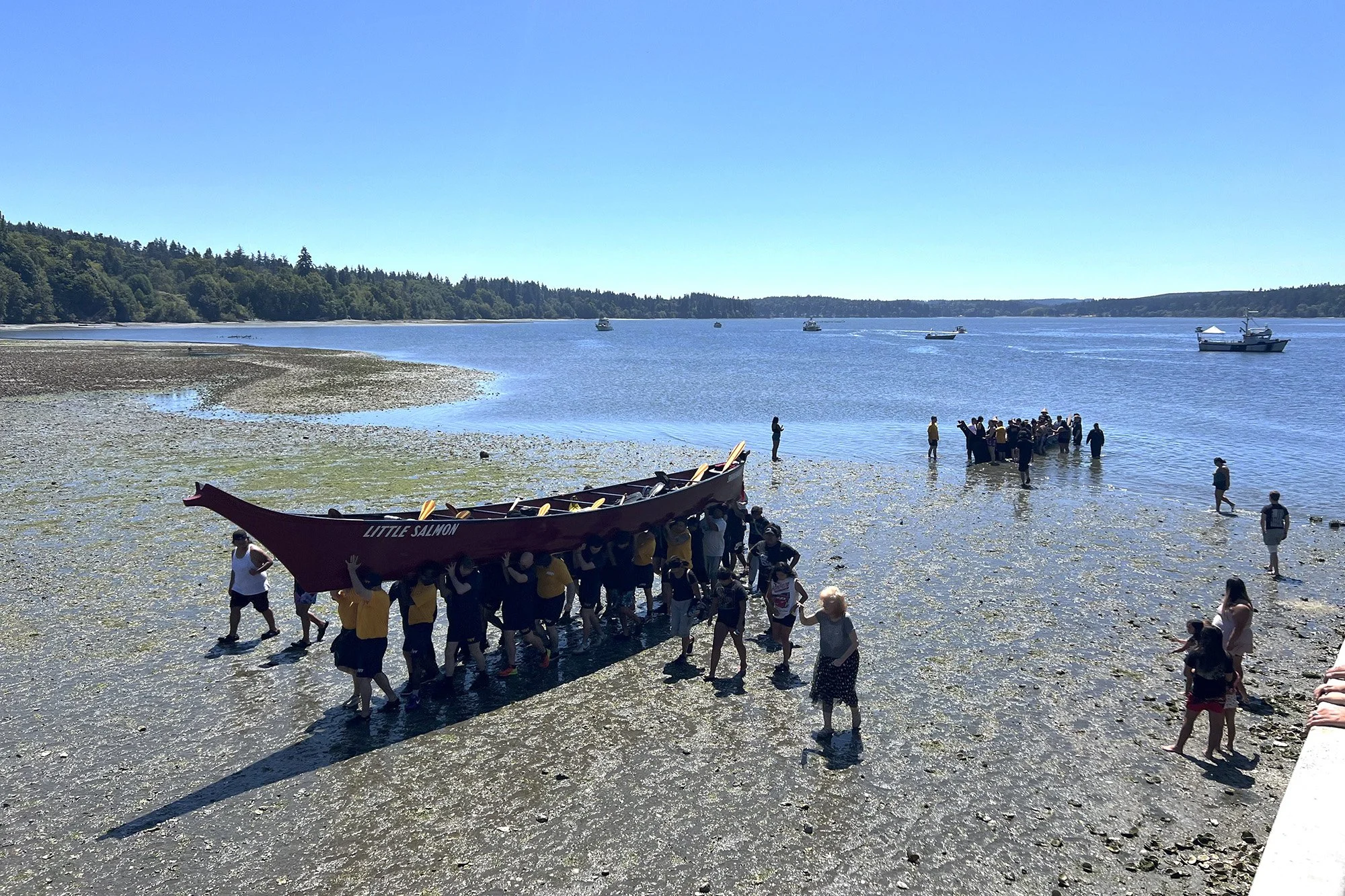
Port Gamble S'Klallam lays the foundation for a healthy housing ecosystem on the Kitsap Peninsula
Partner profile
The Port Gamble S’Klallam Tribe Housing Authority is the tribally designated housing entity for the Port Gamble S’Klallam Tribe in Kingston, Washington. Through rental and homeowner assistance programs, maintenance and repair work, and playing a lead role in the tribe’s long-term planning for housing development, the Housing Authority advances its mission to create safe and affordable housing for all Port Gamble S’Klallam members.
Tribal housing complexities
Kitsap County, home to the Port Gamble S’Klallam Nation, has over 250 miles of some of the most coveted saltwater coastline in the state of Washington. It spans the western edge of Puget Sound, and with its coastal beauty and proximity to Seattle, the tourism economy there is flourishing. As of late 2025, Kitsap County had a median home price of $614,502, which was higher than all but 88 of the 3,143 counties in the US. While the Port Gamble S’Klallam Tribe (PGST) receives some funding for housing and housing assistance through HUD, this assistance is limited and income driven. PGST has also found itself in a period of growth, both in overall population and in the number of tribal members whose income has risen beyond income-based assistance caps. Simultaneously, there remain many members who continue to need low-income assistance, posing numerous challenges for the Housing Authority as it pursues a more robust housing ecosystem.
To serve the needs of its members, both now and in the future, PGST is undertaking a nation-level process of strategic evaluation and planning. Part of this broad effort includes a comprehensive housing plan to guide future housing developments and initiatives. Over the course of a year, Sweet Grass worked closely with Kara Horton, executive director of housing, and the Housing Authority’s board of commissioners to conduct an in-depth needs assessment and develop a 10-year housing plan.
The overarching objectives of the project were to: 1) arrive at an up-to-date and community-driven assessment of the PGST housing ecosystem; 2) identify strategic recommendations toward addressing the community housing needs and desires reflected in the assessment; and 3) lay out a comprehensive strategic plan as a roadmap for enacting community-driven housing recommendations over the next 10+ years.
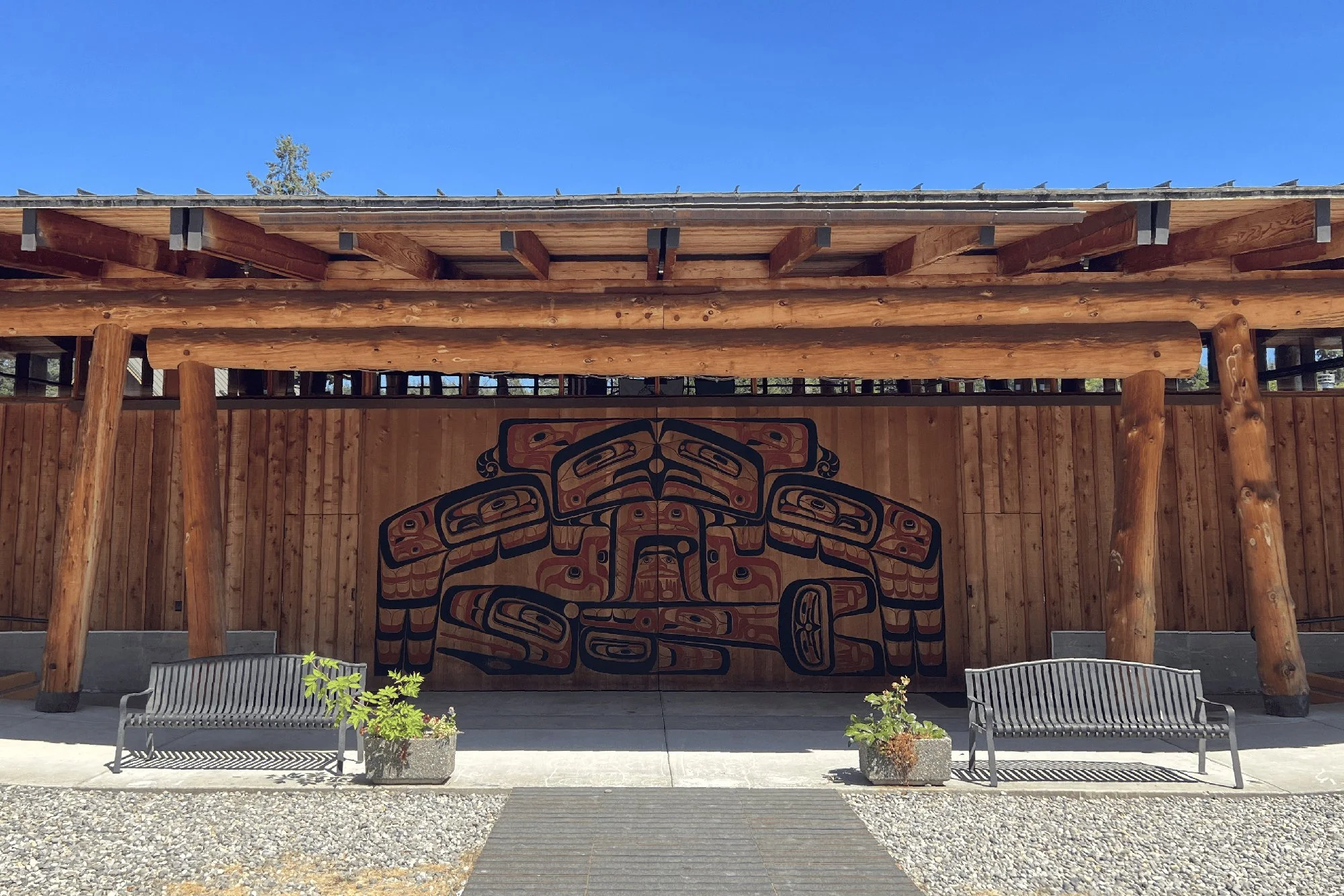
Longhouse at the Port Gamble S’Klallam Tribe House of Knowledge in Little Boston, WA.
We gathered knowledge and information through several methods, including:
Data collection and analysis
Key opinion leader interviews
Comprehensive community housing survey
Community input sessions
Guided tours and informal community engagement
Mapping the path forward
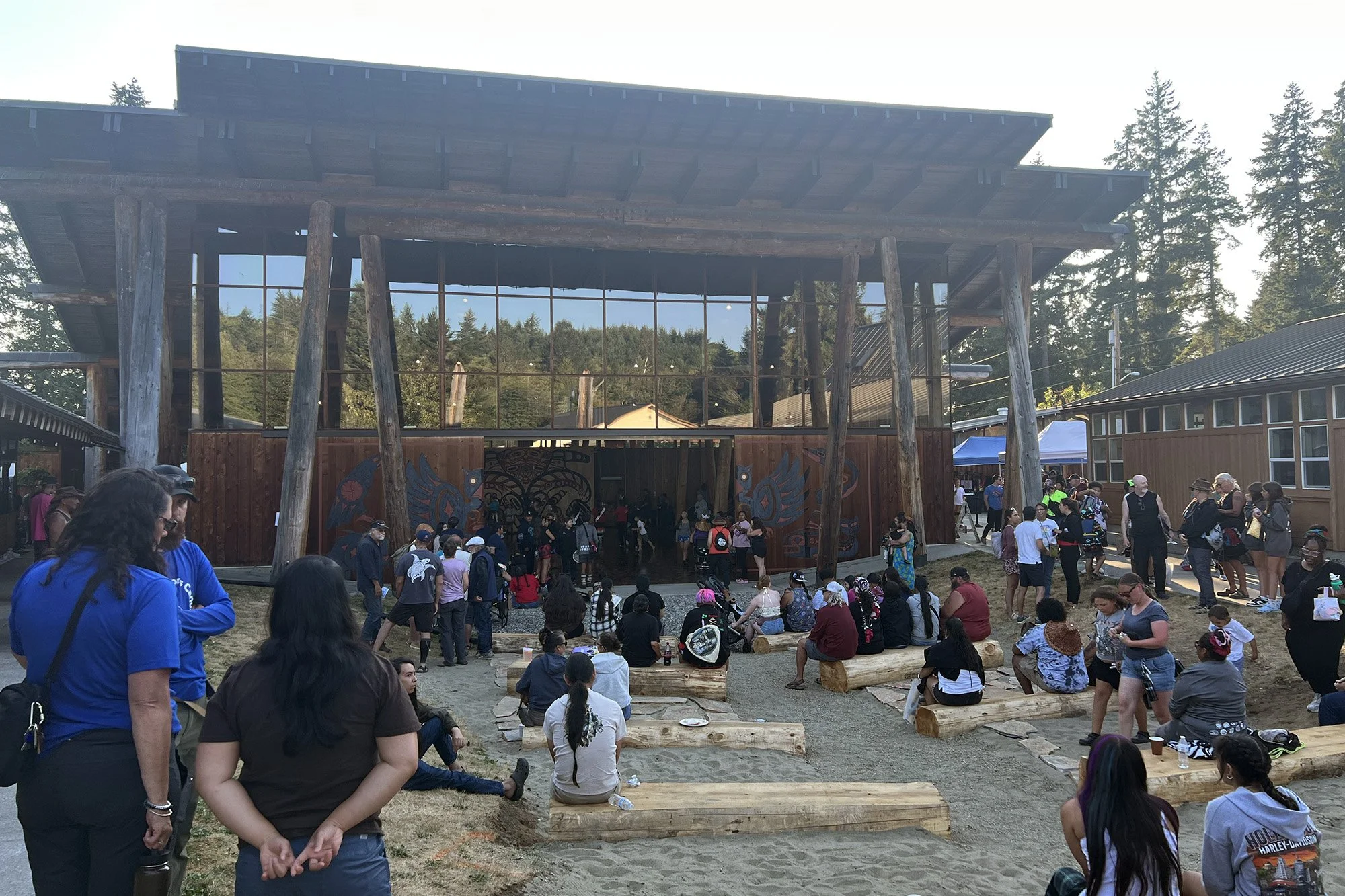
The Port Gamble S’Klallam Tribe is entering an important time. The population is young and growing, and many members who live off the reservation want to return home. To support this next chapter, a strong and healthy housing ecosystem is needed. This includes the homes themselves, as well as the jobs, services, land planning, community spaces, and support systems that make a community a good place to live.
The housing needs assessment shows many strengths across this ecosystem. The recent Warrior Ridge housing development marks the largest housing expansion in PGST history, showcasing an ability to make big things happen. Many tribal members described feeling safe, supported, and culturally grounded in the Little Boston community. People shared that they value the natural environment, the tribe’s sovereignty, and the close connections that come from living near family and fellow Port Gamble S’Klallam members.
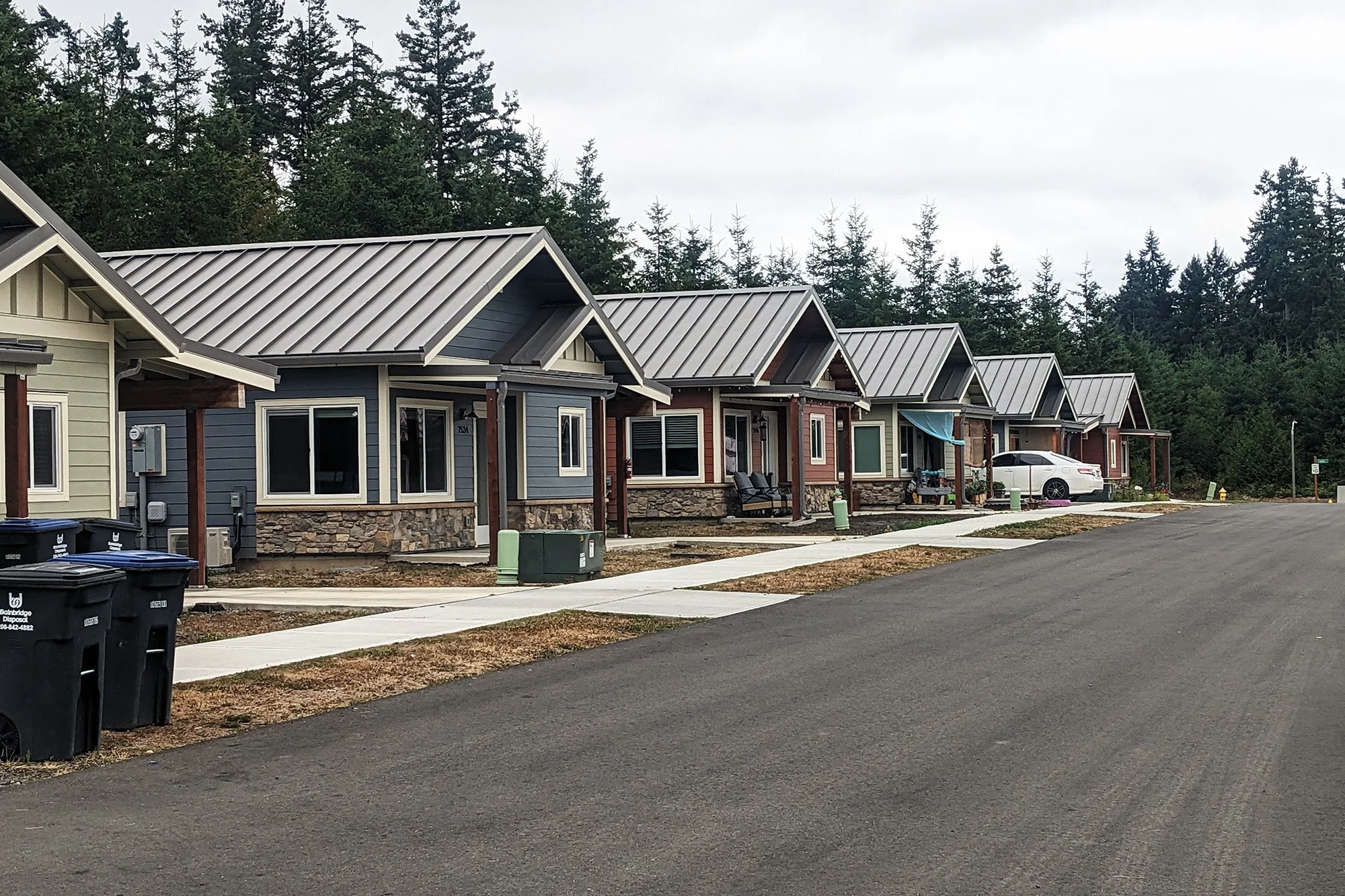
New Port Gamble S’Klallam housing on tribal land near Little Boston, Washington
I want to continue the autonomy we have as a tribe. That’s really good. We need to keep the autonomy, meaning we need to protect our population of our natural resources, the hunters, the fishers. We need to protect those folks.”
S’Klallam elder
“
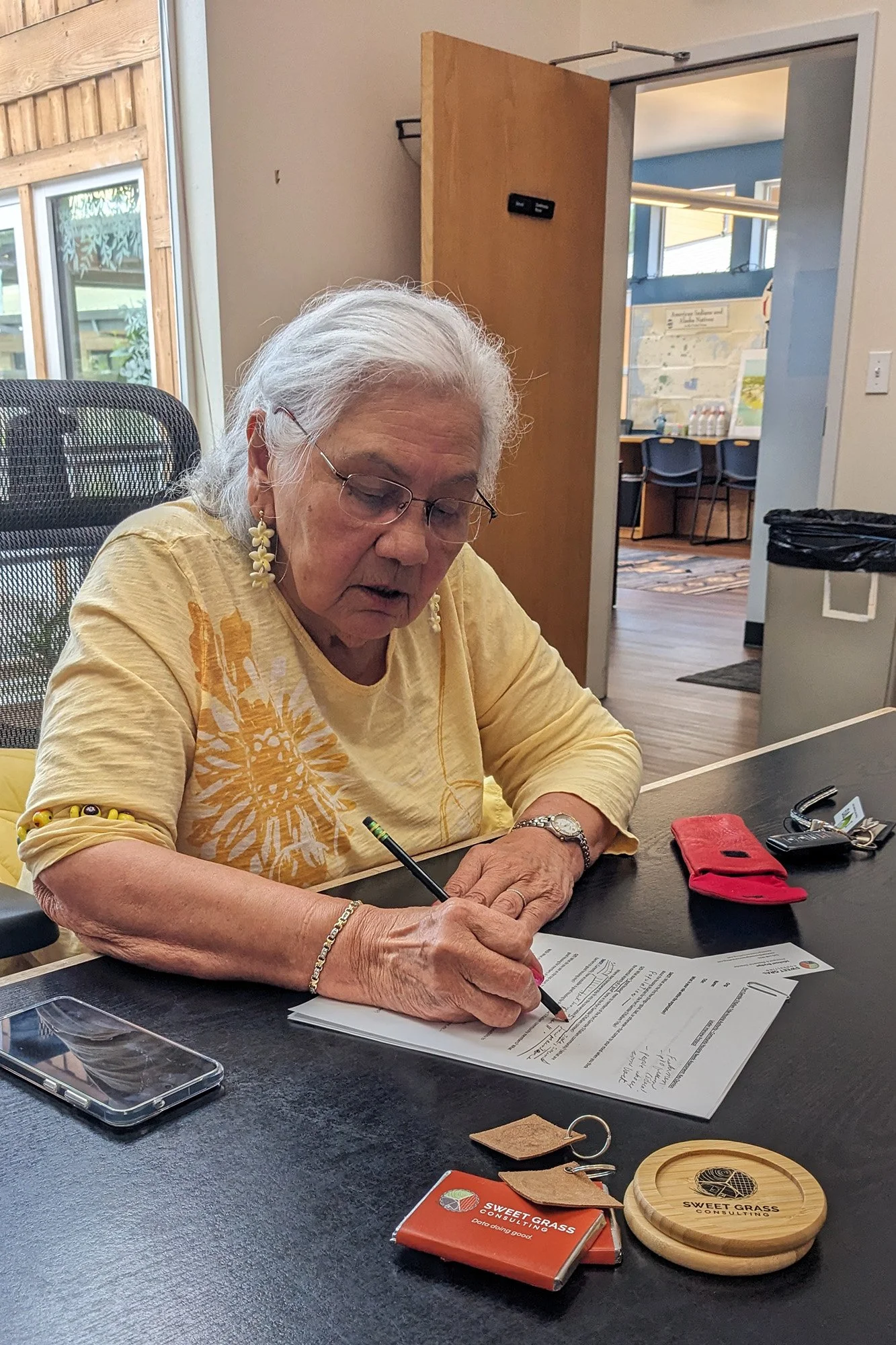
Port Gamble S’Klallam elder filling out the community housing survey.

Traditional longhouse of coast Salish Nations. in Vancouver, Canada.
Through the assessment, PGST members made it clear that the existing housing ecosystem needs to expand and adapt to meet growing demand. Elders and people with disabilities need homes that support aging in place. Members living off the reservation need land and opportunities to return home. Many households want pathways to homeownership, financial education, and stable employment, all of which strengthen long-term housing stability.
According to the voices of PGST housing experts and community members, the future of housing for Port Gamble S’Klallam should follow a highly coordinated and data-driven approach to develop diverse housing opportunities that support safe, enriched lives for as many tribal members as possible. The comprehensive housing needs assessment provides rich insights into the needs and aspirations that inspire this approach, and the coordinated housing strategy document translates these insights into a series of interconnected strategic directions and corresponding action steps.
Some of these strategic directions and action steps are continuations of already-occurring activities, while others reflect new directions and important decision points. All of this work will require coordination across numerous PGST entities, including the housing authority, planning department, lot committee, tribal council, and others. The strategic housing plan that Sweet Grass helped produce provides a clear roadmap for these coordinated efforts, helping ensure that the housing needs of all tribal members can be sustainably met, regardless of income level and life circumstances.

The path forward requires sustained commitment from leadership, staff across departments, and community members working together toward a future where every tribal member who wants to, can call Port Gamble S’Klallam lands home.
Sweet Grass project team & services
-

Max Van Oostenburg
Associate Research Director
Project lead, client communication, research tool design, advisory council facilitation, data collection and analysis, literature review, report writing, presentation of findings
-

Michael Brydge
Principal & Research Director
Client communication, advisory council development, community listening session facilitation, data collection and analysis, literature review, report writing, presentation of findings
-

Andrea Mader
Principal & Strategy Director
Survey data analysis
-

Jodi Wolfe
Senior Designer
Graphic and layout design, data visualization, marketing materials
-

Research
We actively engage in collaborative partnerships to gather stories and insights that lead to strategic decision-making and systems change.
-

Strategy
Through customized strategic support, we make sure planning and processes are mission-aligned and based in stakeholder engagement.
-

Design
We use strategic visuals and messaging to demonstrate each organization's distinct personality and values.