
Case study
Envisioning Laurel Cliff: Preparing the land and pathways of the Monacan Indian Nation
The Monacan’s vision is to make Laurel Cliff a better place for all who live or visit there, for all who want a better economy and environment, and for the children who call this place home.

Virginia

Feasibility study, Community development, Economic development

Sep 2024–Sep 2025
Monacan Indian Nation
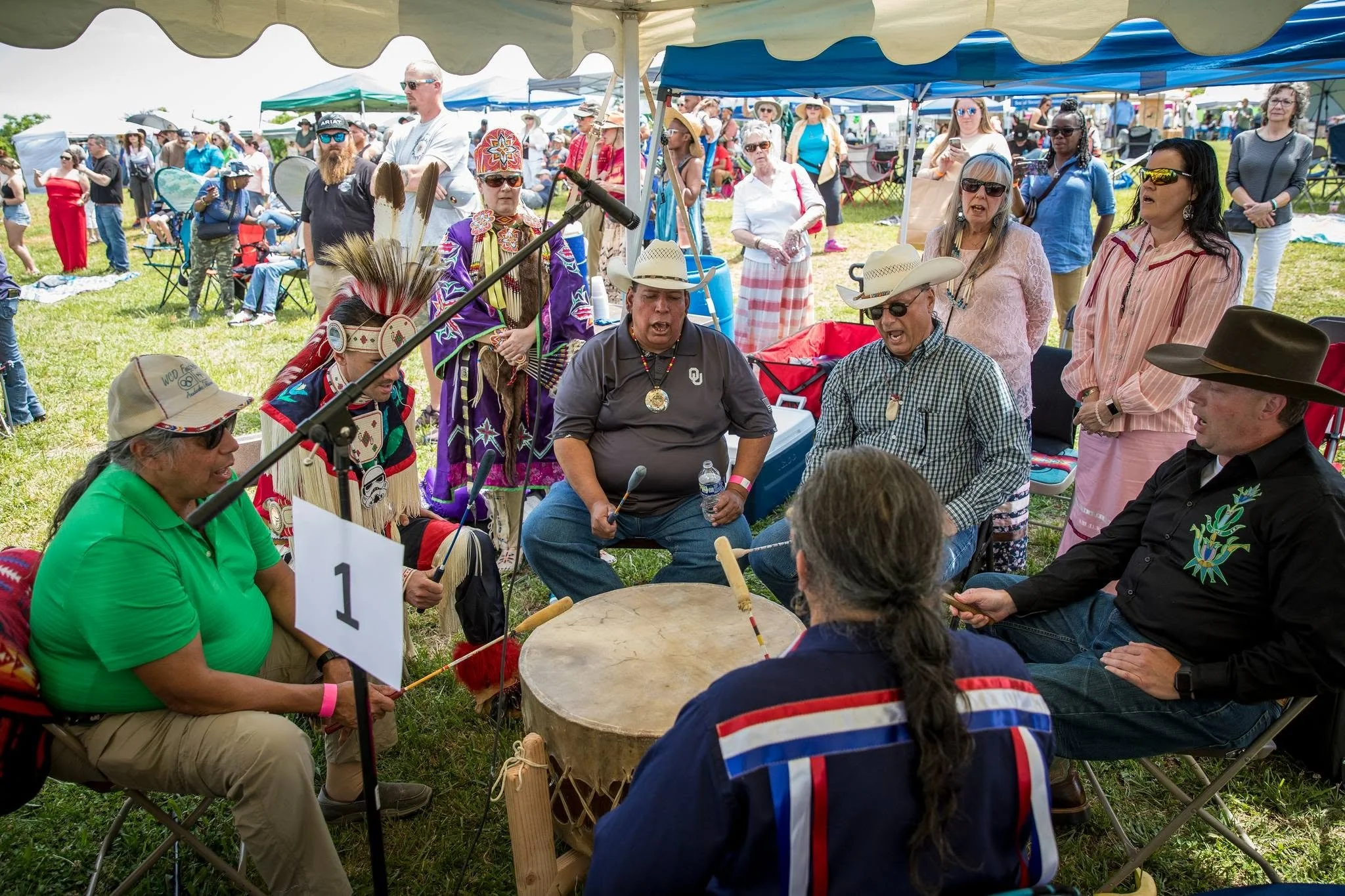
The Monacan Indian Nation is a federally recognized sovereign tribe, headquartered on Bear Mountain in Amherst County. Their ancestral territory includes Virginia west of the fall line of the rivers, sections of southeastern West Virginia, and portions of northern North Carolina. Their mission is to honor, preserve, and uplift the rich heritage, culture, and sovereignty of the Monacan people. Their primary objective is to safeguard the well-being, rights, and prosperity of their tribal community, both present and future.
The Monacan reclaim their ancestral homelands
The land on Bear Mountain is a sacred place and well known to Monacan and non-Natives alike. The church, museum, original schoolhouse, and the creek that flows through the property are part of Monacan collective memory, present experiences, and their vision for the future. Though it is no longer the 500 acres it once was, the Monacan people have built generations of memories on the approximately 200 acres that remain theirs today. With that in mind, and with a desire to strengthen their cultural and economic presence, they set out to purchase acreage of ancestral homelands — their own land back effort.
In 2021, just three years after federal recognition, the Monacan purchased the 1,294 acres of farm and woodlands known as Laurel Cliff. Like those who grew up in the shadow of Tobacco Row Mountain in Amherst County, they rode by this land almost daily. Along with Laurel Cliff, their land on Bear Mountain, and their administrative headquarters in Madison Heights totals 1,496 acres. With much easier access to US Route 29, flatter parcels, and more accessible spaces, the land at Laurel Cliff is allowing the Monacan to carry much more of an economic presence than their sacred space at Bear Mountain.
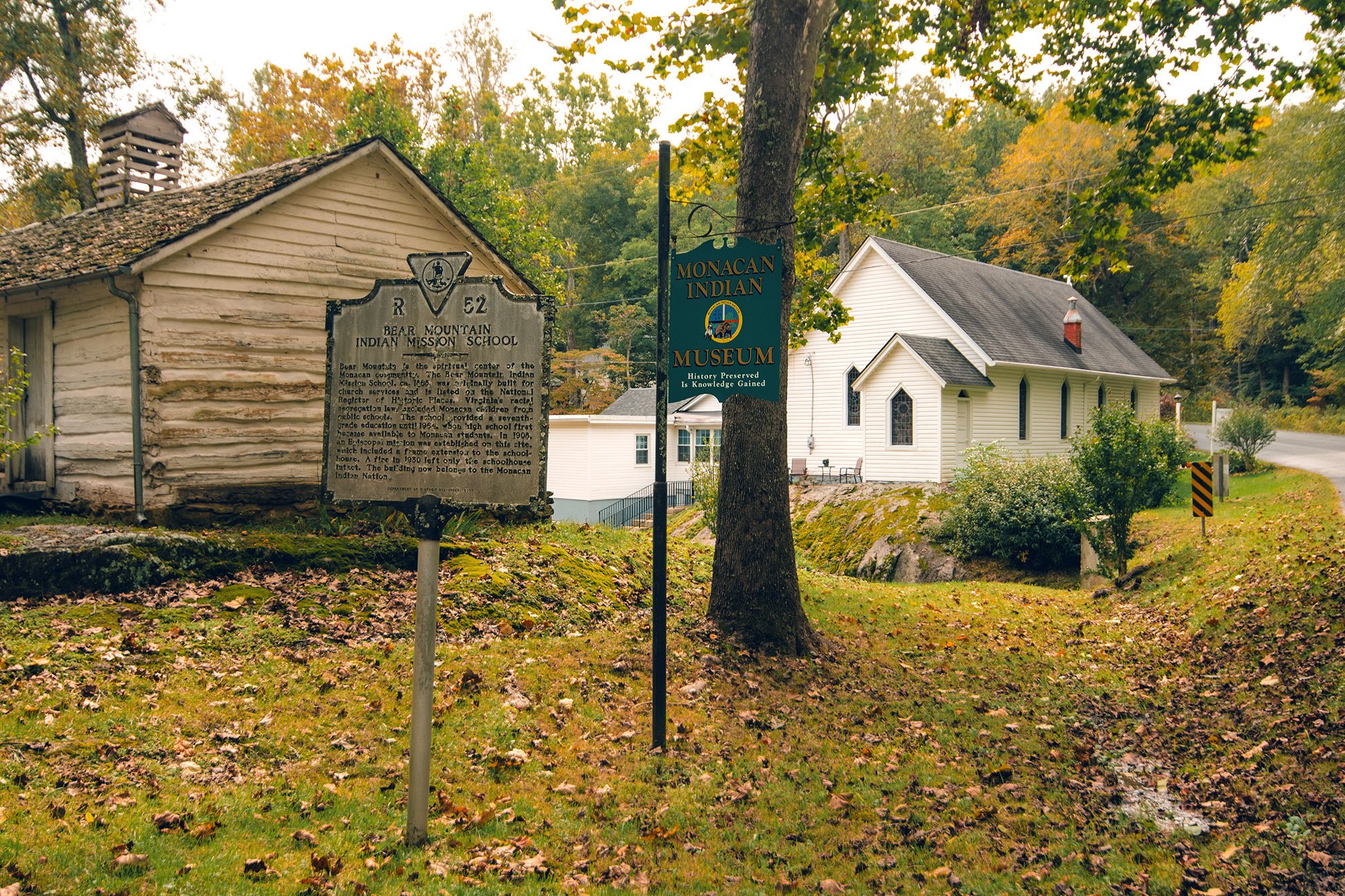
The Monacan school and church at Bear Mountain. Photo courtesy of Brittany Gordon.
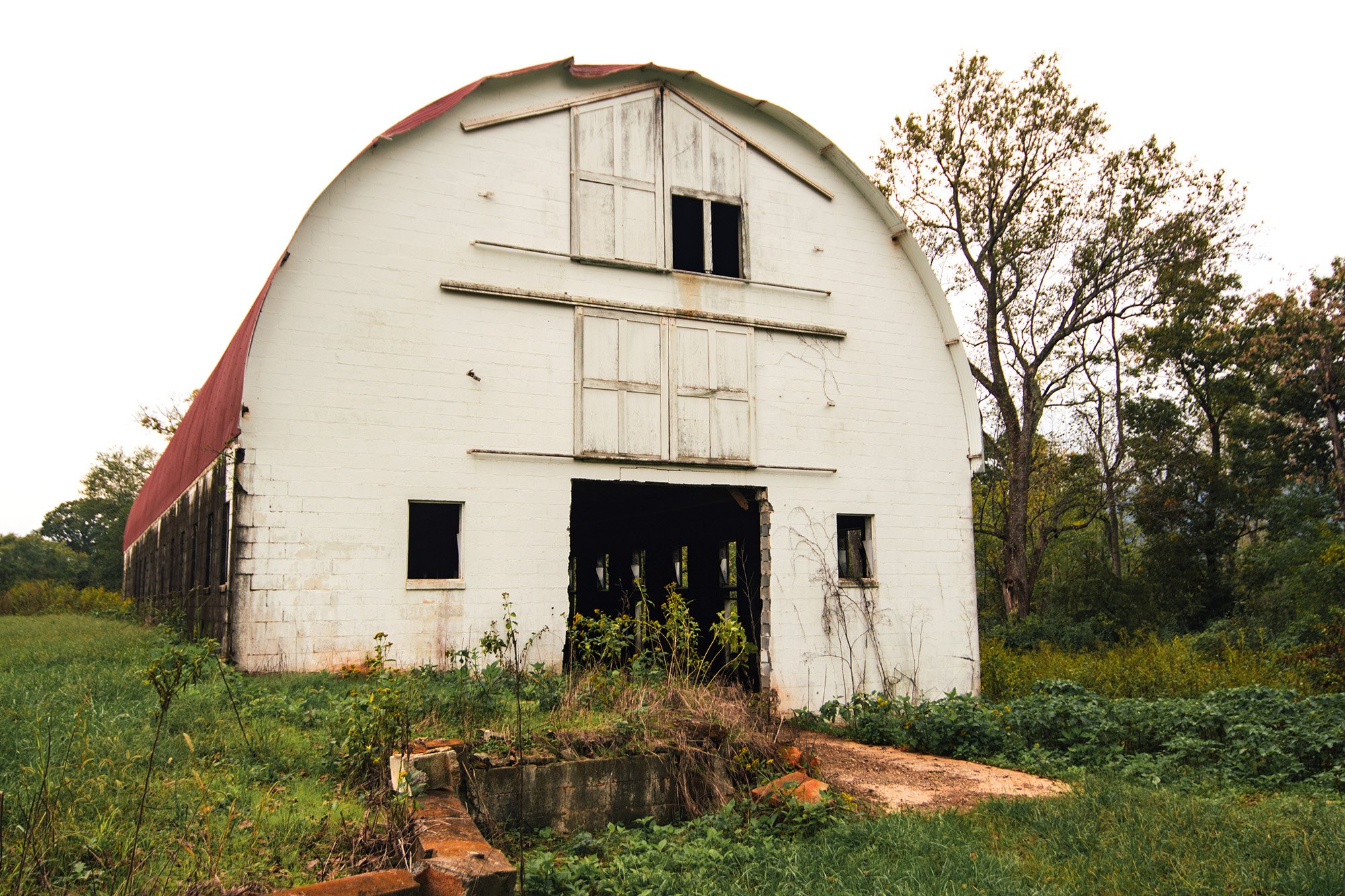
Currently, Laurel Cliff has two rental homes, two barns, various small buildings, a large Colonial-style home from the early 1940s, a small pond, agricultural farmland, grassland, dense hardwood forest, and some of the most gorgeous scenic views in the region. More than anything, the land holds possibilities for dreams of the Monacan Indian Nation, dreams that will positively impact community members and guests of the region.
In 2024, the Monacan Indian Nation was awarded approximately $130,000 from the Economic Development Administration, a bureau within the US Department of Commerce. The funds were used to better understand economic and agricultural development at Laurel Cliff, and this study was part of that effort.
The objectives of the study were to:
Inform land development to support the nation and surrounding communities.
Understand the community’s desires and preferences for housing and business development.
Gather Monacan ideas for economic and visitor-related development.
Provide the data needed to bring in new resources for housing, community, and economic development.
Solidify relationships with allies and build new partnerships.
Provide the Monacan Indian Nation with the information needed to plan for current and future generations.
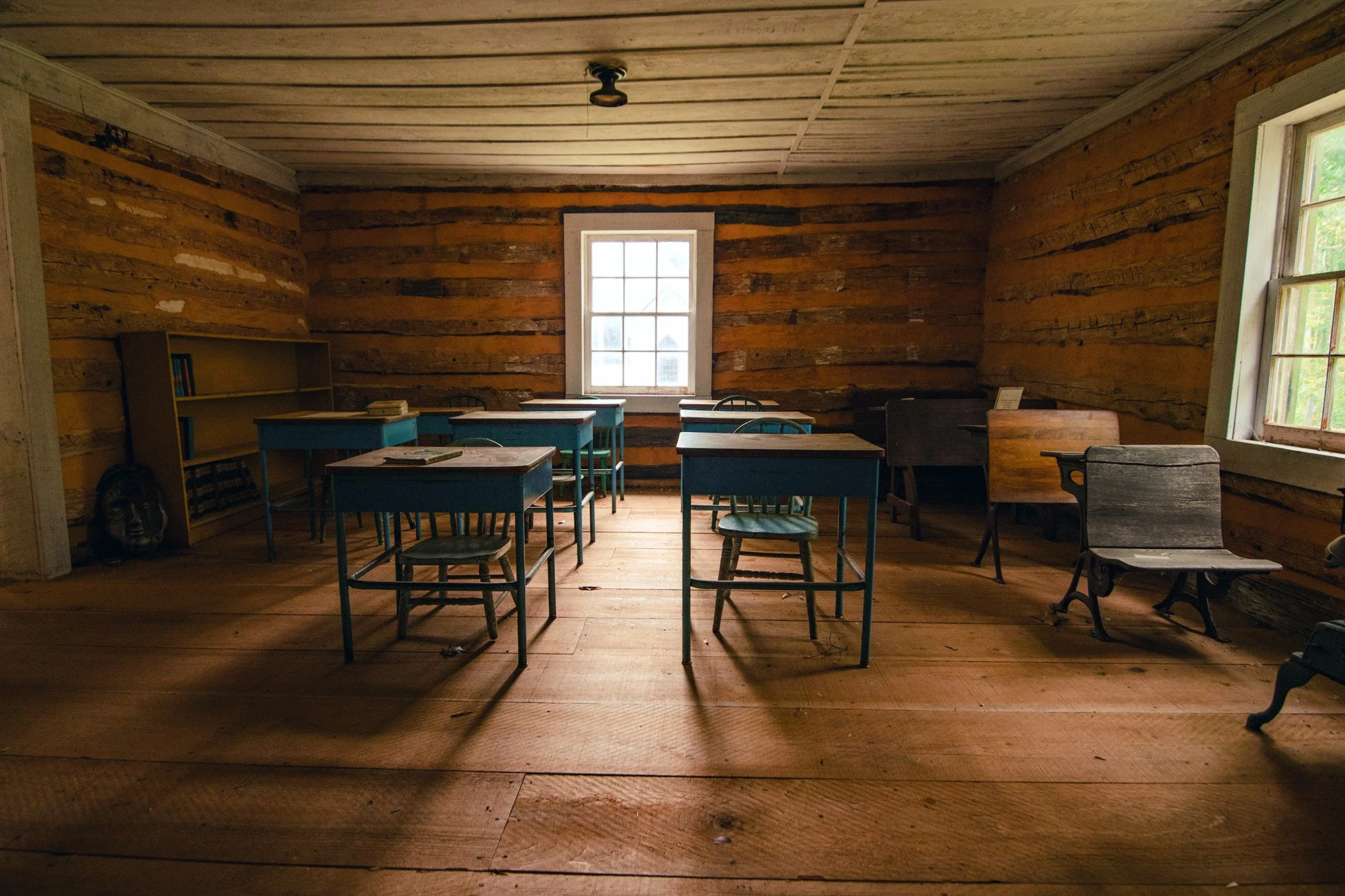
Original school house at Bear Mountain. Elders today remember learning here. Photo courtesy of Brittany Gordon.
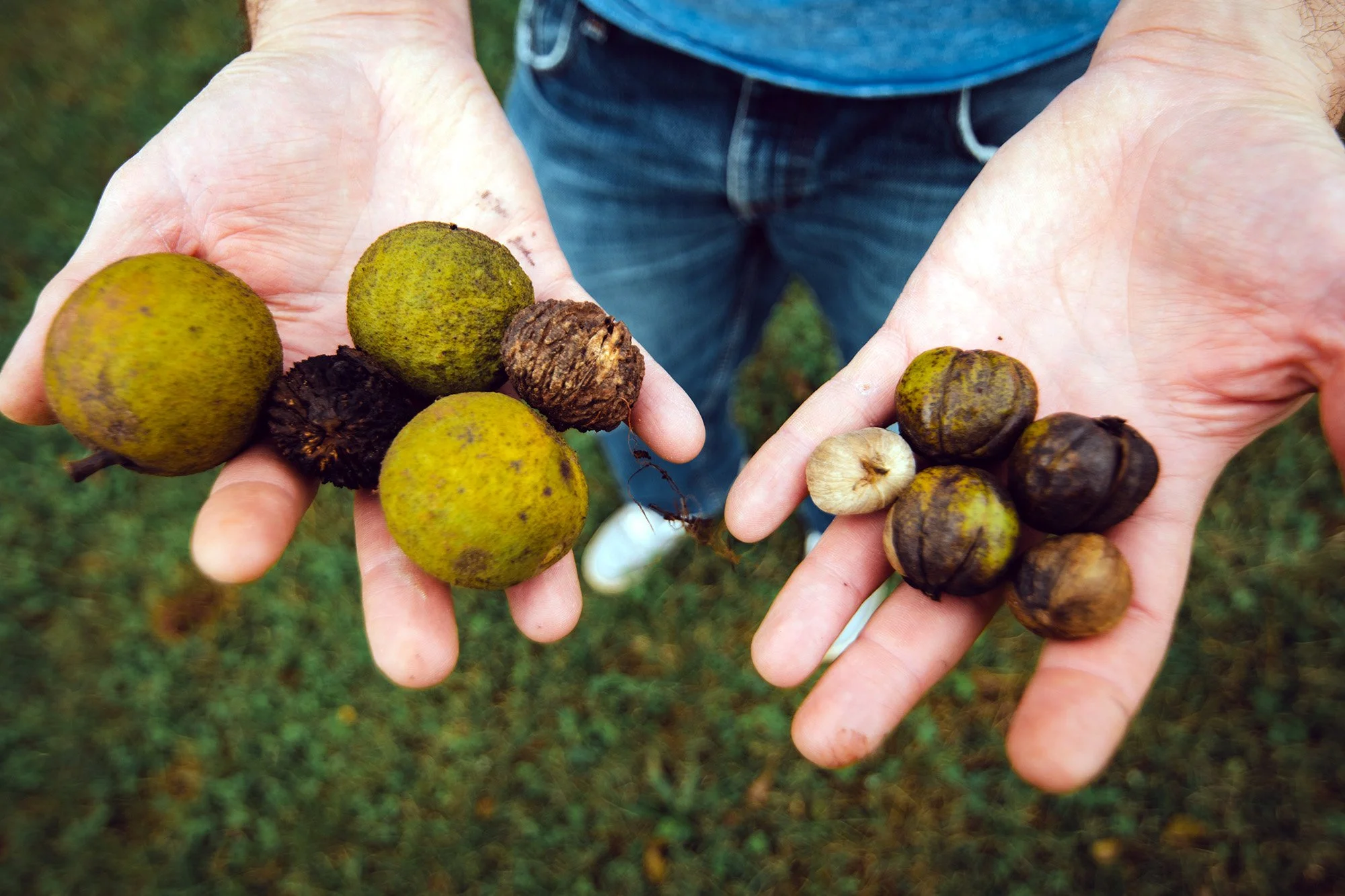
Black walnuts and hickory nuts from nearby the pond at Laurel Cliff. Photo courtesy of Brittany Gordon.
Project funders & partners
-
Economic Development Administration (EDA)
The EDA provides grants to economically distressed communities to generate new employment and stimulate industrial and commercial growth.
-
Kenah Consulting
Kenah Consulting is a women- and minority-owned anthropological consulting firm that supports Tribal Nations in federal recognition, cultural and natural resource preservation, and community and organizational development.
-
Virginia Housing
Formerly the Virginia Housing Development Authority, Virginia Housing is a self-supporting organization founded in 1972 that helps Virginians attain quality affordable housing.
-
Brittany Gordon
Brittany Gordon of Middlebrook, Virginia, conducted all the photography for the report. Her efforts throughout Monacan lands and during the community engagement and visioning processes brought the report to life.
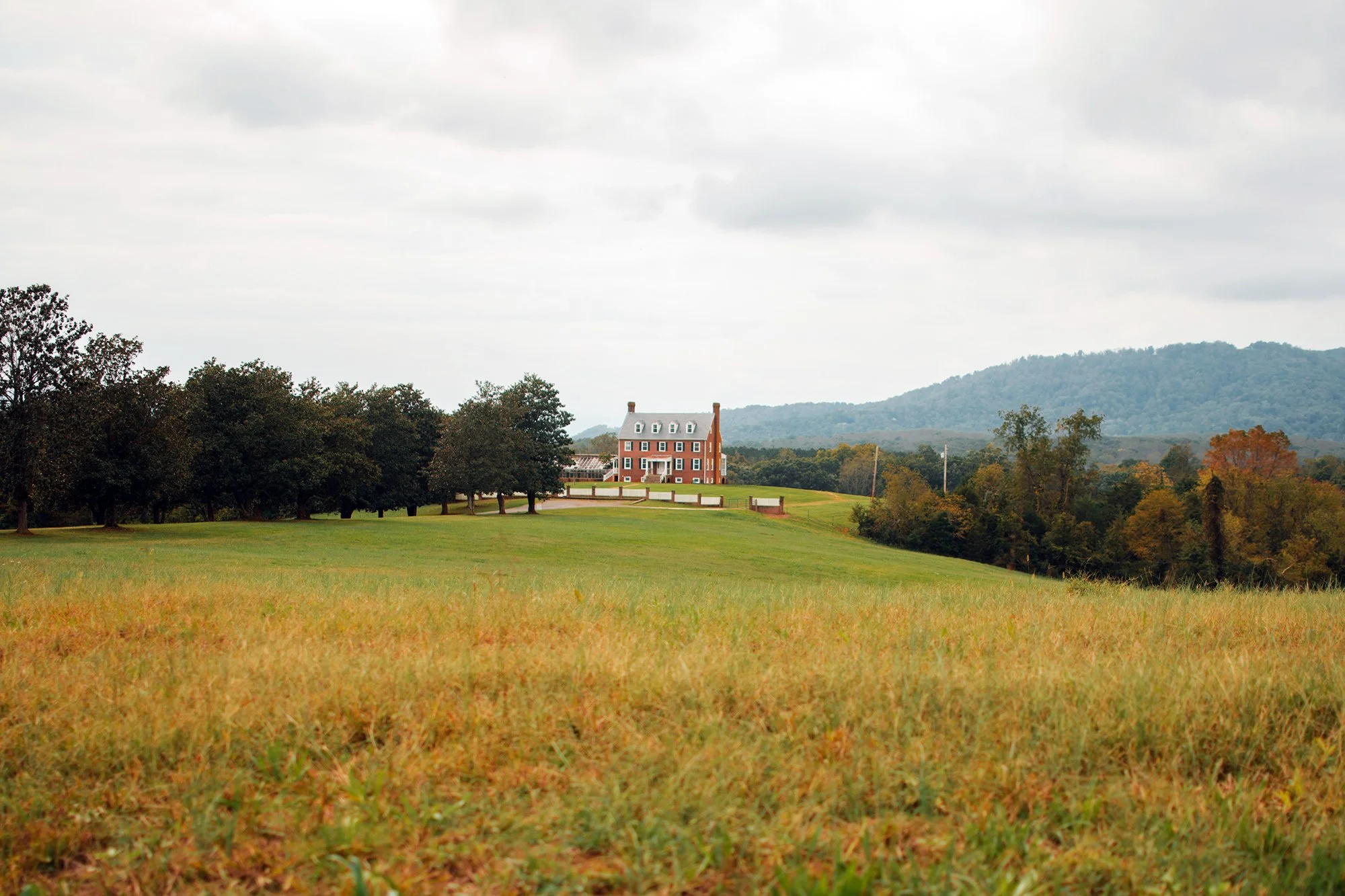
The Big House at Laurel Cliff with the Tobacco Row Mountains. Photo courtesy of Brittany Gordon.

I want our people to hold on to what is good and to continue to dream of the future. We need to remember that we will forever be known by the tracks we leave in this life, so let’s not forget our history and culture.
Chief Diane Shields, Monacan Indian Nation
Advisory council
-
Diane Shields
Chief, Monacan Indian Nation
-
Lou Branham Parrish
Assistant Chief, Monacan Indian Nation
-
Ku’uipo (Kaye) Khabir-Harvey
Finance/Grants Manager, Monacan Indian Nation
-
Linda M. Van Tassell
Financial Controller, Monacan Indian Nation
We actively engaged community members to ensure as many people who wanted to share their opinions, ideas, and at times, their life’s work, could be included in the study. Their voices will help determine the next steps for Laurel Cliff, as well as for other land opportunities, programs, and services for the nation. We gathered their knowledge and information through:
128 completed community surveys
22 key opinion leader interviews with 21 individuals
4 conversations with people who identified as wanting to be a farmers’ market vendor
Discussions with 17 elders at an elder lunch
Discussions with 31 children, teens, and parents at culture class
22 existing reports and documents, 10 books, and federal, state, and local resources
9 case studies from Native Nations and local organizations
5 on-site visits
Results and key findings
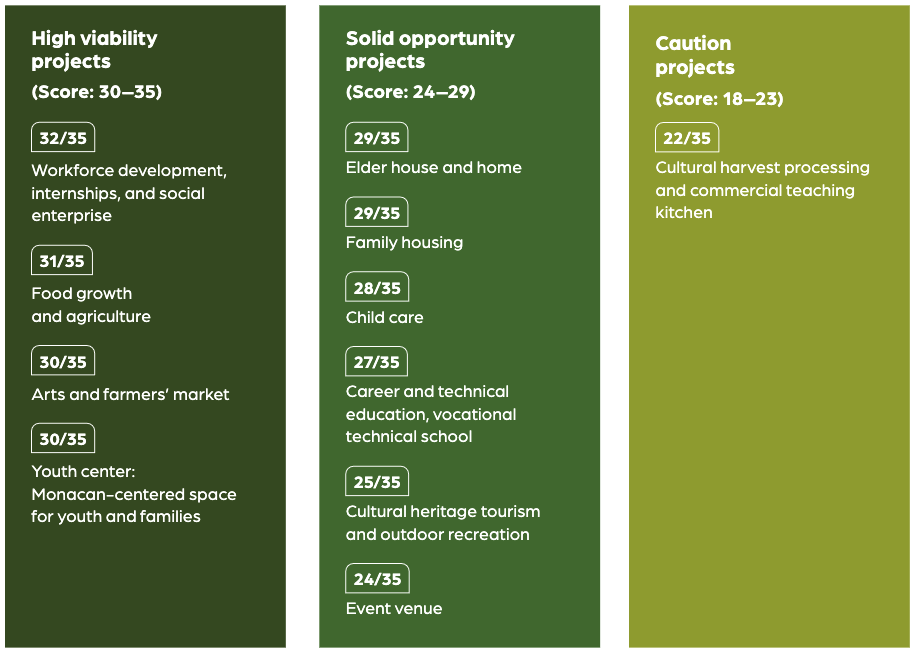
To assess the feasibility of various development options, we developed a scoring matrix based on the nation’s preferences. The goal of the comprehensive, six-metric evaluative framework was to enhance tribal sovereignty and influence the region in a positive way, while staying grounded in the financial realities, strengths, and limitations of the community. With a maximum score of 35, each project was categorized as high viability (30–35), solid opportunity (24–29), or caution (18–23).
Potential development projects were ranked according to evaluative viability framework. This system was used to prioritize and categorize key recommendations.
Key takeaways
Workforce development, food sovereignty, youth engagement, and housing emerged as leading themes across the most viable developments.
Projects with high multigenerational appeal, cultural significance, and environmental alignment scored highest.
Significant infrastructure will be needed to address the community’s greatest priorities.
Low scores do not mean rankings should be considered not viable. Lower ranking efforts should be thought of with more innovative, complementary approaches, such as combining a commercial teaching kitchen with a youth center.
Community participants were also asked about their top priorities for development within the Monacan Indian Nation, and five key development priorities emerged:
Single-family and multifamily housing (18.6%)
Sustainable agribusiness like beekeeping for Monacan-branded honey, bee products, and U-pick orchards (17.4%)
Community/youth recreation center (16.9%)
Farmers’ market (15.1%)
Living history exhibit (8.7%)
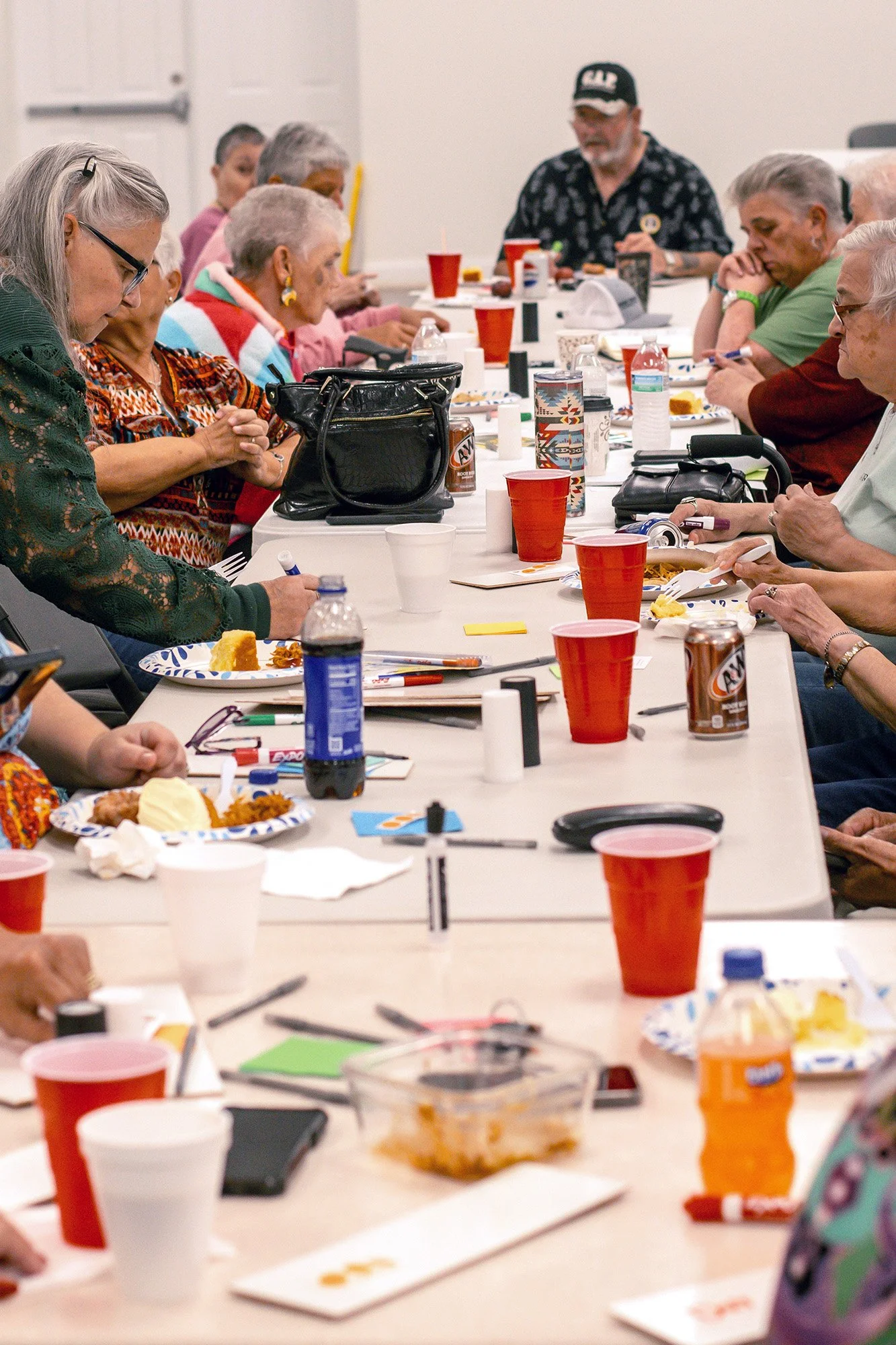
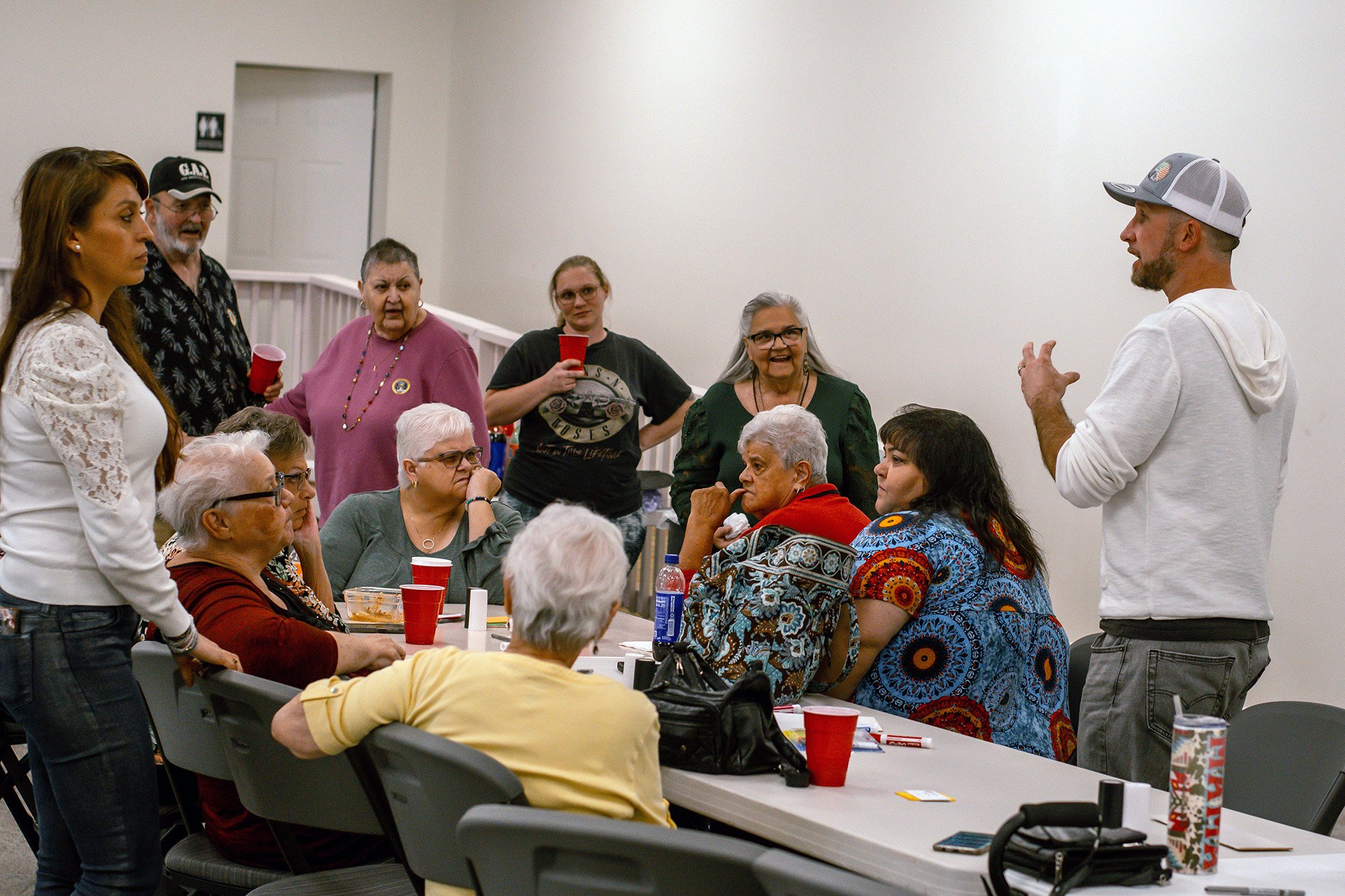
Monacan elders discuss what they know of the land and what they hope their community can do to continue Monacan lifeways, support families, and strengthen the economy with their land at Laurel Cliff. Photo courtesy of Brittany Gordon.
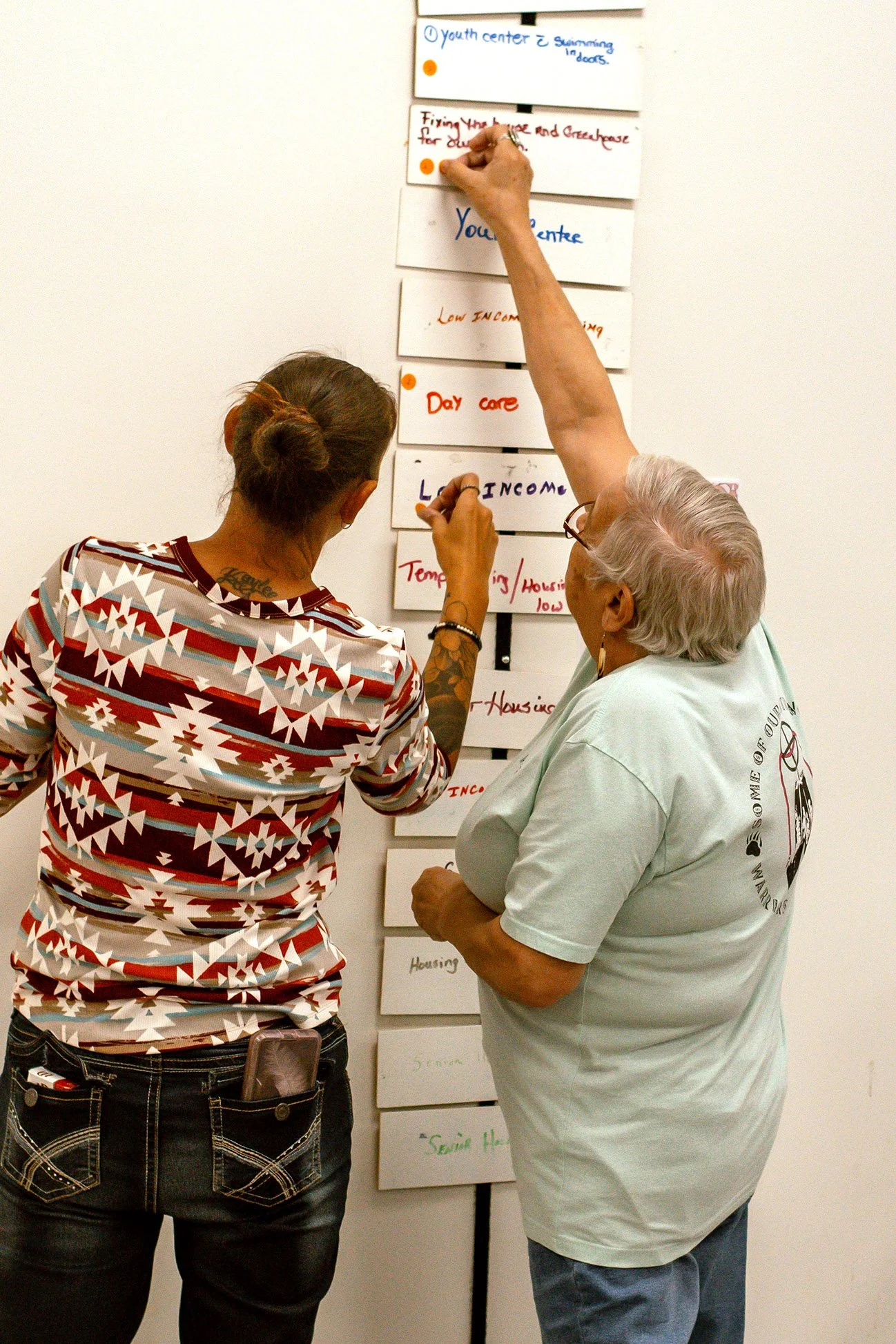
Participants rank their favorite development options. Photo courtesy of Brittany Gordon.
Recommendations
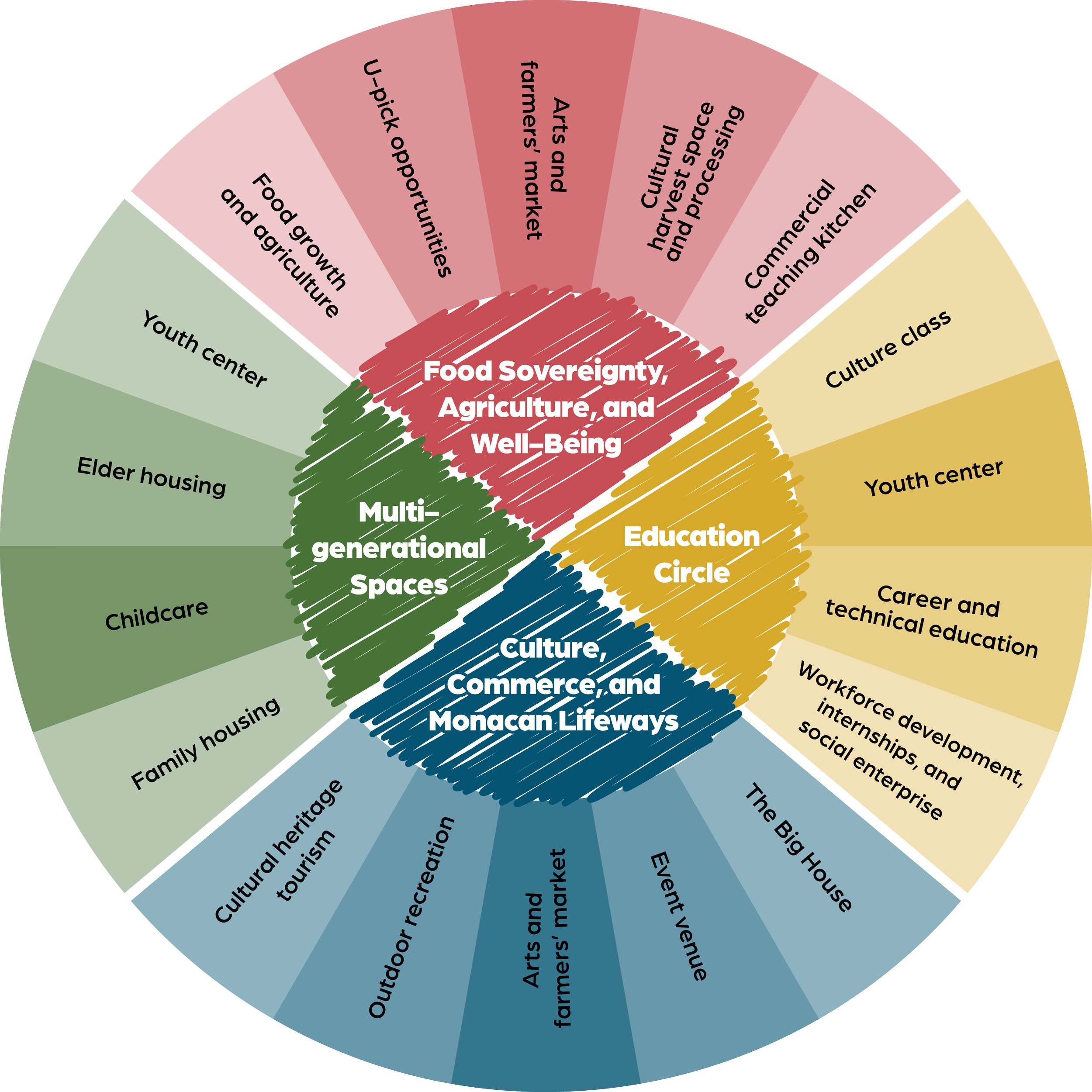
Throughout the project, we asked questions, listened to individuals, read existing plans and ideas, and incorporated the successes of other Native Nations. Through these conversations and analyses, our recommendations spanned four interconnected themes:
Food sovereignty, agriculture, and well-being
Multigenerational spaces
Culture, commerce, and Monacan lifeways
Education
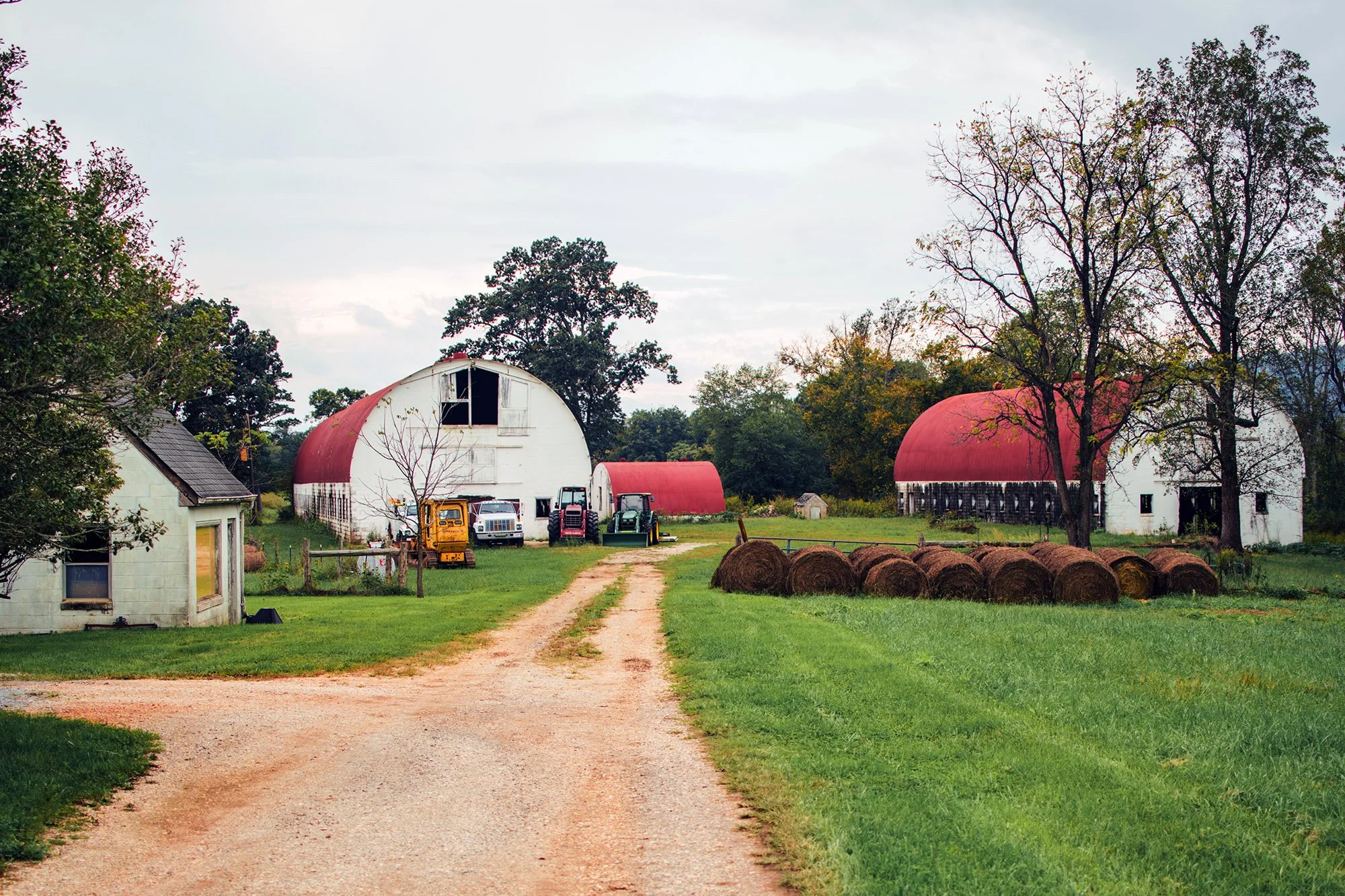
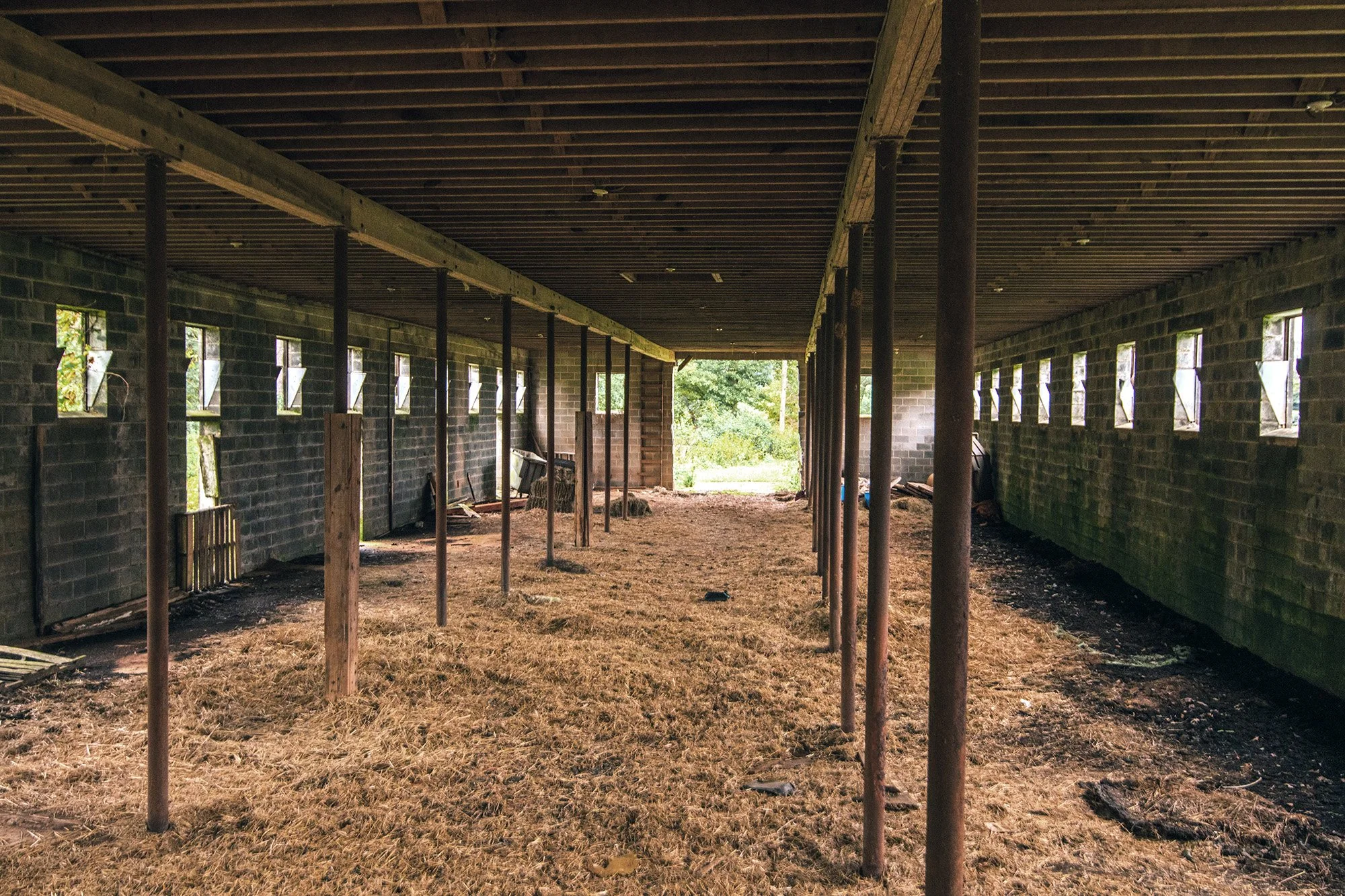
Existing barns at Laurel Cliff. Photo courtesy of Brittany Gordon.
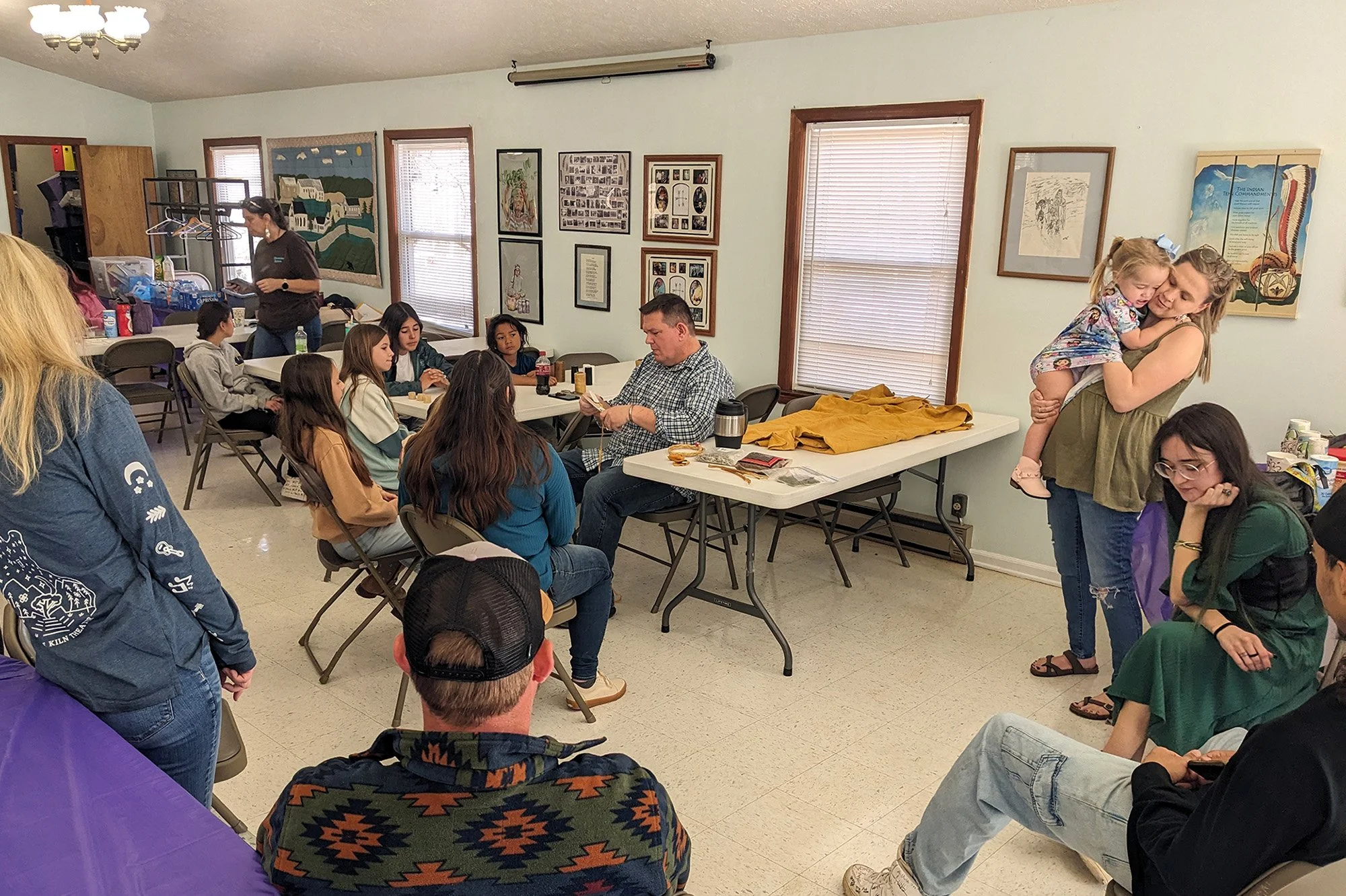
Matt Latimer of the Monacan Indian Nation teaches the significance of a medicine bag while youth and parents learn to make their own. The visit was used to gain feedback on the importance of a youth center at Laurel Cliff.
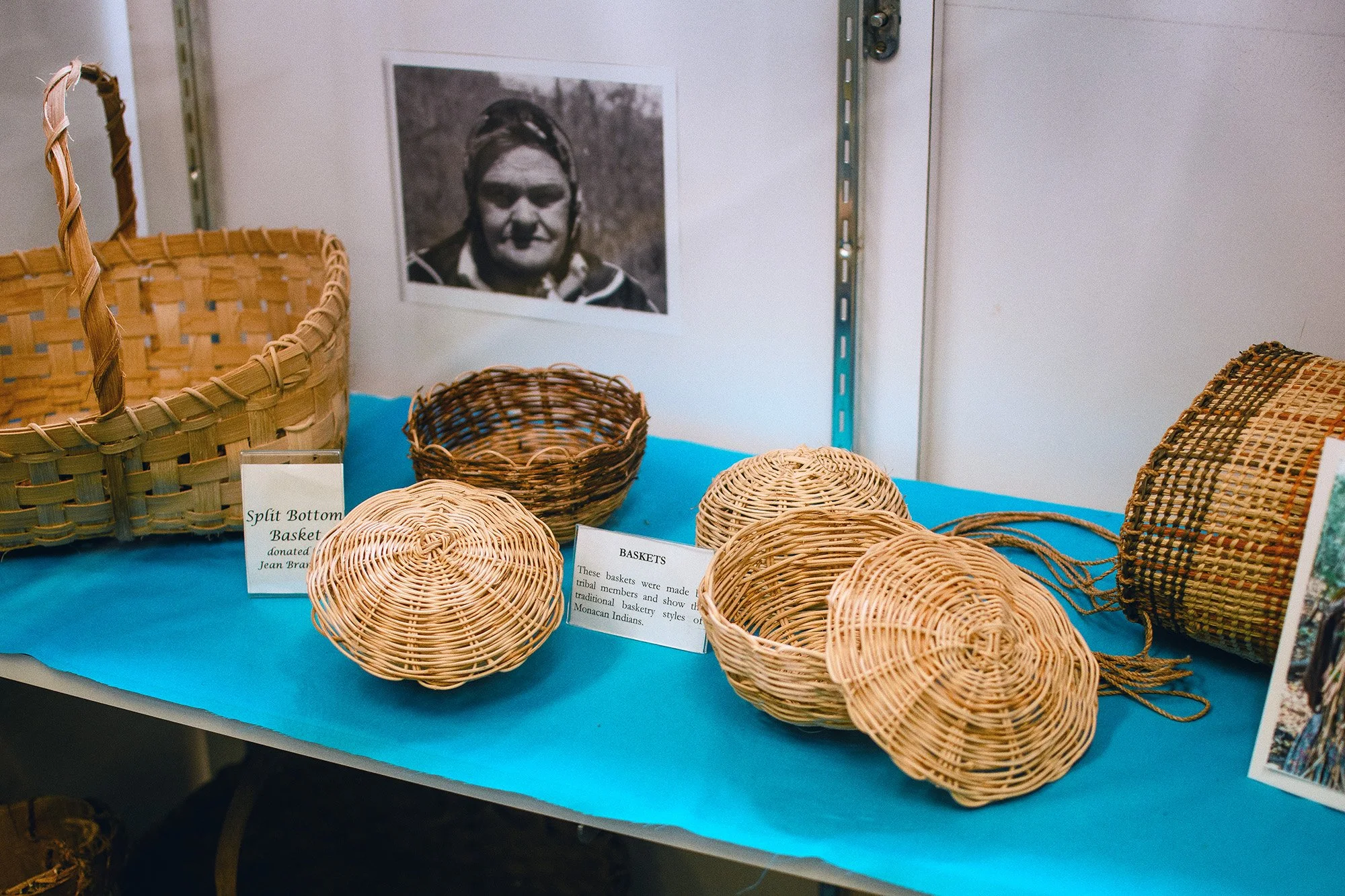
Baskets and basket maker at the Monacan Indian Nation Museum at Bear Mountain.
Possibilities for the future
This entire study, and the many years leading up to it, revealed opportunities for the Monacan people and the surrounding region. Envisioning Laurel Cliff focuses on opportunities that interweave food sovereignty, multigenerational spaces, Monacan lifeways, and education. In this way, the Monacan vision of economic development is comprehensive, connected through various pathways in their lives and the lives of those around them.
Comprehensive development at Laurel Cliff is possible. This study allowed us to properly assess the feasibility of numerous economic development options on Monacan land. A holistic approach that considers all its interwoven elements increases the likelihood that new development would create a sense of belonging, a call to purpose, safe spaces, and meaningful careers for the Monacan people.
Monacan relatives who started a life on Bear Mountain did so, in part, by utilizing the richness of the land. They cultivated the land and persevered in the face of adversity, sowing seeds of generosity along the way. At Laurel Cliff they can teach the next generation, create jobs, and develop consistent income streams from their land. Although economic development activities are still in the early stages, the Monacan are uniquely poised to use agriculture, food-related retail, agritourism, cultural heritage tourism, outdoor recreation, and event hosting for their community members to learn, grow, develop, and raise families.
Less than a year since the study was finalized, the findings are already being used to support Monacan agriculture and food market efforts, the remodeling and repurposing of the Big House (event venue), the development of a housing plan, and funding for housing and energy.
The Monacan’s vision is to make this area a better place for all who live or visit Laurel Cliff, for all who want a better economy and environment, and for the children who call this place home.
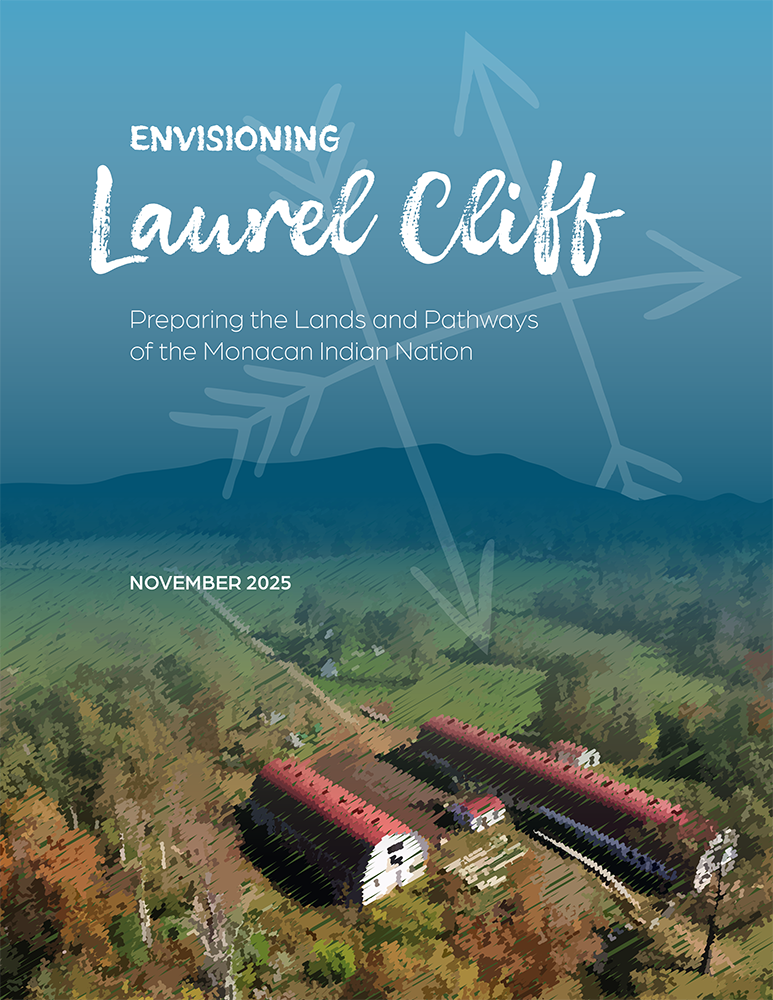
Envisioning Laurel Cliff
A study assessing the viability of economic development of Laurel Cliff
Project team
-

Michael Brydge
Principal & Research Director
Project supervisor, coordination, tool design, on-site visits and communication, data collection, and lead report writer
-

Max Van Oostenburg
Associate Research Director
Qualitative data analysis, secondary research, existing reports, financials, and economic multiplier effect
-

Mairi Creedon
Associate Research Director
Data analysis, literature review, and report writing
-

Jackie Carter
Associate Research Director
Community survey analysis and report writing
-

Jordan Greene
Associate Strategy Director
Matrix score card development and strategic assessment of feasibility
-

Jodi Wolfe
Senior Graphic Designer
Graphic and layout design, creative direction, and data visualization
-

Nat Bauer
Senior Graphic Designer
Tables, charts, graphs, and numerical representation