
Case study

Montana

Food study, Agriculture & food

Jun 2025–Sep 2026
Northern Cheyenne Nation: Local food systems study
Traditional food practices continue to be part of daily life for the Northern Cheyenne, even as the food system they navigate has changed.
People’s Partner for Community Development
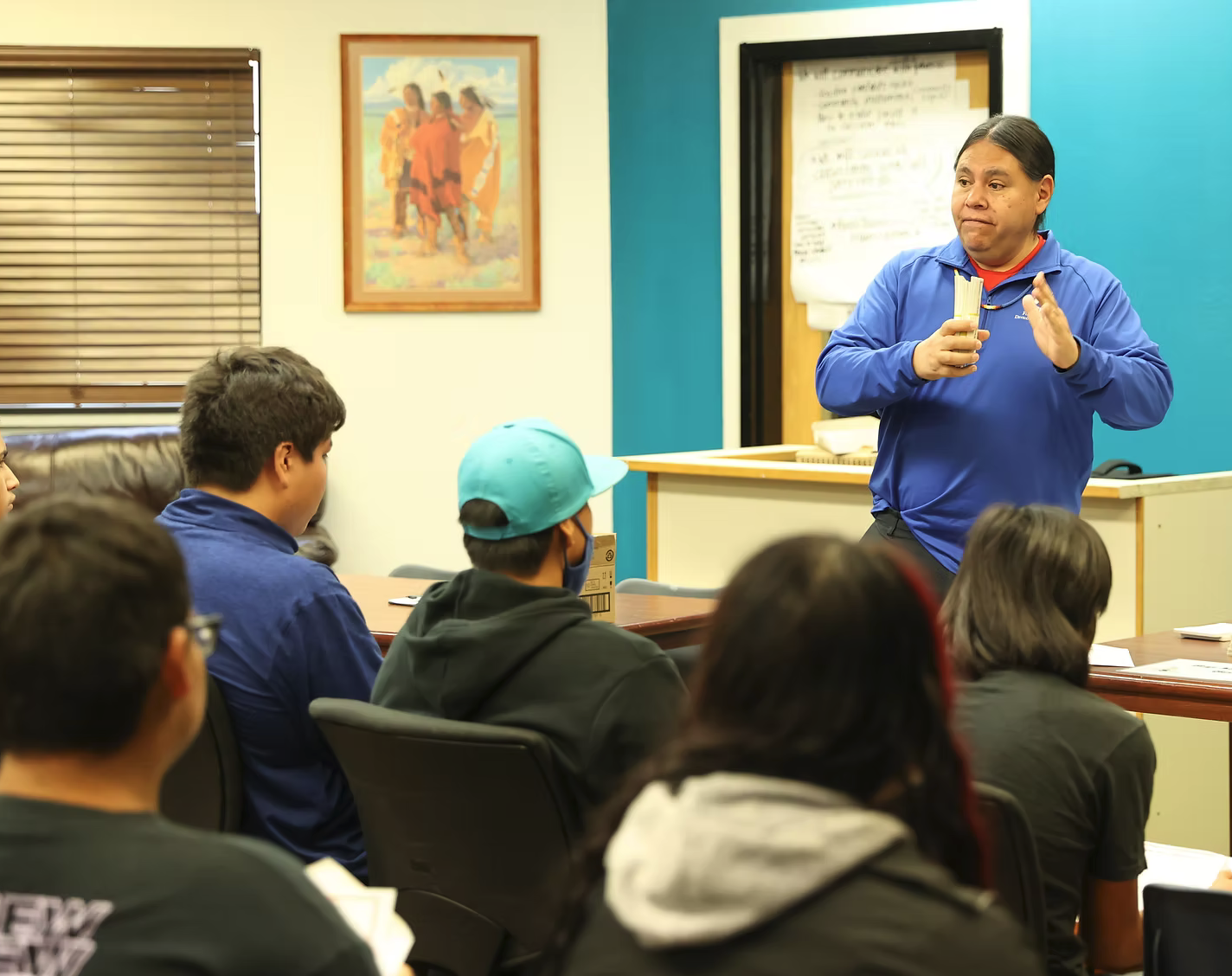
People’s Partner for Community Development (PPCD) is a Native-led community development financial institution serving the Northern Cheyenne Indian Reservation in southeastern Montana. Through lending, financial education, youth programming, Warrior Grocery, and Warrior Meat Company, PPCD helps Northern Cheyenne families and businesses build toward greater self-sufficiency and economic self-determination.
Where food sovereignty begins
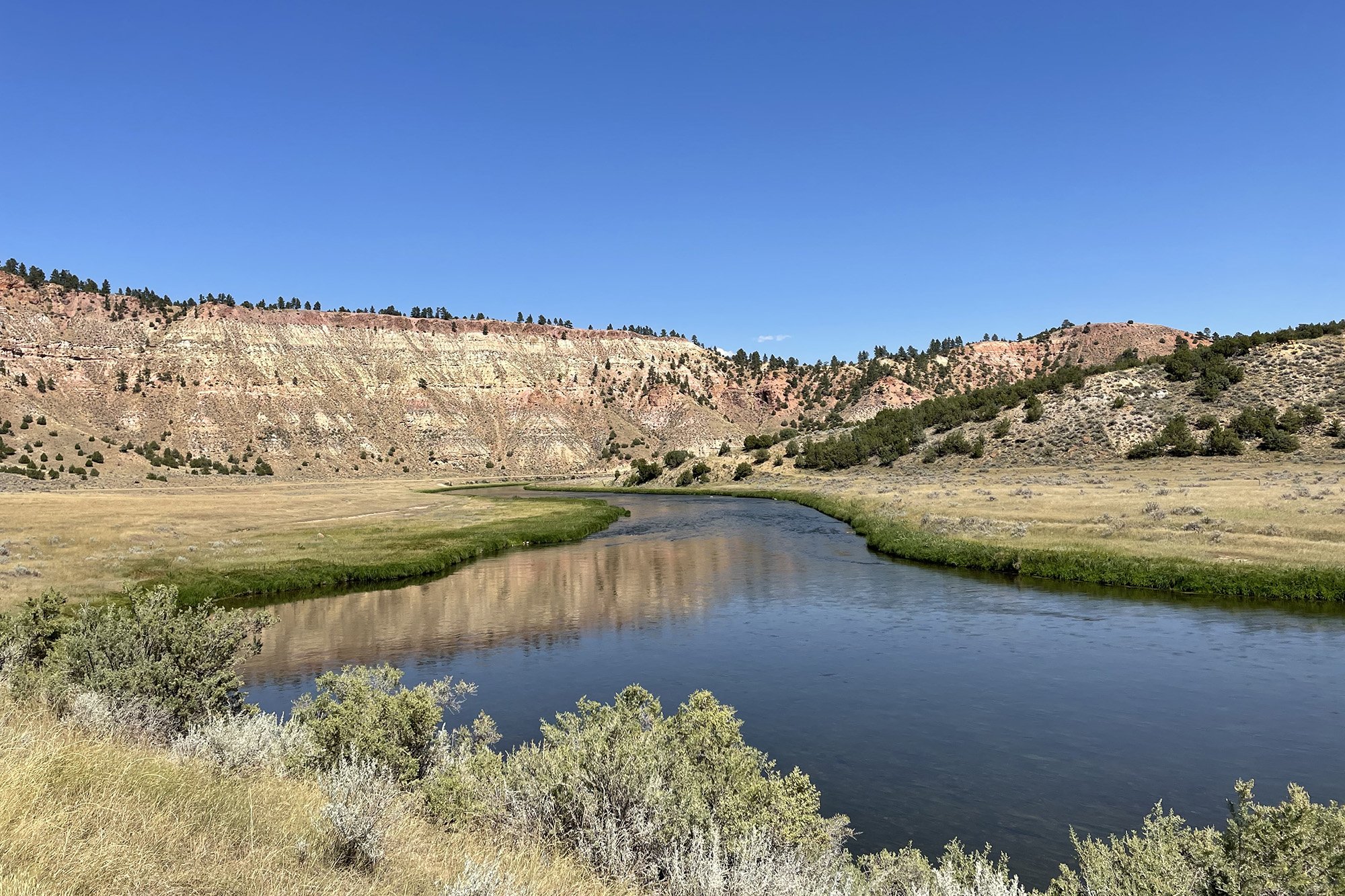
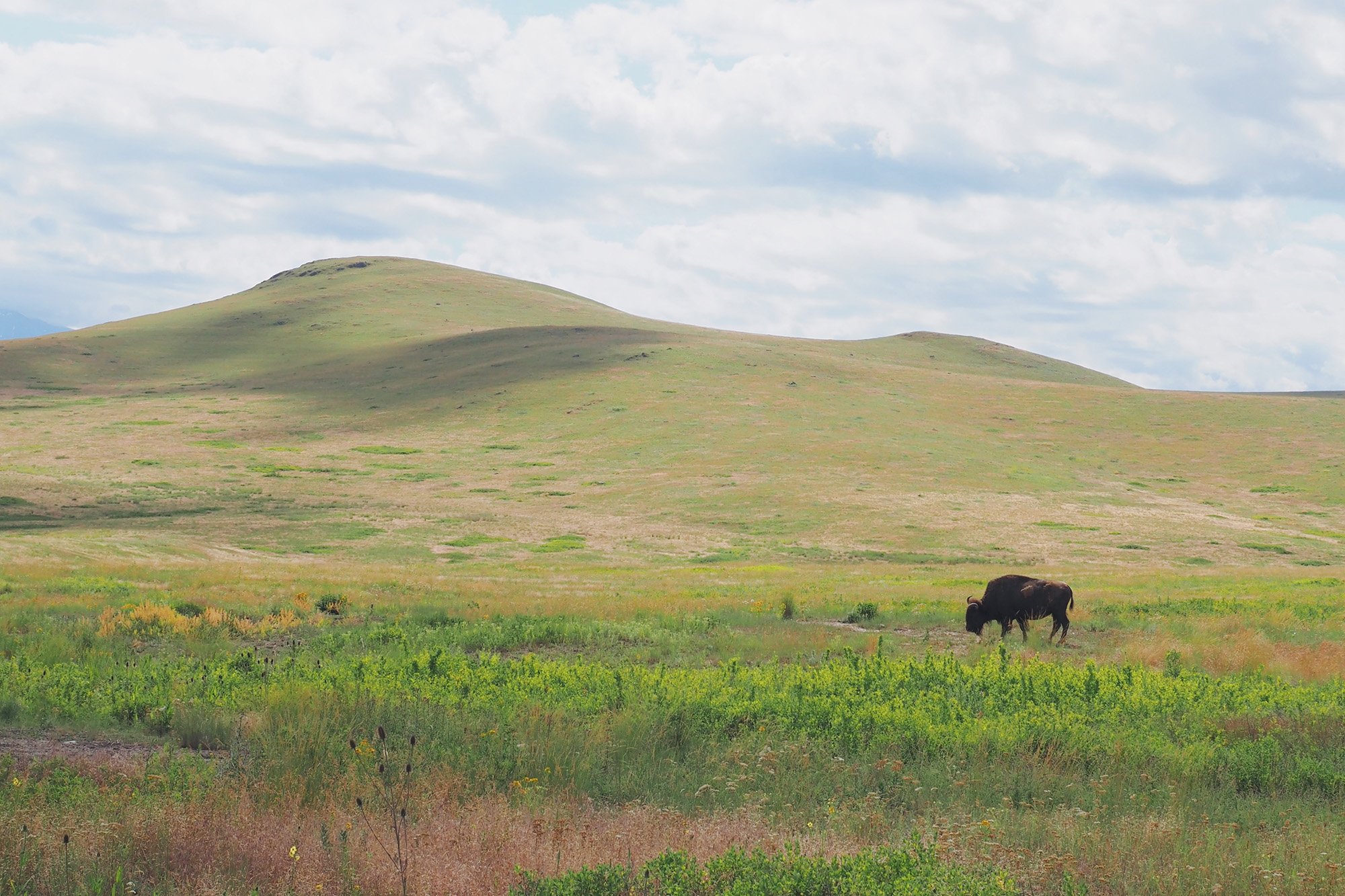
For the Northern Cheyenne people, food has always been tied to their relationship with the land and responsibility toward one another. The varied landscape along the Tongue River in southeastern Montana has sustained the Northern Cheyenne for hundreds of years. From hunting buffalo, deer, and elk in the surrounding hills to gathering chokecherries, berries, and prairie turnips across the plains, families have relied on the animals, plants, and waters of this place for generations.
These practices continue to be part of daily life for the Northern Cheyenne, even as the food system they navigate has changed. Families still hunt, raise livestock, tend gardens, preserve food, and share what they have with relatives. At the same time, essential components of the local food system are disconnected. Food raised locally often leaves the reservation before returning through outside supply chains, and the infrastructure needed to process, store, and distribute food remains limited. As a result, families and producers often carry the burden of a fragmented system.
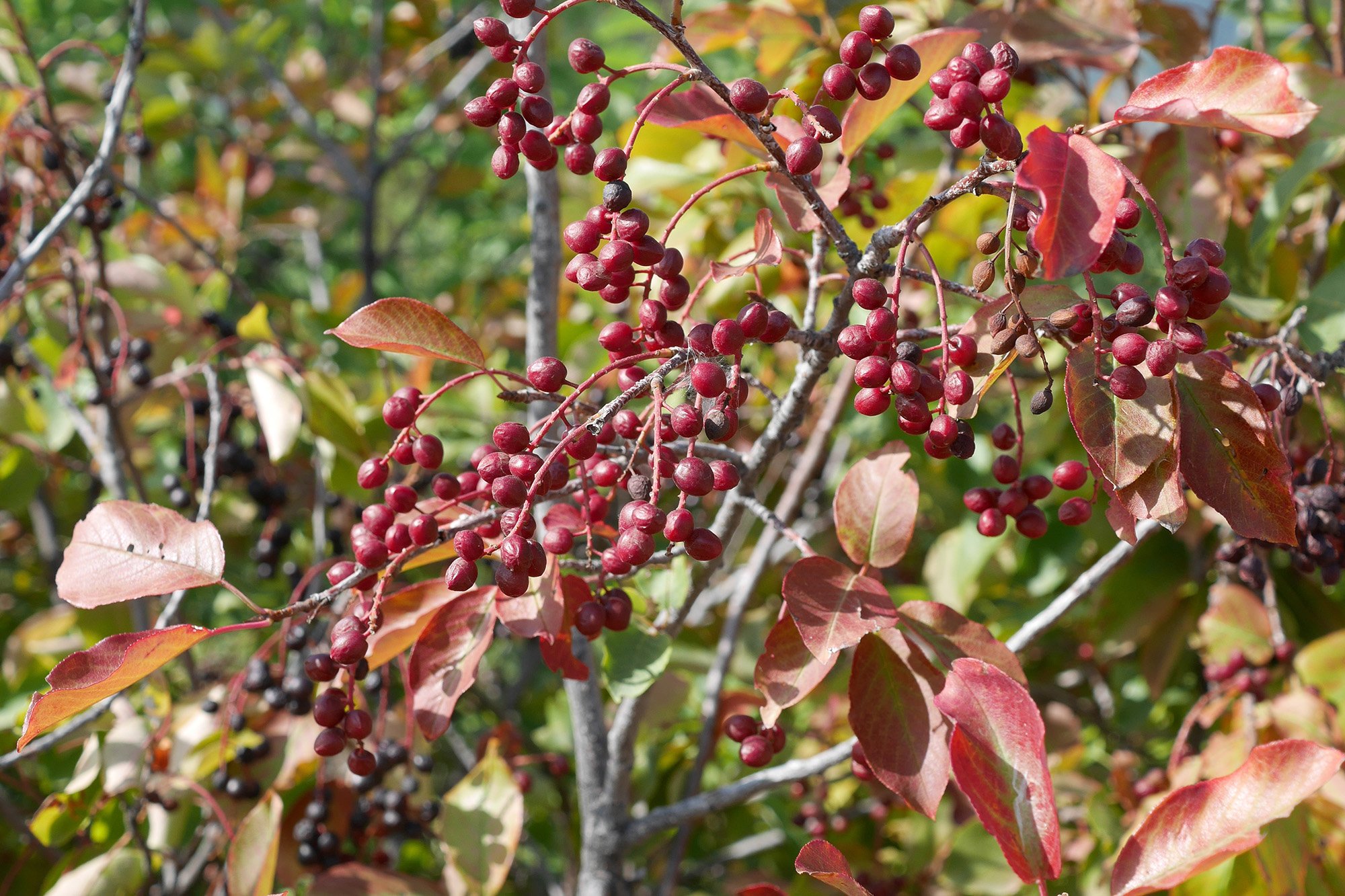
Chokecherry shrubs are abundant across the Rocky Mountains and Great Plains.
For many households, getting groceries means planning long trips to stores off the reservation, then making what’s available and affordable last until the next trip. On average, people travel 88 miles to purchase groceries, with many traveling 100 miles or more. Community members plan their shopping trips according to what their budget allows, the weather and condition of the roads, and how much food they can reasonably carry and store themselves.
As a driver for economic development on the Cheyenne River Reservation, People’s Partner for Community Development conducted a food sovereignty assessment to better understand how community members experience the food system as it is today, observe what’s working, and identify where additional support is needed.
In this study, we set out to: 1) understand how Northern Cheyenne households get their food and take part in the food economy; 2) identify the strengths community members draw on and the barriers they must overcome; 3) find ways for locally raised and harvested food to remain within the nation; 4) consider the health and economic value of local investment; and 5) develop a five-year strategy based on community priorities.
To assess how the Northern Cheyenne food system currently functions and where opportunities exist to strengthen food sovereignty, we drew on several sources of information:
119 completed community surveys representing all five Northern Cheyenne communities
14 key informant interviews representing five organizations
One in-person community visit focused on food access, production, and local food-system conditions
Review of more than 50 reports, academic publications, and public data sources
Food-System Transition Index analysis across production, processing, distribution, retail, energy, health, culture, and governance indicators
Five case studies of Indigenous food-sovereignty strategies
Economic multiplier scenarios to explore the value of retaining local food spending and agricultural activity
What we found
Before the arrival of settlers, the Northern Cheyenne homelands extended across the Northern Plains, including what is now southeastern Montana and parts of Wyoming and the Dakotas. But that land was significantly reduced as settlers expanded west and federal policies forced relocation and confinement, severely disrupting traditional food systems. Combined with the eradication of the buffalo and imposition of the Western diet, the traditional good health of Native people was negatively and greatly impacted, including that of the Northern Cheyenne.
Despite years of systemic oppression, food sovereignty efforts are not hard to find on the reservation. Community members are incredibly self-reliant. Almost 48% of survey participants hunt, 36% grow their own fruits or vegetables, and 34% forage their own food. Food is being preserved, gathered, and shared among relatives, and this is widespread throughout the community.
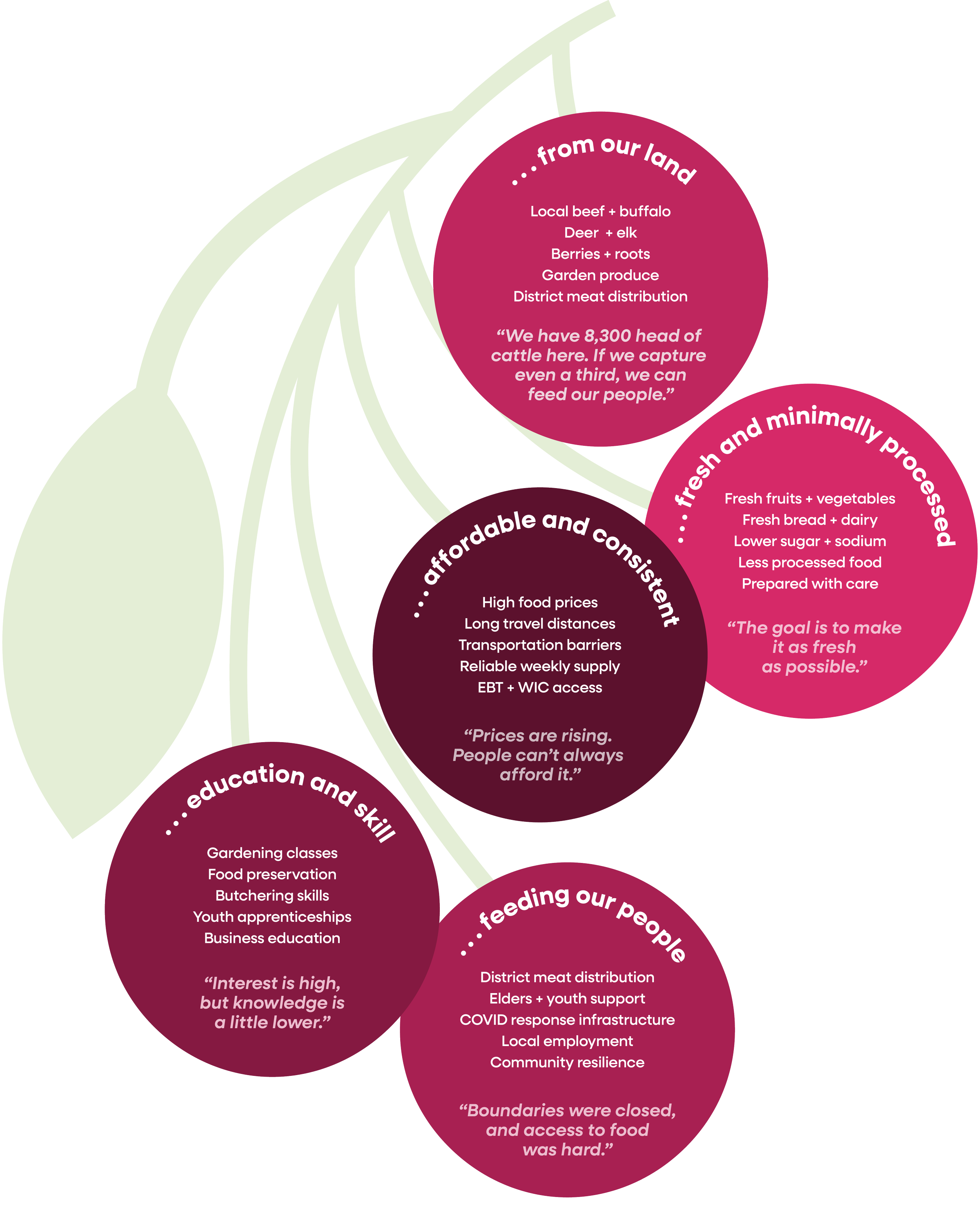
What “healthy food” means to study participants
Across survey responses and interviews, it’s clear that healthy food is not defined by nutrition alone. It’s also defined by land, access, knowledge, and responsibility. It reflects where food comes from, how it’s prepared, and whether it supports families and community well-being. Participant responses fell into five interconnected themes:
Healthy food means . . .
. . . food from our land
. . . fresh and minimally processed
. . . affordable and consistent access
. . . education and skill
. . . feeding our people

We’re related to everything: the dirt, the sky, the sun, the moon, the water, everything.
Linwood Tall Bull
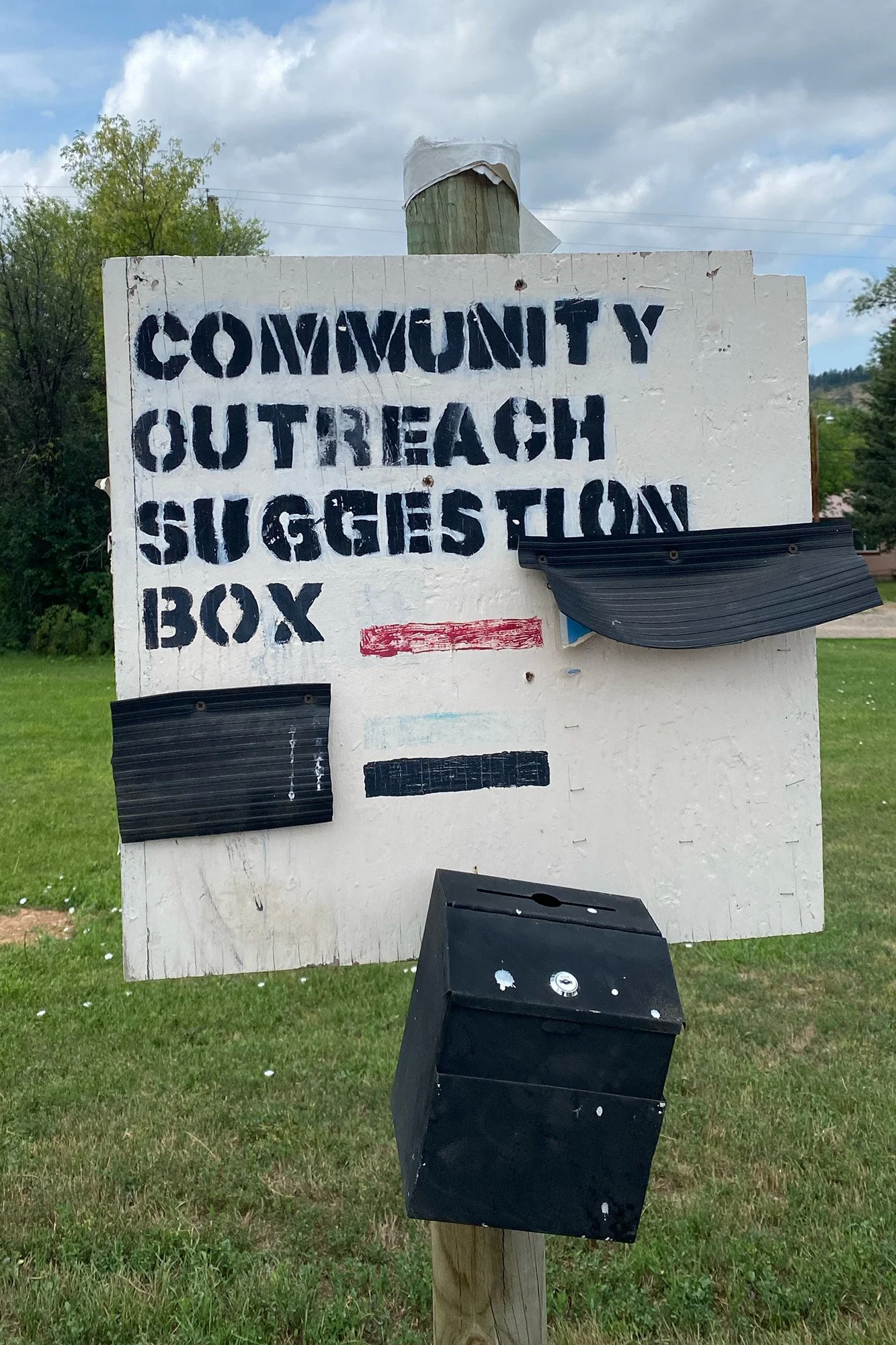
Community outreach suggestion box on the Northern Cheyenne Reservation.
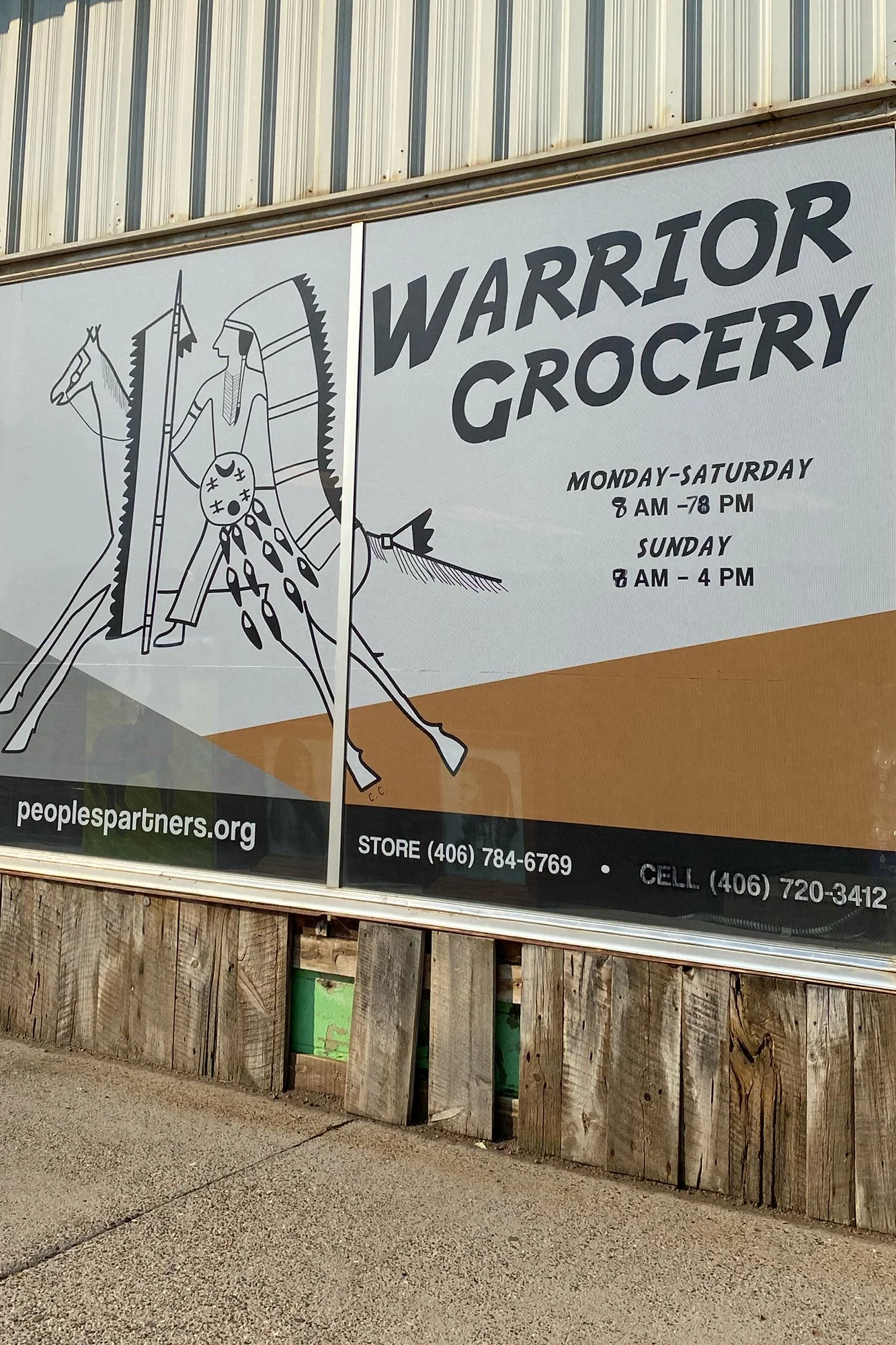
Outside Warrior Grocery in Ashland, Montana.
Nearly 82% of participants said traditional foods are essential to a healthy diet, and 78% want better access to them. Fewer than half feel confident preparing those foods, though, and community members want more opportunities to learn with relatives and knowledge holders and practice the skills themselves. Seasonal gatherings, preparation workshops, shared equipment, and youth mentorship could make room for that learning.
People are also interested in having more places to buy and sell locally. Community members suggested a market with locally raised meat, produce, baked and canned foods, artwork, quilts, jewelry, beadwork, and regalia. PPCD’s five-year strategy lays out practical ways to move toward that goal, beginning with gardens, preservation workshops, small-business lending, cold storage, workforce training, and a pilot market. Later work would strengthen processing, purchasing, and distribution so that more food produced within Northern Cheyenne homelands can stay close to home.
As for local food producers, ranching remains a major part of the Northern Cheyenne economy. In 2022, local producers managed more than 7,100 cattle and calves and sold more than 5,000 animals. Native producers made up about 89% of cattle operations and accounted for 76% of cattle sold. Still, much of the meat leaves the reservation for processing and distribution elsewhere. Warrior Meat Company has started bringing that work closer to home, but expanding its reach will require trained workers, inspection options, cold storage, and more processing capacity. Those investments could help make locally raised meat more available to Northern Cheyenne families.
As a result of the study, we developed seven recommendations for strengthening food sovereignty. The recommendations focus on production, processing, distribution, governance, and community well-being:
Expand household food production
Strengthen traditional food knowledge and access
Expand local meat processing and protein circulation
Invest in food system infrastructure
Improve retail access and local procurement
Develop community markets and local food entrepreneurship
Strengthen food sovereignty leadership and coordination
A five-year plan for food sovereignty
The study gave People’s Partner for Community Development a practical plan for the next five years. Some steps can begin on a smaller scale, including garden support, preservation workshops, and a pilot market. Others, such as cold storage and expanded meat processing, will take more time and partnership. In combination, these efforts will help families find a wider selection of food options closer to home, and help producers sell more of what they raise within the nation. And, importantly, the plan builds on the relationships already holding the Northern Cheyenne food system together.
Northern Cheyenne food sovereignty is not new. It shows up in how people care for the land and water, raise cattle and buffalo, follow the seasons, and share food with relatives. PPCD, Warrior Grocery, Warrior Meat Company, local producers, and knowledge holders are each doing part of this work now. The five-year strategy supports work that is already underway, beginning with what the Northern Cheyenne people already know and do.
Food carries teachings about caring for relatives, caring for the land, and preparing future generations. Northern Cheyenne food sovereignty is not something that needs to be brought into the community. It is already here.
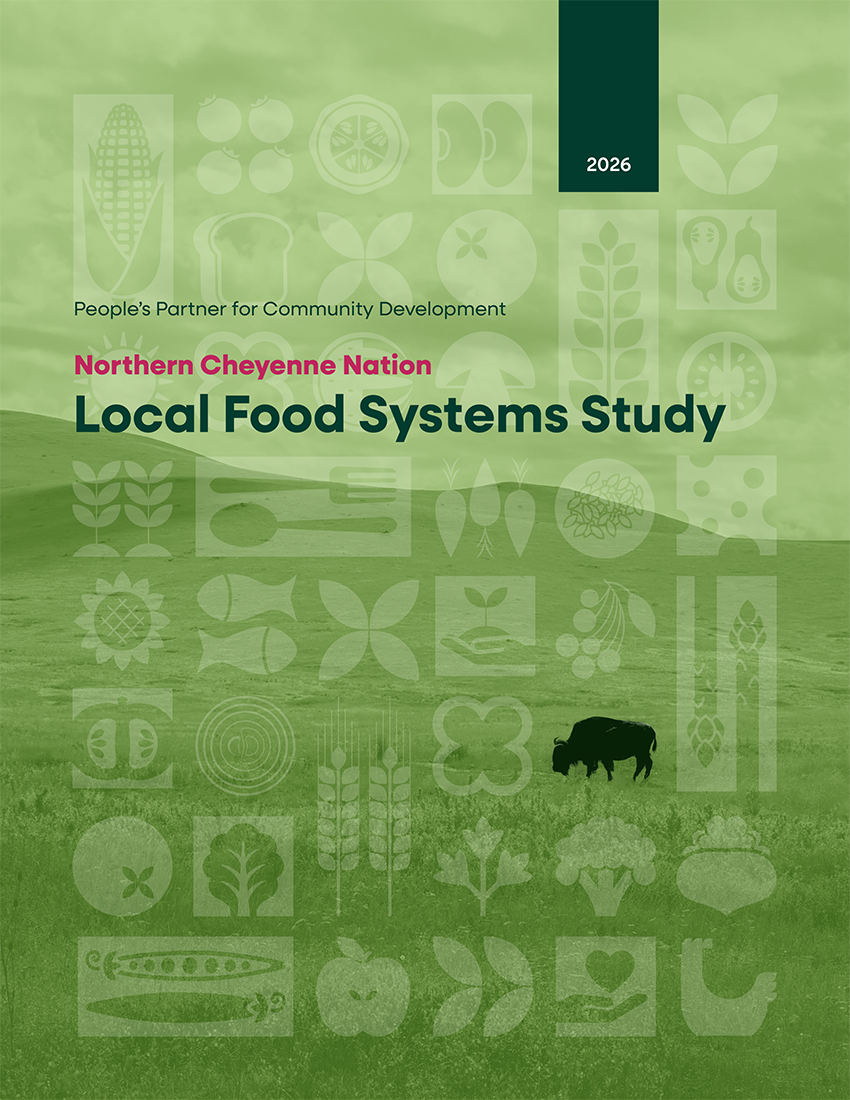
Northern Cheyenne Nation: Local food systems study
A comprehensive food study with a five-year strategic plan for the Northern Cheyenne
Project team
-

Michael Brydge
Principal & Research Director
Project supervision, research design, and client communication
-

Marie Schaefer
Associate Research Director
Secondary research, case study analysis, report writing, recommendations, and final content development
-

Jackie Carter
Associate Research Director
Community data collection, interviews, qualitative analysis, and project coordination
-
Andrea Mader
Principal & Strategy Director
Survey data analysis and quantitative analysis
-

Mairi Creedon
Associate Research Director
Background research and literature review
-

Jodi Wolfe
Senior Graphic Designer
Report design, data visualization, graphics, and accessibility