Lower Sioux Indian Community
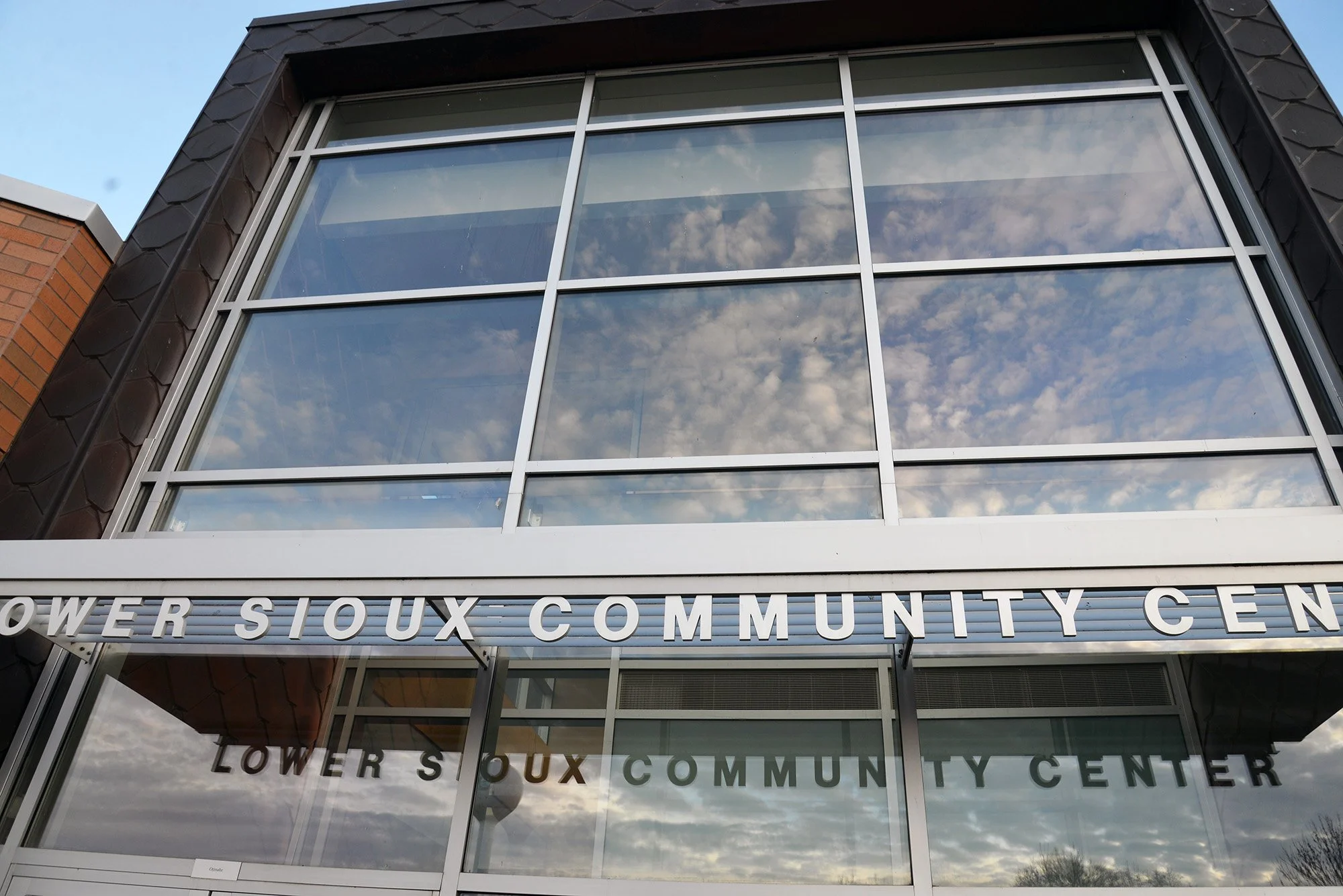
The Lower Sioux Indian Community is a federally recognized Dakota Nation located along the Minnesota River Valley in Minnesota. They’re committed to preserving Dakota heritage, revitalizing the Dakota language, and fostering opportunities for cultural and economic sustainability. Their vision for the Cansayapi Wicoicage Oti (Lower Sioux Cultural Incubator) emerged from a desire to share their history in their own voice while creating a dedicated place for intergenerational learning, arts, and entrepreneurship.
-
In 2016, the Lower Sioux embarked on a yearlong, community-wide planning process to develop a strategic vision and mission to support lifelong learning, spiritual and emotional wellness, and economic stability. A formal plan was adopted by the tribal council in 2017, and at the heart of the plan was the creation of an intergenerational cultural incubator. It became a top potential strategy for achieving the tribe’s strategic goals and meeting the needs for workforce development and business diversification.
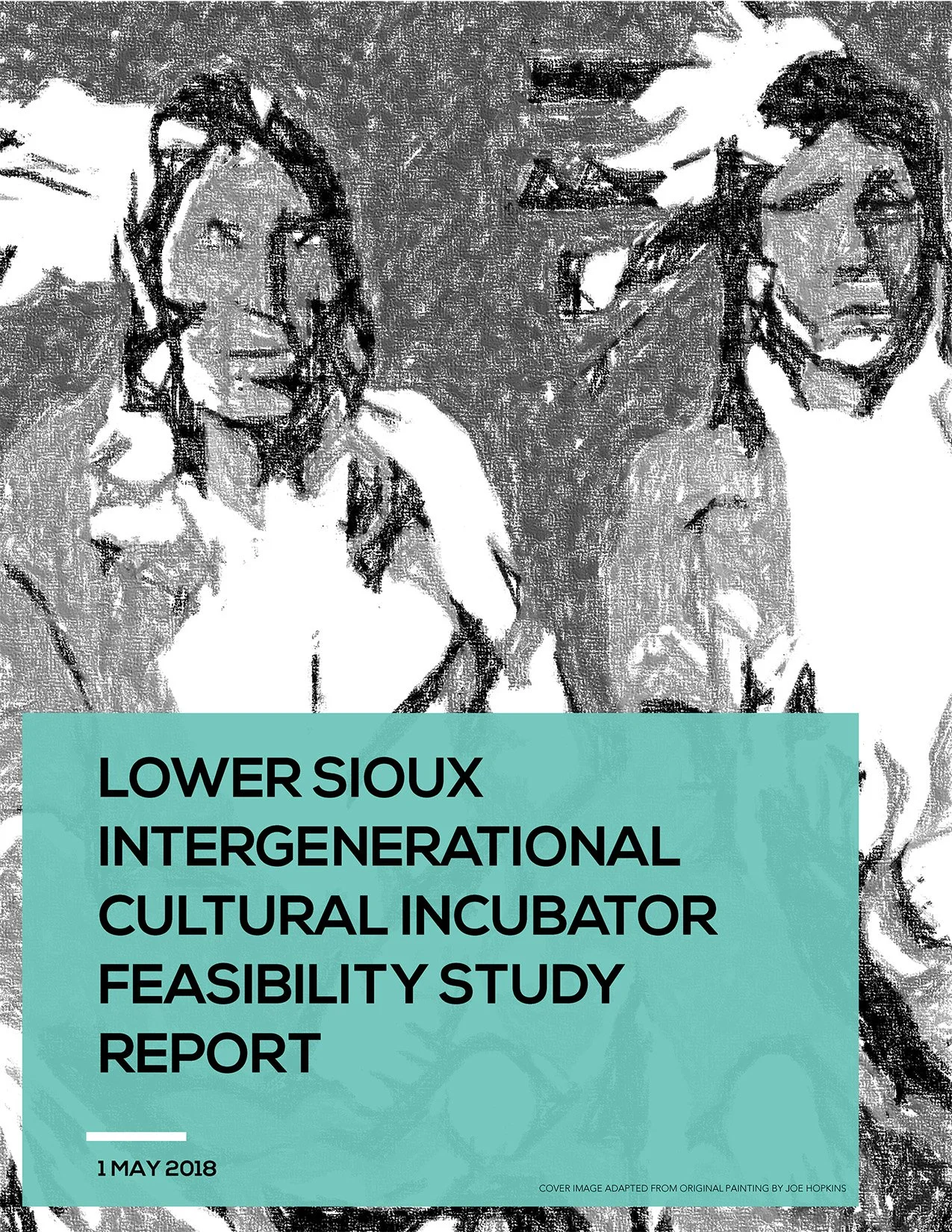
We partnered with Kim Tilsen-Brave Heart and Kim Pate to determine whether a community and cultural center could be successfully developed, constructed, and operated by the tribe.
-
Convene an advisory group of elders, cultural practitioners, artists, educators, and community leaders.
Gather community insights into cultural values, historical narratives, and needs for programming.
Determine the viablility of an artist market.
Assess governance and operational models.
Develop financial projections.
Present the Lower Sioux with a clear, data-driven plan to guide decision-making and attract the investment necessary to bring the vision to life.
Provide ongoing expertise in monitoring and evaluation.
-
With this data, the Lower Sioux secured the $4.4 million in funding it needed to move forward with the center. With major contributions from the Shakopee Mdewakanton Sioux Community and the US Economic Development Administration, it acquired the necessary capital to construct the building in full. BNIM and Pyatt Studios led the design process, while we continued to support community engagement, making sure the facility accurately reflected the values and needs identified in the study.
-
Jan 2017–Mar 2018
-
Andrea Mader — Project supervisor, tool design, advisory council engagement, data collection and analysis, literature review, report writing, evaluation plan design