5 resources for tracking your impact as a Native CDFI or nonprofit
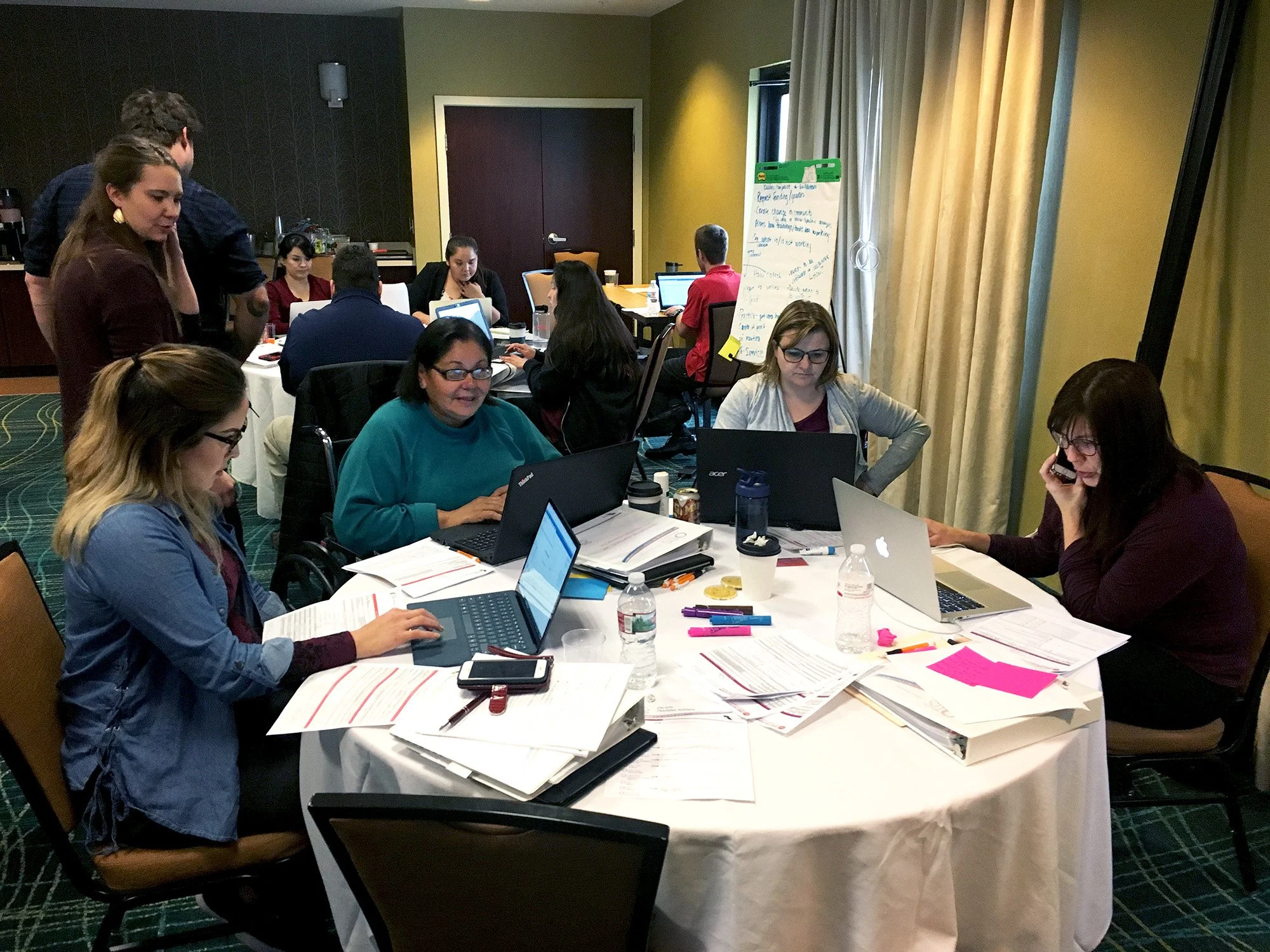
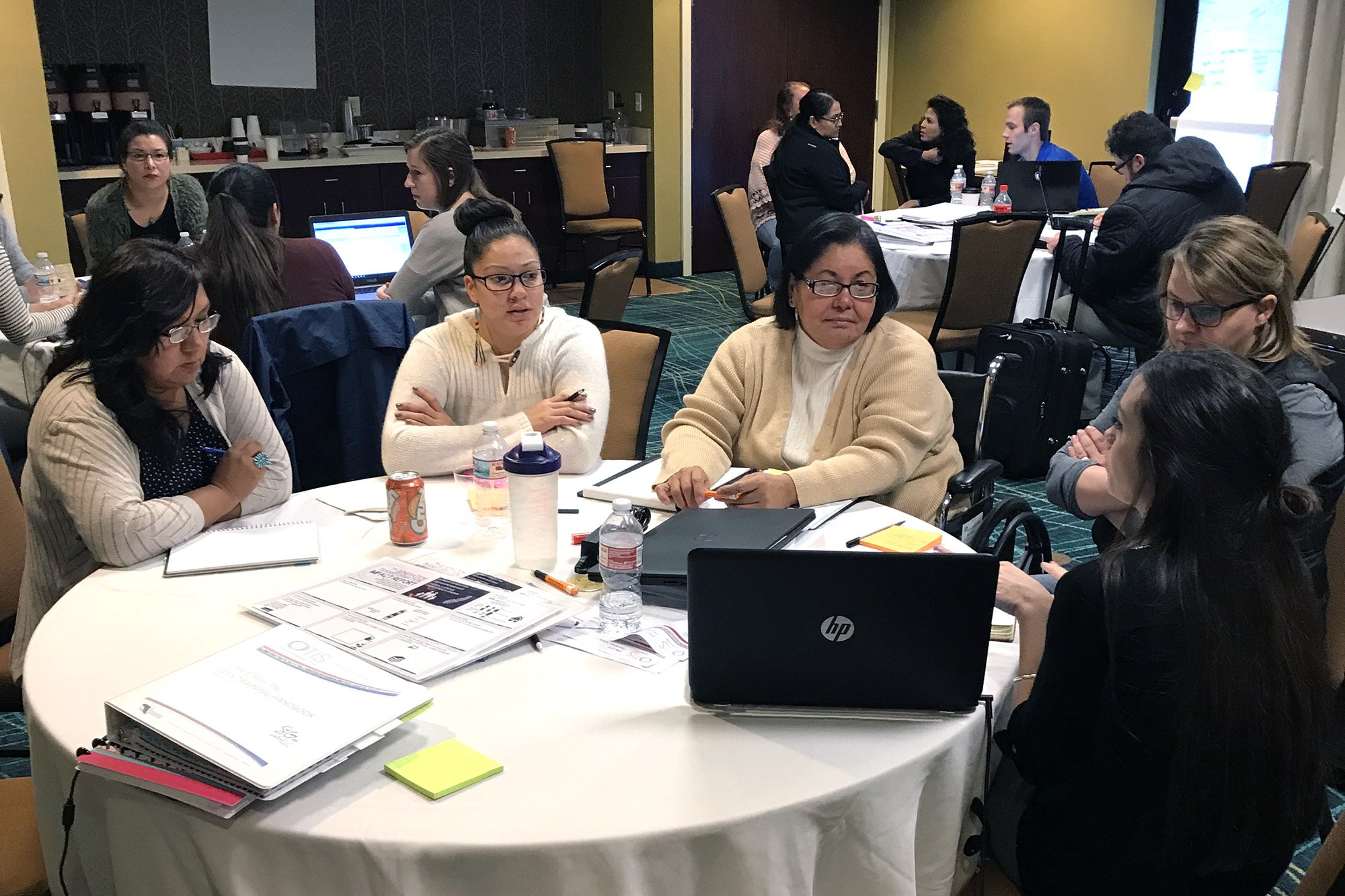
Andrea Mader conducts a training with Niijii Capital Partners (now Woodland Financial Partners) and First Nations Community Capital (now Cedar Growth) on impact tracking.
We’ve helped develop many impact-measurement systems over the years, and we’ve seen the difference they make for nonprofits — especially for Native CDFIs. When you build intentional ways to measure your progress, you get closer to achieving your impact goals.
Tracking outcomes, successes, and opportunities strengthens your services and helps you better serve your clients and communities. It also gives you clearer language for telling your story to funders and partners, and it shows your commitment to your mission and vision.
Our simple framework for a successful impact-measurement program is to collect it, analyze it, and report it. Here are some resources to help you get started:
Best practices in impact tracking for Native CDFIs (video): A joint presentation by Oweesta and Sweet Grass featuring effective data-collection tools and processes, along with case studies from industry leaders.
Best practices in impact tracking manual (PDF): An impact-tracking training manual for Native CDFIs created by ICF, Oweesta, and Sweet Grass. It includes learnings from a three-day workshop focused on impact measurement systems, goal setting, and reporting structures.
Best practices in impact tracking for Native community development financial institutions (PDF): A collaboration between Oweesta and Sweet Grass offering culturally relevant tools and resources to measure success, attract investment, and tell your story effectively.
Initial steps to building an impact measurement system (video): A joint webinar by Oweesta and Sweet Grass that walks you through logic models for day-to-day decision-making and year-to-year goal setting.
How to prove your nonprofit makes a difference (blog): Tips for helping you measure your impact and communicate your value through data-driven storytelling.
Why do we think impact tracking is important this time of year? Because establishing a baseline now sets you up for next year’s planning. We want you to start strong, and reflecting on what you’ve accomplished builds a solid foundation for the year ahead. Added bonus: Tracking your progress keeps you and your team motivated by showing tangible results.
Not sure where to start? Let’s build something together.
Share