NACDC builds community using research and trauma-informed practices
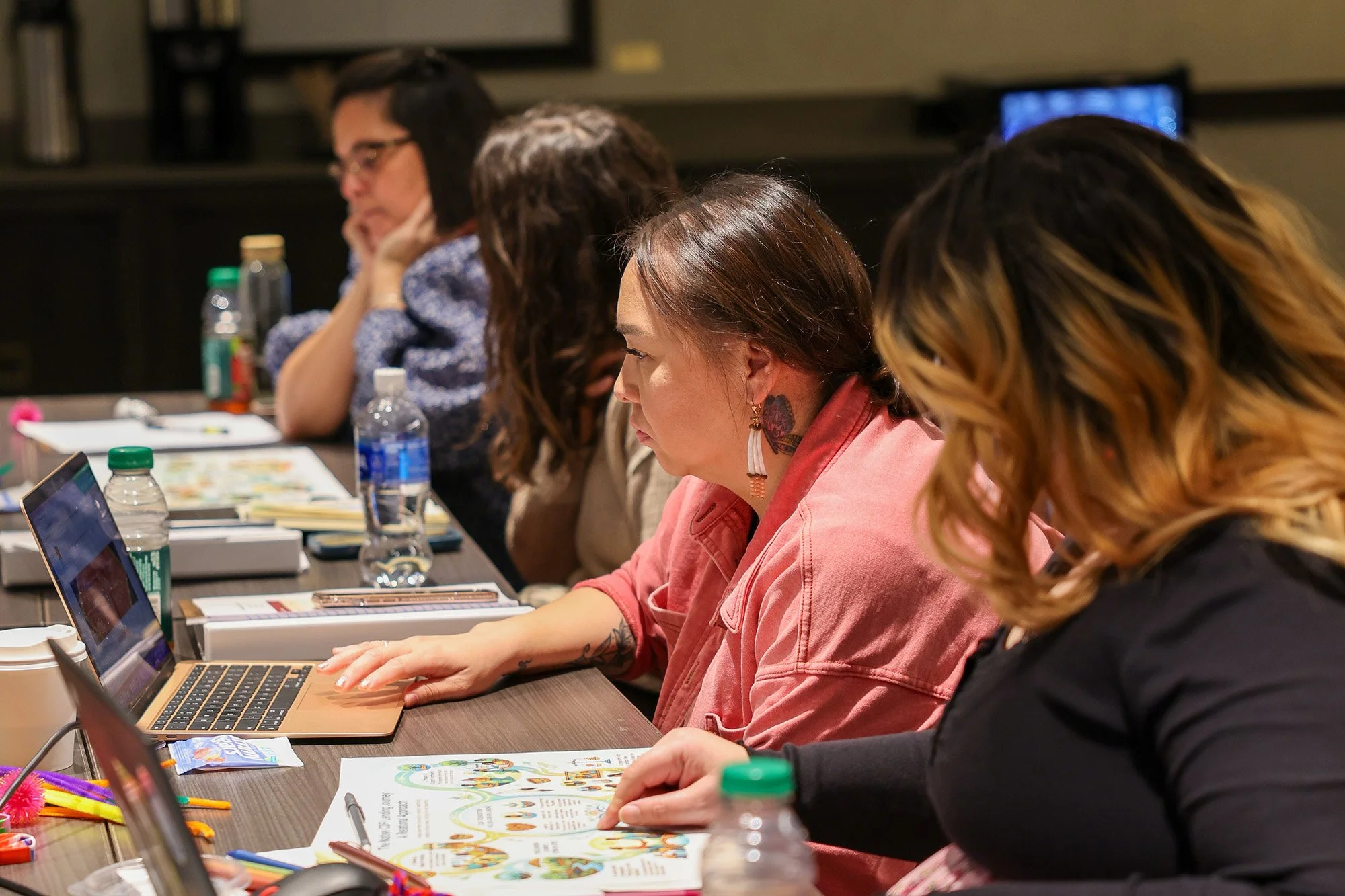
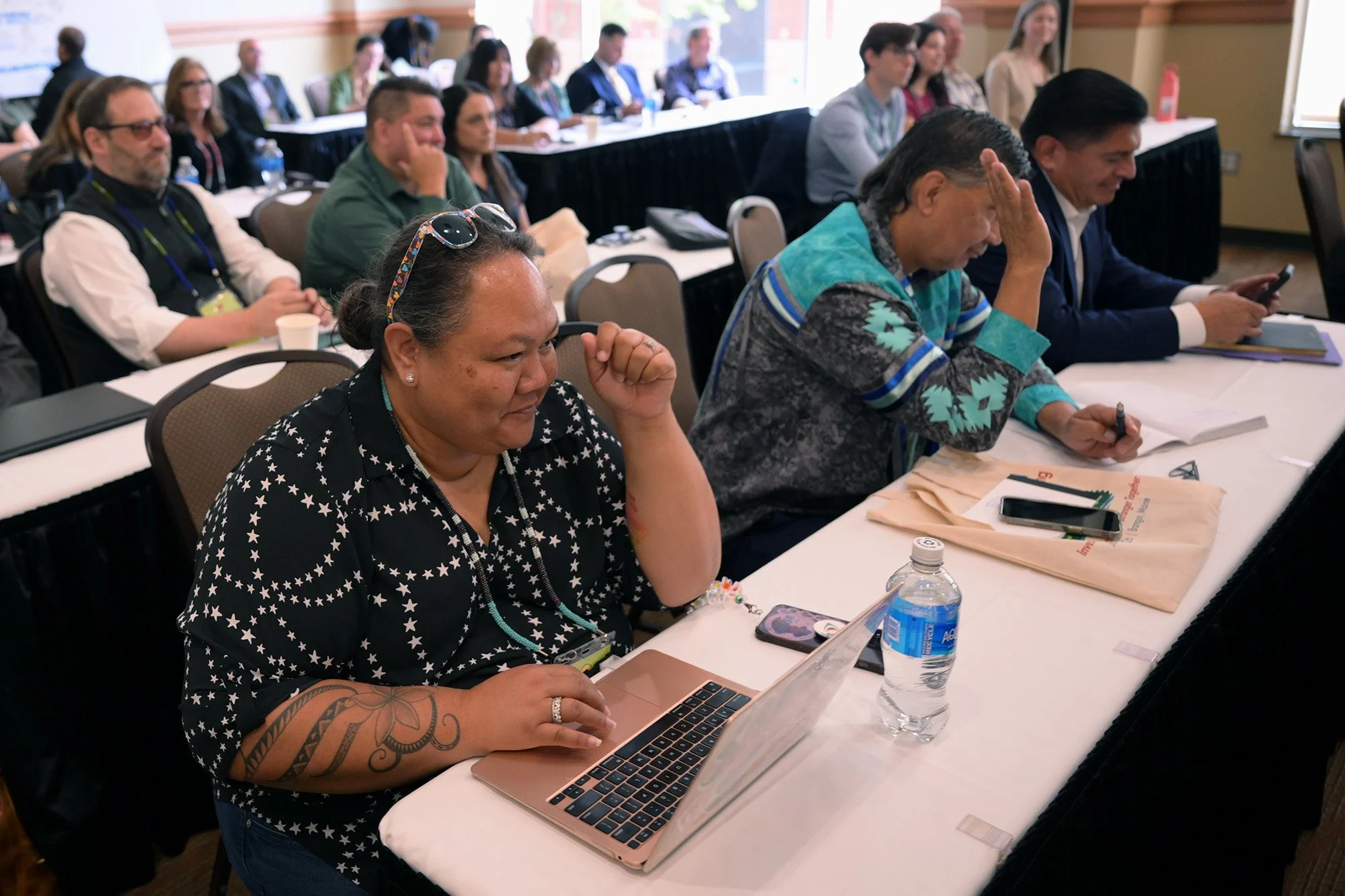
Fellows from the Yellowbird Fellowship gather in Denver, Colorado.
Welcome to the second installment of our three-part blog series, Salesforce for Impact Tracking, where we share best practices, lessons learned, ideas, and inspiration for implementing impact-tracking database systems for Native CDFIs and nonprofits. If you missed part 1, read Akiptan proves “slow and steady” is the way to build an impact measurement system to catch up!
How do Native CDFIs find success? By being both a community developer and a researcher. Answering the big questions and collecting critical data is what leading Native CDFIs are doing to help their communities thrive. Our partner, NACDC Financial Services, a Native community development financial institution (CDFI) on the Blackfeet Indian Reservation, is playing an important role in that success. NACDC invests heavily in impact measurement, research, and strategy. They intentionally focus on measuring and documenting their impact, and looking toward the future of their work both within the community and the industry.
Our partnership with NACDC started in 2014 with several impact measurement initiatives organized by NeighborWorks America and Oweesta Corporation. Our role was to assess impact measurement practices and provide targeted technical assistance to Native CDFIs. Soon after, NACDC took the best practices, models, and tools to heart by working with us to produce their 2014 annual report.
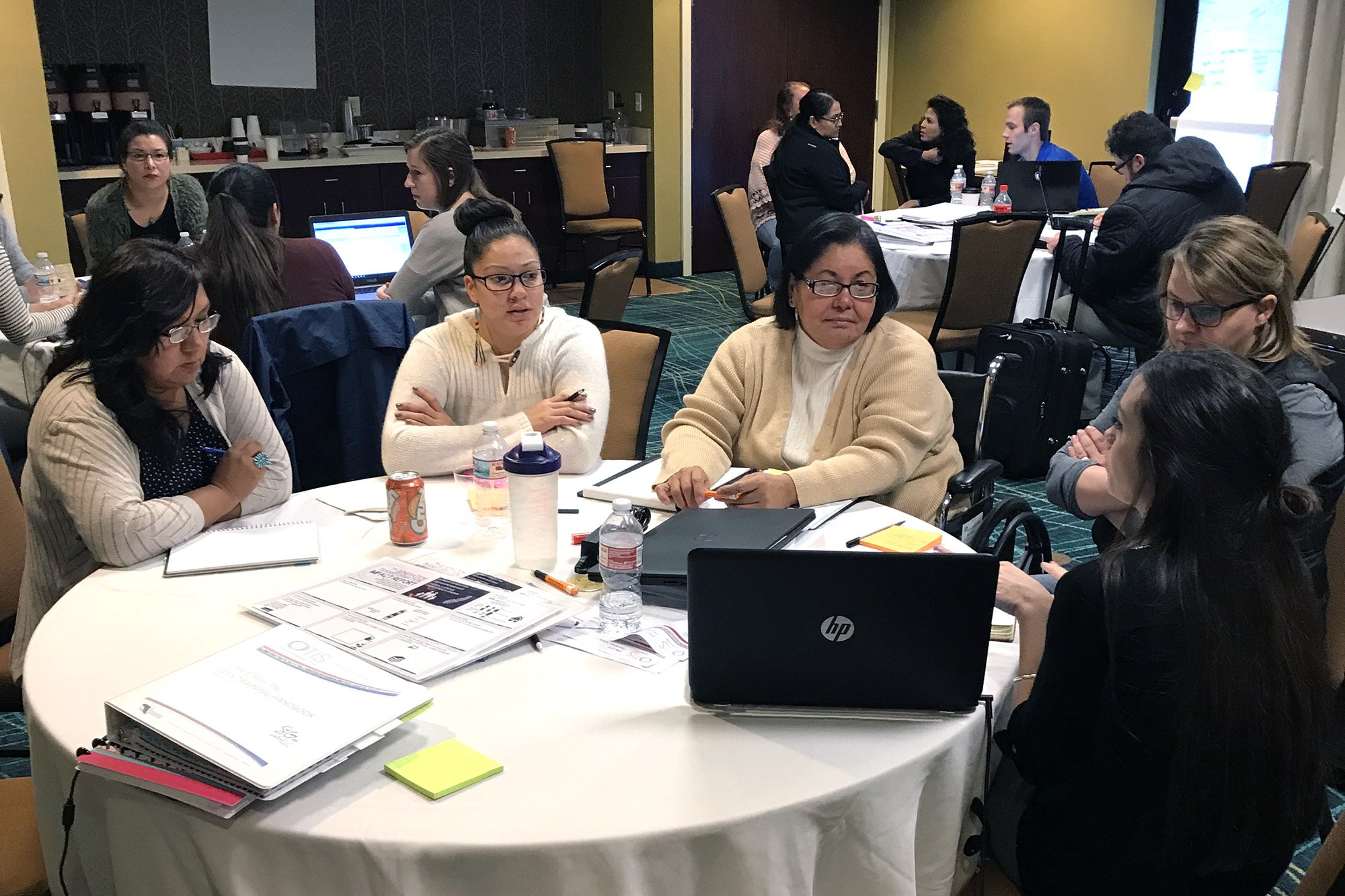
What grew from there was an impact measurement structure and related database system called the Opportunity Through Impacts System (OTIS), a cohort model from 2016–2022 that included 15 Native CDFIs who came together to learn from each other and invest in their impact measurement capacity. The cohort defined new tools and approaches for collecting important client data while communicating with funders and developing a cloud-based database tool to support their long-term data sovereignty.
Throughout that time, NACDC was also investing in other research projects. They were educating and preparing their community for the Land Buy-Back Program for Tribal Nations, building capacity to adapt to disasters like COVID-19 by updating a disaster and economic recovery plan, and assessing the feasibility of a credit union on the Blackfeet Indian Reservation.
Developing the Indigenous finance workforce
One of NACDC’s more prominent research projects was through the EDA’s Build Back Better grant and the Mountain Plains Regional Native CDFI Coalition. NACDC spearheaded “Project 2,” which focused on building the Indigenous finance workforce by preparing and paving the way for the next generation of Native CDFI leaders.
Project 2 started with a workforce development needs assessment in 2023. We worked with Native CDFIs across the country to better understand the experiences of both their staff and executive directors. We wanted to know: What are the needs in the industry? Where are there gaps in understanding? Where do executive directors want staff with specific knowledge and expertise, and where do staff want more professional development and training?
The results gave NACDC a lot of insight into the inner workings and needs of Native CDFIs:
Top staff training needs included business counseling, planning, and management (79%), underwriting (75%), and data management/reporting (67%).
Executive directors prioritized succession planning (75%) and growth/change management (75%) as critical professional development areas. Capitalization planning and organizational development were also significant needs (42–50%).
This first round of research resulted in three recommendations for next steps:
Develop a Native CDFI curriculum to address the barriers and training needs identified by staff and executive directors.
Solidify partnerships with tribal colleges and universities (TCUs).
Offer a training course hosted by the Coalition or the associated Mountain Plains Community Development Corporation.
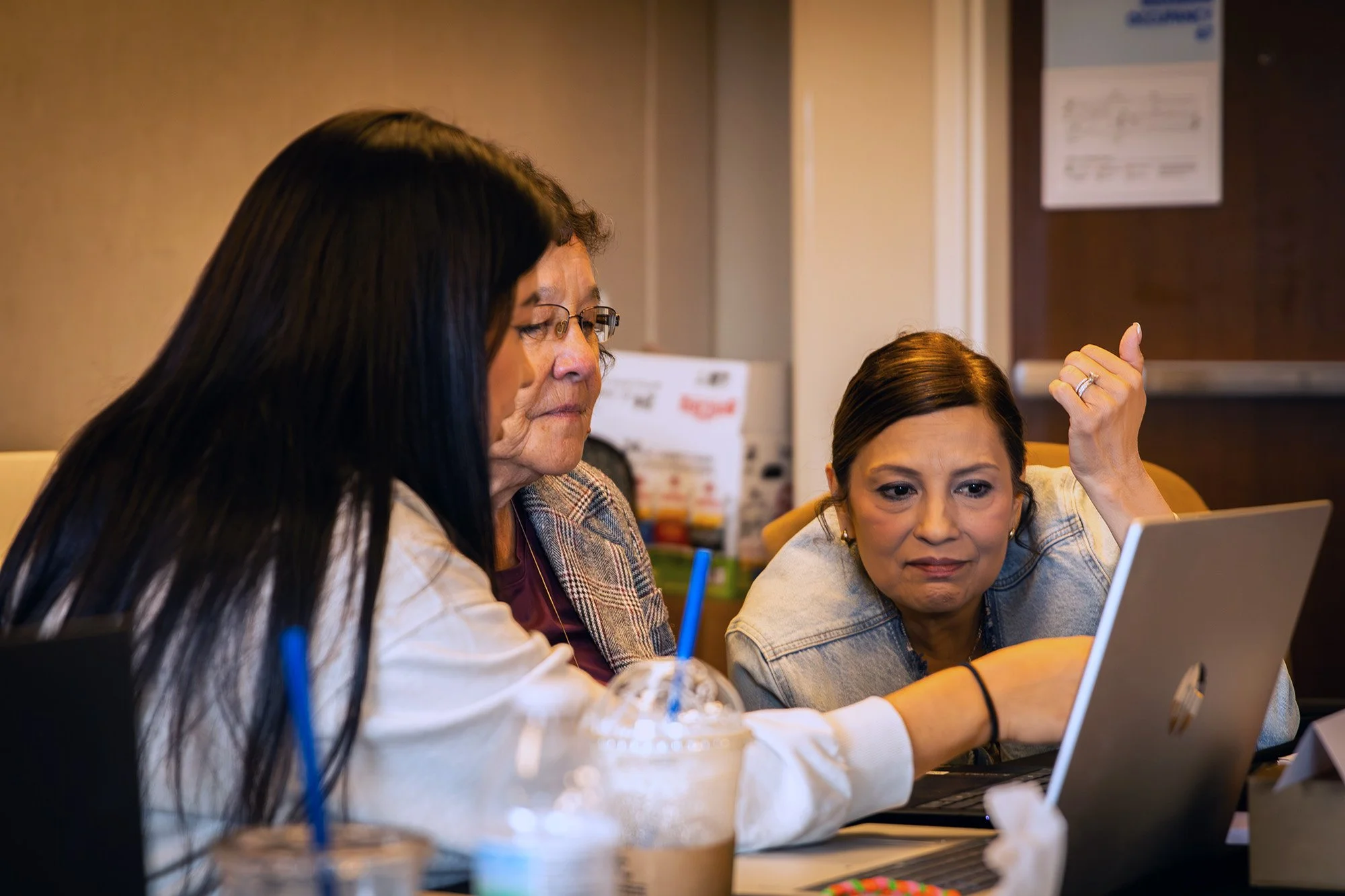
The first cohort of the Yellowbird Fellowship.
The next round of research in 2024 was more focused on existing staff and their experience entering the industry. We wanted to know more about onboarding and professional development processes to determine what training was needed and the types of curriculum to develop. The results from this survey revealed where people came from, why they entered the workforce, and the ideas they had to make the experience better for others. Many emphasized the importance of cultural competency and sensitivity, the role of mentorship and shadowing, and day-to-day skills like underwriting and providing business technical assistance.
The research uncovered that:
34% worked for a tribe or an educational institution.
33% worked at another financial institution, for the Indian Health Service or in health care, or held non-tribal government positions.
74% had a background in customer service, 57% in financial management, and 46% in community connection and knowledge.
56% of respondents wanted to learn skills in CDFI creative financing, 48% in loan processing and management, and 48% in trauma-informed services and training.
To meet the needs of future new employees, survey respondents recommended:
Prioritizing official onboarding processes and curriculum
Comprehensive employee handbooks/manuals
Being paired with a seasoned CDFI employee (mentorship/shadowing)
Peer-to-peer learning and gatherings
More extensive CDFI literature and resources
Finally, a third report followed in 2025 that was built on the recurring theme of cultural competency and sensitivity, specifically financial trauma. It outlined the role CDFIs have and should play in providing support to clients navigating that trauma. The recommendations were to:
Create a trauma-focused community of practice.
Offer multigenerational budgeting workshops.
Conduct creative outreach to non-working people.
Provide regular trauma-focused staff training and curriculum development.
Emphasize trauma-responsiveness (i.e., going beyond trauma informed).
Promote culturally grounded financial empowerment in Indigenous communities.
Build from existing trust-focused relationship-building approaches.
Maintain a “life-responsive” workplace culture.
Honor and strengthen the matriarchal foundation of Native CDFIs.
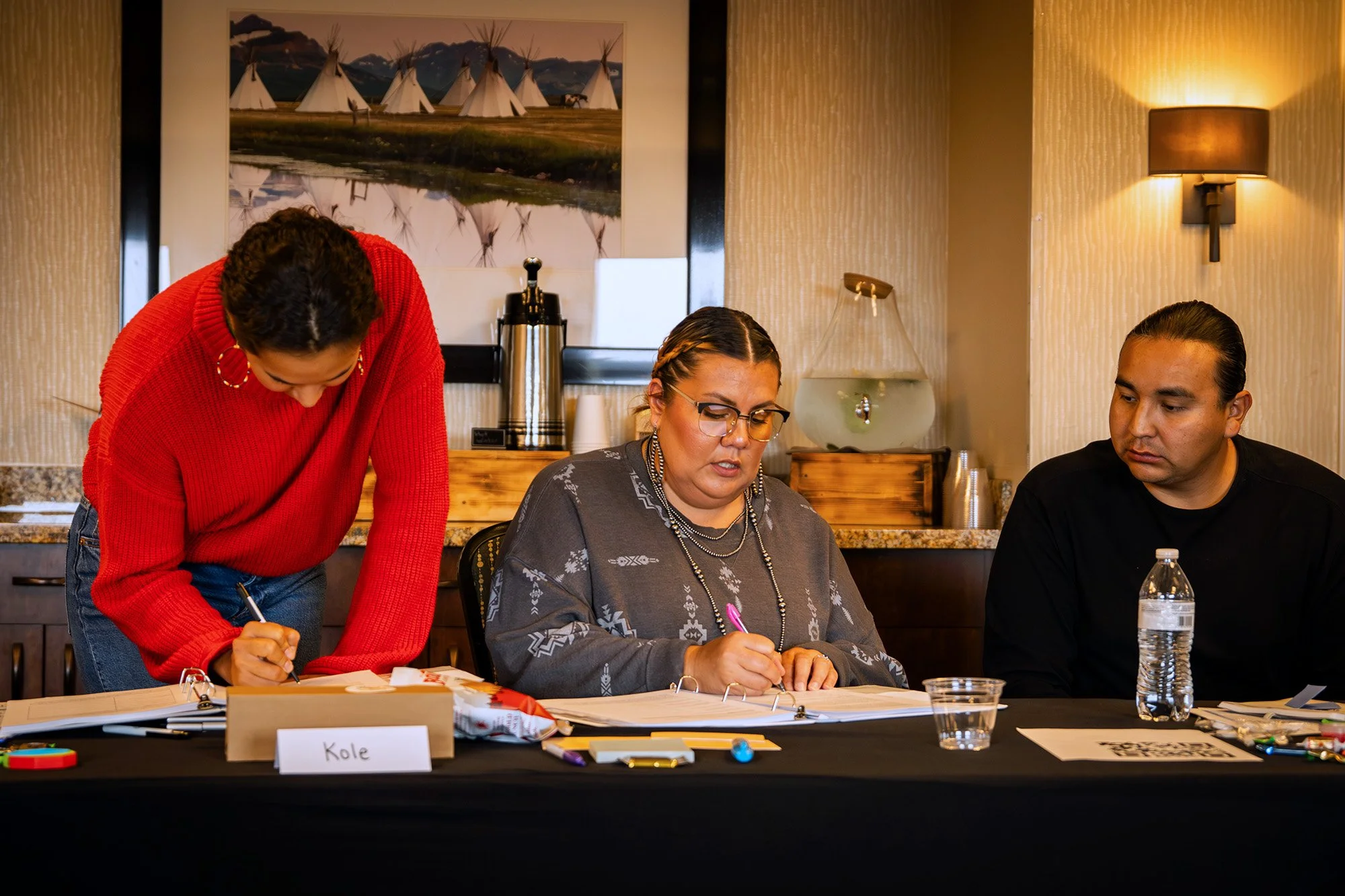
The first cohort of the Yellowbird Fellowship.
The Yellowbird Fellowship
The culmination of this multiyear data-collection and research process led to NACDC’s development of the Yellowbird Fellowship.* The fellowship provides practical technical training, mentorship, leadership development, and meaningful peer connections to community members who are interested in careers in Native finance. In 2025, the first cohort of Native CDFI professionals went through the year-long training process, informed by everything NACDC learned from researching the needs of the Indigenous finance industry workforce through their studies.
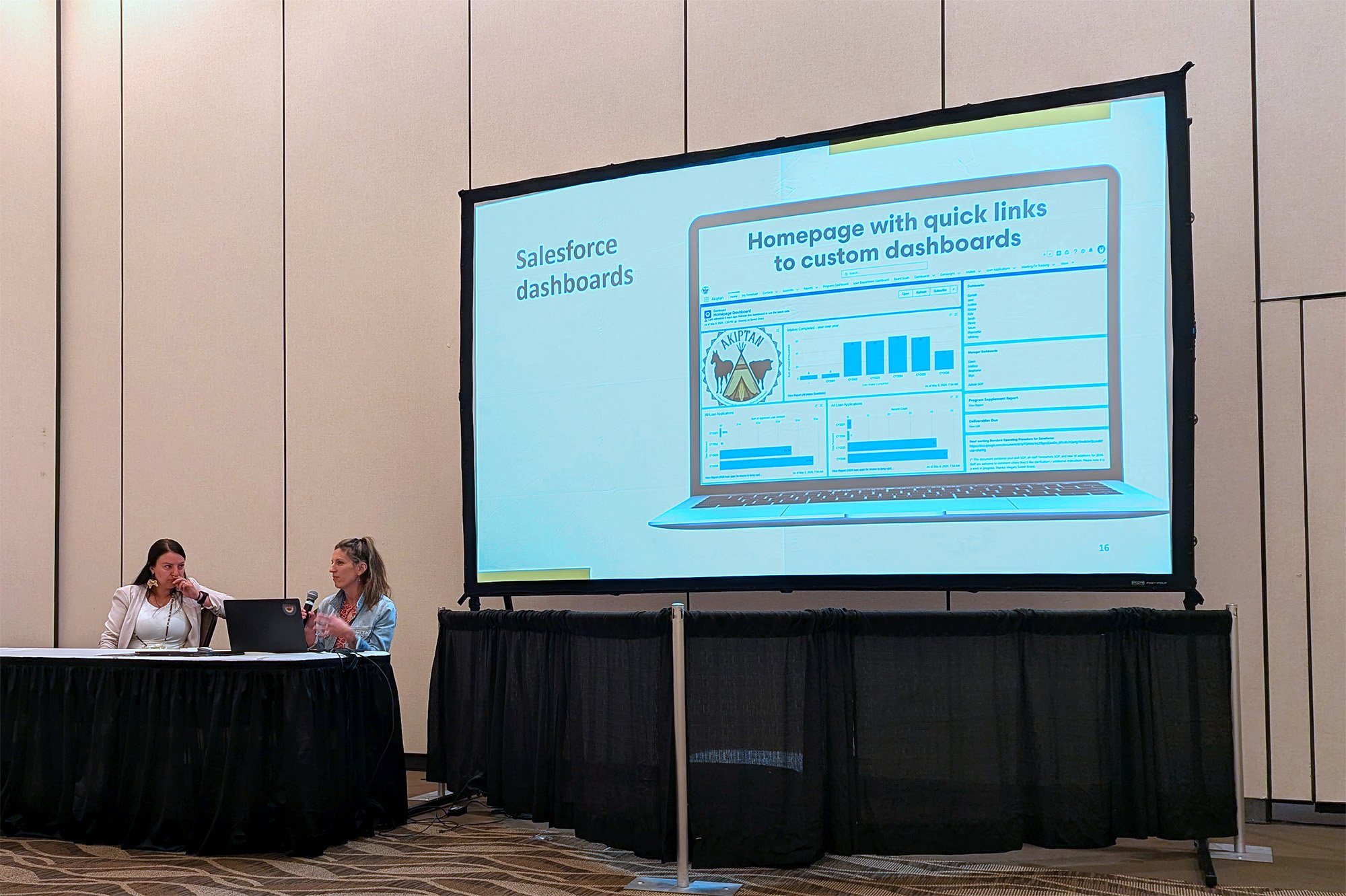
Part of the success of the Yellowbird Fellowship program relies on the impact measurement tools NACDC has employed since the beginning — tools they migrated from OTIS and implemented directly into their Salesforce database system. NACDC’s team can track who's in the fellowship program, what their goals are, how they’re progressing, and what the outcomes are. They track things like:
Did the participant receive a job offer?
Is the participant working in the CDFI industry?
Has the participant increased their skills?
Is the participant able to do their jobs more confidently and efficiently?
The ongoing collection of this data is supported by their Salesforce database system, and with all the information in one place, NACDC continues to build on it and make informed decisions about the program.
This entire journey stems from NACDC’s dedication to data, research, measuring their impact, and their very early investment in database systems to track that impact. Over the last 12 years, NACDC has built a comprehensive data repository of all the knowledge they’ve gained through their research and impact measurement efforts.
We recently highlighted the impacts of this investment in our Salesforce video series featuring Native CDFIs and found that:
Every dollar NACDC has invested in software, consultants, and time has resulted in almost $33 in grant and loan capital. That’s $491,000 spent for $16 million leveraged.
The cost savings resulted in 1,318 more loans from 2021–2025.
Their investments have helped grow their team by 50% since 2019.
Success comes when curiosity, answering questions, and using data and information to make informed decisions can all come together. We’ve seen this time and time again in impact tracking, and NACDC is one of the best examples of this journey. It’s not easy. It takes time and investment, and it ebbs and flows, but with a sustained organizational value structure and investment in internal capacity and culture, the results can be astounding.
*The Yellowbird Fellowship was named after Eloise Cobell (“Yellow Bird Woman”), a member of the Blackfoot Nation who fought tirelessly for government accountability and for Native Americans to have control over their own financial future.
Share