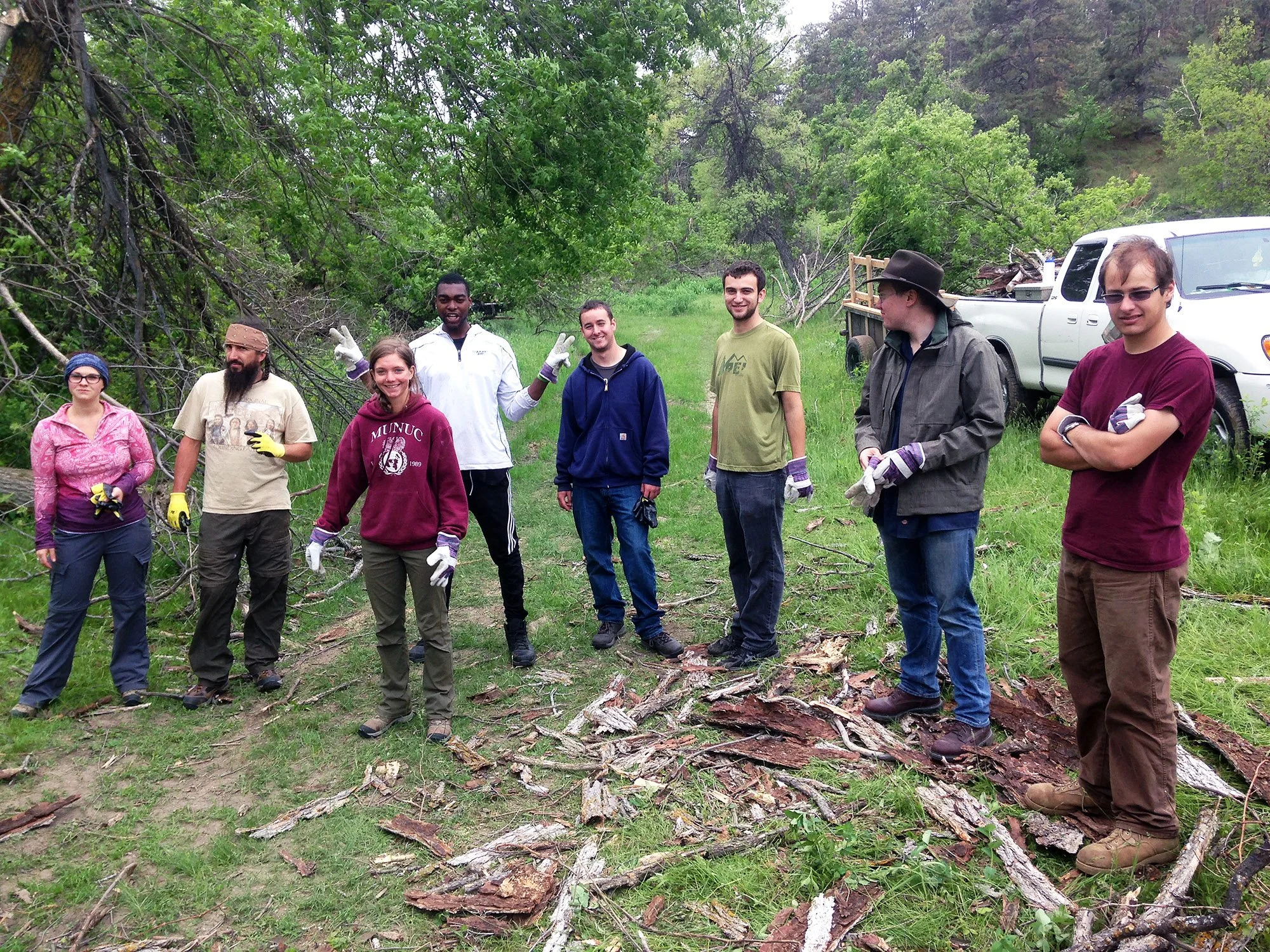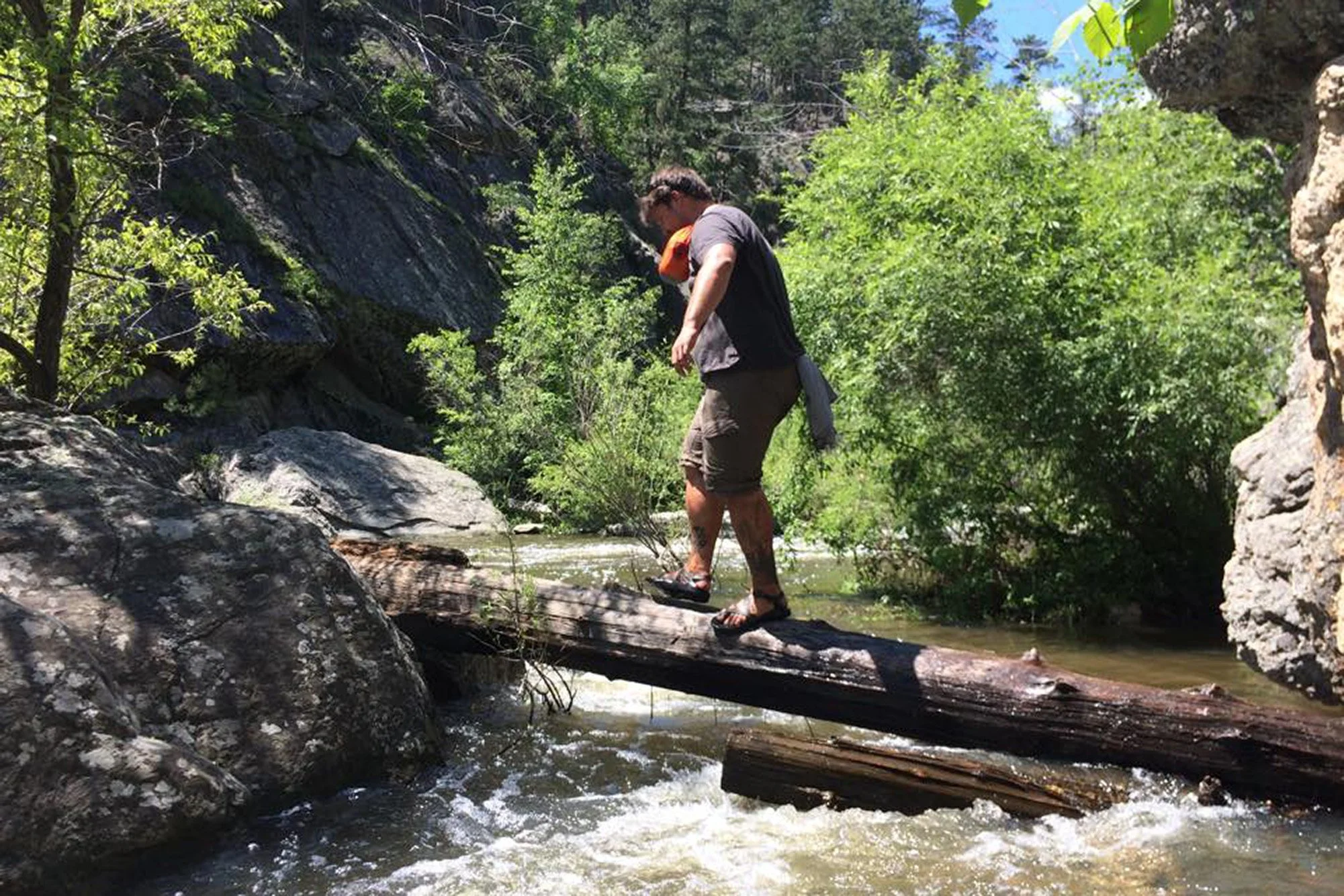
Josh traverses a stream during Sweet Grass field school in the Black Hills, South Dakota, in 2015.
When I began studying anthropology, I wasn’t imagining a career in technology. I was interested in people, how they make decisions, how their circumstances shape their options, and how research can help us understand those experiences. Those questions still guide my work today, even though the tools have changed.
Today, as an associate implementation director at Sweet Grass, I partner with nonprofits, public sector agencies, and human services organizations to design Salesforce systems that support their missions. I view my role as equal parts facilitator, translator, and navigator, helping teams think through their goals, understand their options, and find practical, sustainable paths forward.
Finding my direction
My path wasn't linear. Early on, my work spanned everything from nuclear power plant operations to manufacturing lawn tools. While I held an undergraduate degree in anthropology, I hadn't yet found the right outlet for it. That changed in 2012 when I decided to dive into graduate studies in medical anthropology.
During grad school, I met Michael and Andrea, co-founders of Sweet Grass. Attending Sweet Grass field school on the Cheyenne River and Pine Ridge Reservations in 2014 was a pivotal moment. It showed me what applied anthropology looked like in action and how we can use research to help communities explore their own priorities and drive meaningful change. Inspired by this mission, I joined Sweet Grass later that year.
Alongside my consulting work, I conducted academic research on food insecurity and agency within the Cheyenne River Reservation, studying how systemic factors influence decision-making and access to healthy food. At Sweet Grass, I brought that same commitment to context and empathy into needs assessments, impact evaluations, and community studies.
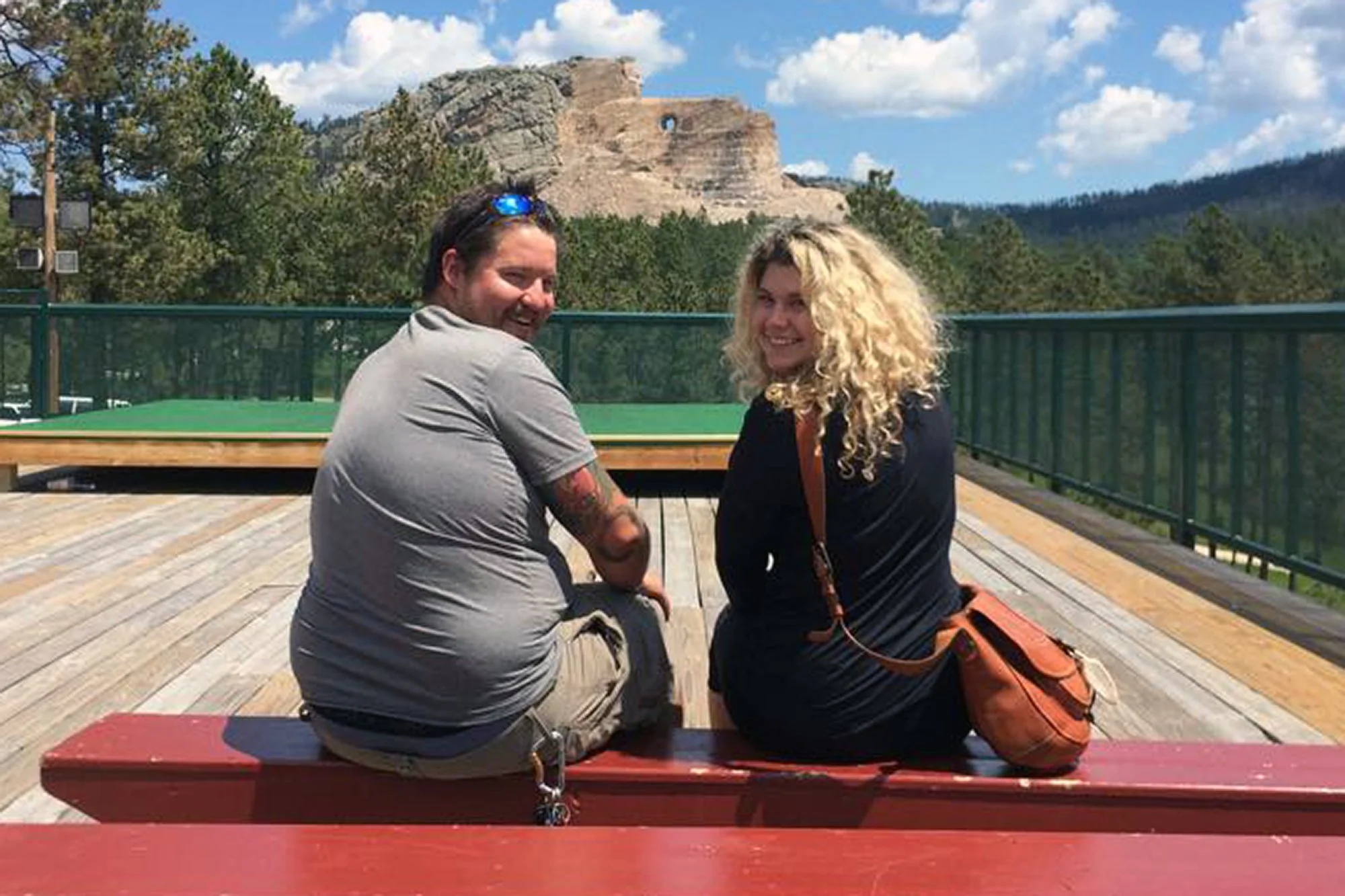
Josh with his (now) wife, Alex, during Sweet Grass field school at the Crazy Horse Memorial, South Dakota in 2015.
Becoming an accidental admin
Throughout these projects, I saw how much knowledge our partner organizations held about their communities and services. Bringing information together from paper forms, spreadsheets, and staff experience could take considerable time and effort, especially as programs and reporting needs grew. Many already had Salesforce and wanted to make greater use of it, often without a dedicated administrator. I began learning platform configuration, workflow automation, impact measurement, and custom reporting. Before long, I became an informal virtual admin for several nonprofits.
Like many tech professionals in the social sector, I became an “accidental admin.” There wasn’t one moment when I decided to move into technology; it grew out of the work I was already doing and conversations about what would be useful to our clients. What started as a practical way to streamline client research evolved into a fulfilling career focus.
In 2020, I expanded my scope by stepping into broader Salesforce consulting. Over the next few years, I led multi-disciplinary teams across K–12 schools, community colleges, and nonprofits, while also consulting independently on tech strategy, process refinement, and impact measurement.
These experiences deepened my understanding of what makes tech partnerships thrive. Returning to Sweet Grass in July 2026 felt like coming home, bringing full-circle lessons from tech consulting back to where my research and community advocacy journey began.
Returning to Sweet Grass in July 2026 felt like coming home, bringing full-circle lessons from tech consulting back to where my research and community advocacy journey began.
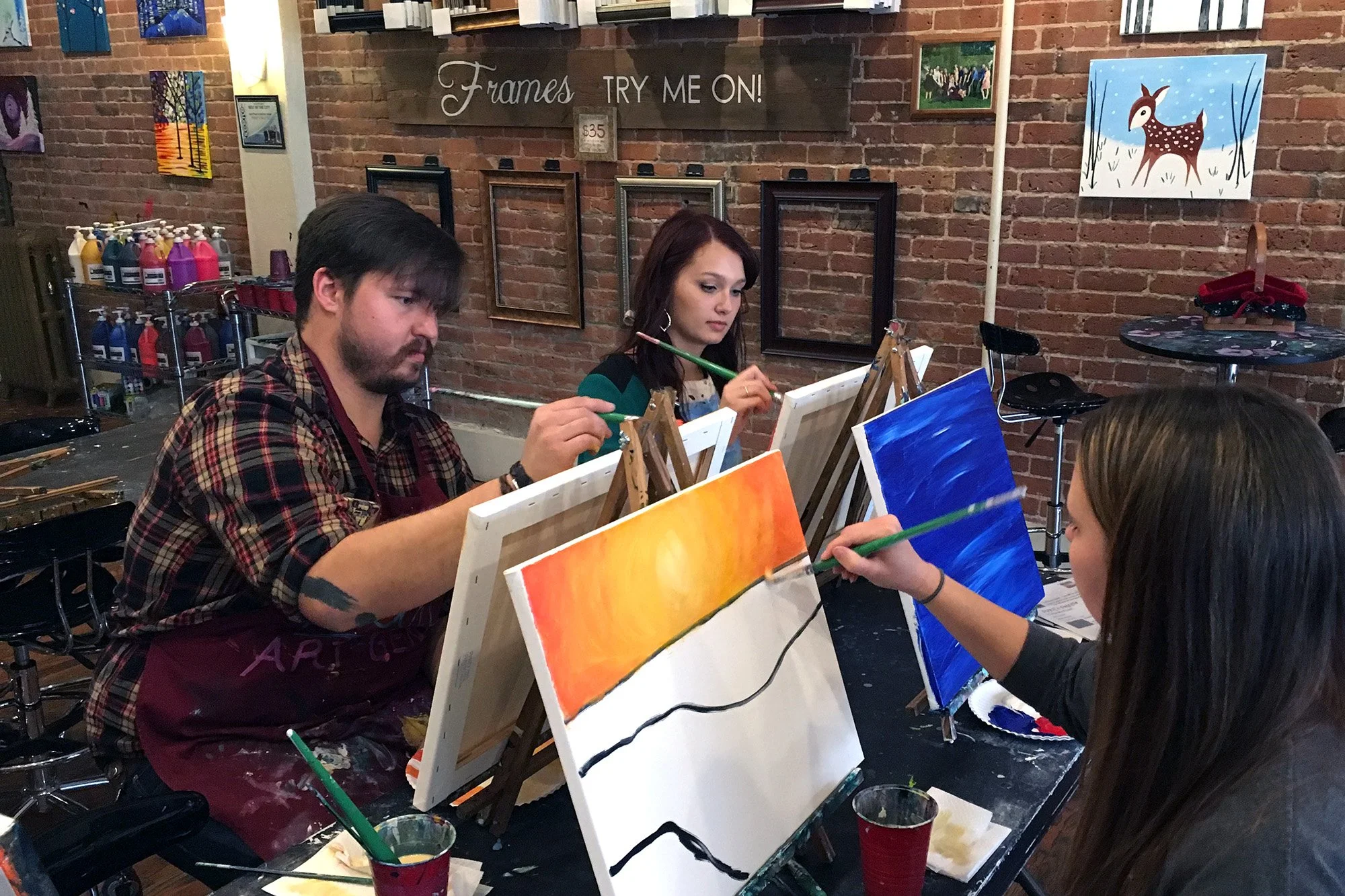
Josh paints at the Sweet Grass holiday party in Loveland, Colorado, in 2015.
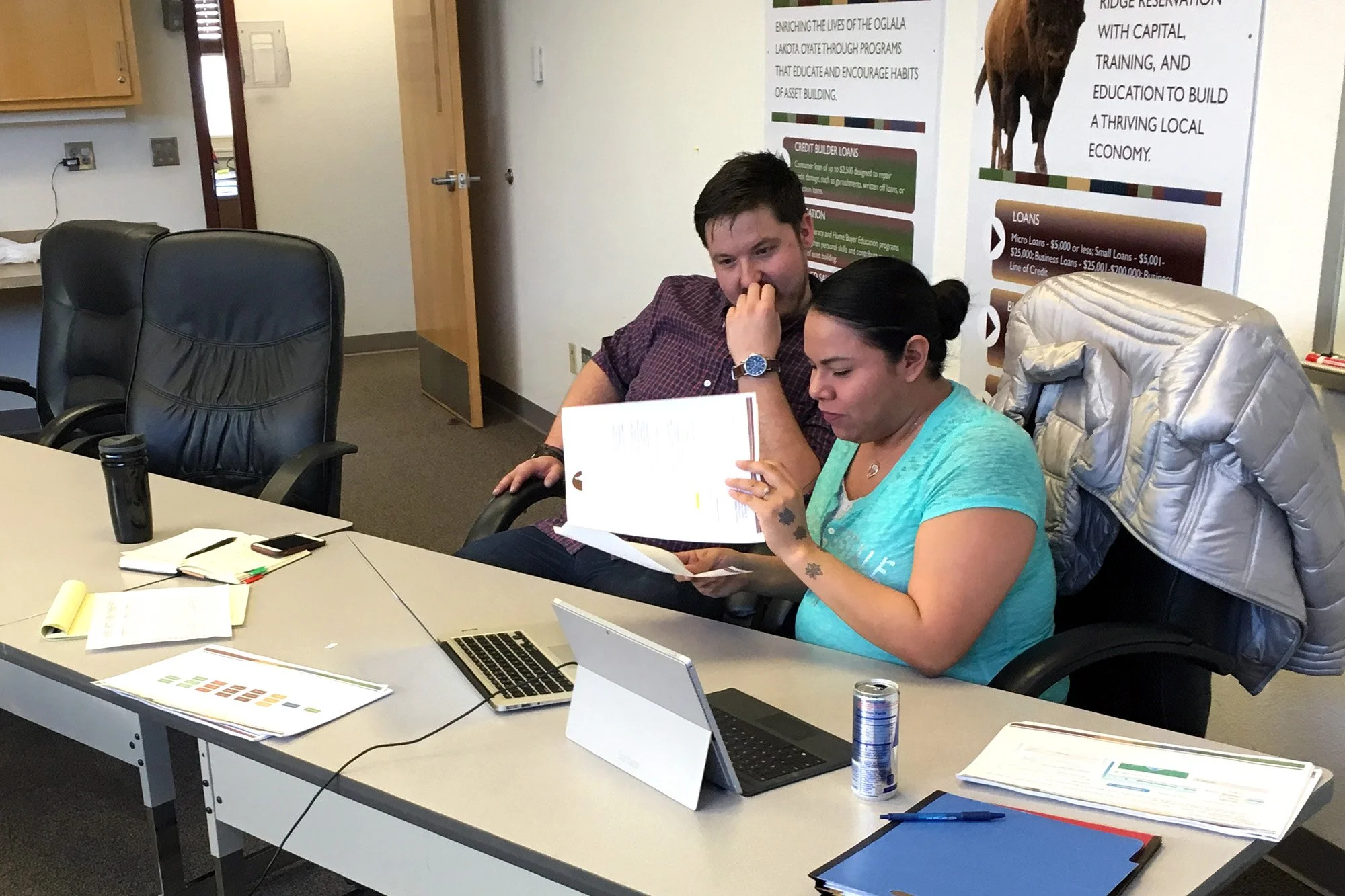
Josh works with staff at Lakota Funds in Kyle, South Dakota, in 2016.
Understanding the people behind the system
Before I build a single field or automation, I start with the people. How does their day-to-day work unfold? Where do they hit friction? What information do they actually need to succeed? A simple request for a new form often opens up vital conversations about broader team workflows.
My role bridges human conversations and technical implementation. I might configure Salesforce, design an automation, or improve data quality, then meet with a client to talk through a workflow. A conversation can reveal a detail that changes how I approach a build, and working through a configuration can uncover questions we need to revisit together.
Throughout that process, I’m thinking about both the immediate experience of using a system and what it will take to maintain it over time. Outdated configurations, workarounds, and quick fixes can accumulate into what we call “technical debt,” layers of complexity that make future changes more difficult. Helping clients manage that complexity is part of building something they can sustain as programs grow, staff change, and new needs emerge. At the same time, the system has to work for the person using it today. Staff have communities to serve, programs to run, and relationships to maintain. Collecting information should fit into that work in a way that makes sense.
One of my favorite moments is when a client realizes, “It doesn’t have to be this way.” A cumbersome process or recurring frustration may have become so familiar that people have stopped questioning it. Talking it through together can reveal an opportunity to make a meaningful change. Helping someone see that possibility, then building a solution that gives them back time to focus on their work, is deeply rewarding.
What connects it all
Looking back, my transition from anthropology to Salesforce feels more natural than I once expected. I’m still asking questions about people, the circumstances they work within, and how understanding their experiences can help us build better systems. Our clients bring knowledge of their communities and programs, and I enjoy helping them translate that knowledge into technology that supports their work.
I’m excited about our new technical assistance and managed services packages and the opportunity to support clients over the long term. Through ongoing guidance, training, and maintenance, we can help teams build confidence using Salesforce and make thoughtful improvements as their needs evolve.
My journey has taught me that useful systems grow from listening, collaboration, and an understanding of everyday work. Whether I’m connecting workflows, simplifying reporting, or helping staff learn a new feature, I try to bring that same approach of understanding the context, working through the details together, and building something people can sustain.
If your organization is exploring how Salesforce could better support your work, I’d welcome a conversation. I’m grateful to the Sweet Grass team, the mentors and colleagues I’ve learned from, and the clients who trust us to build alongside them. Those partnerships continue to shape what I learn and what comes next.
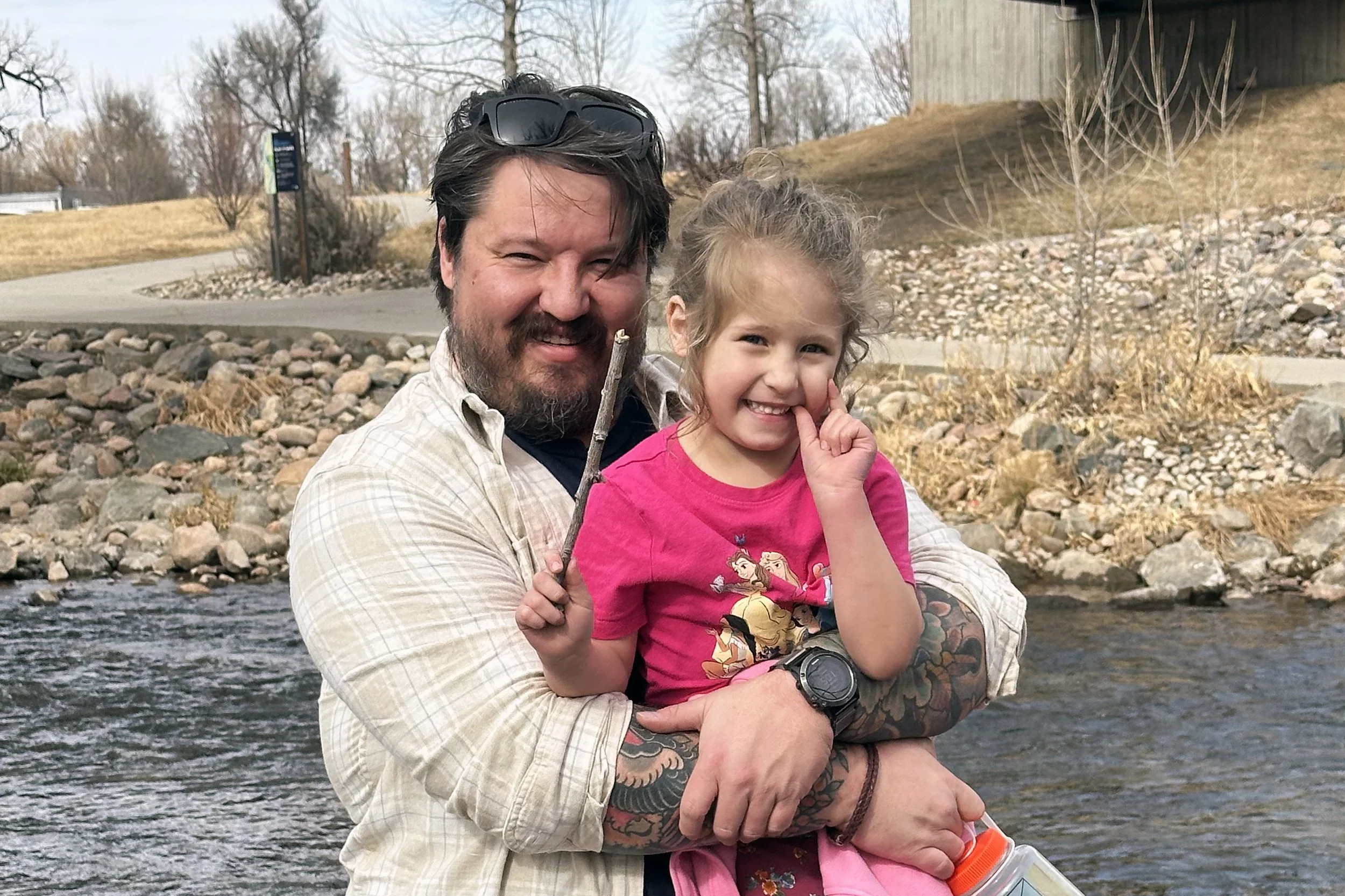
Josh with his daughter, Aela, at Poudre River in Fort Collins, Colorado.
Share