From grant writer to Salesforce administrator, a 360 view on measuring nonprofit impact
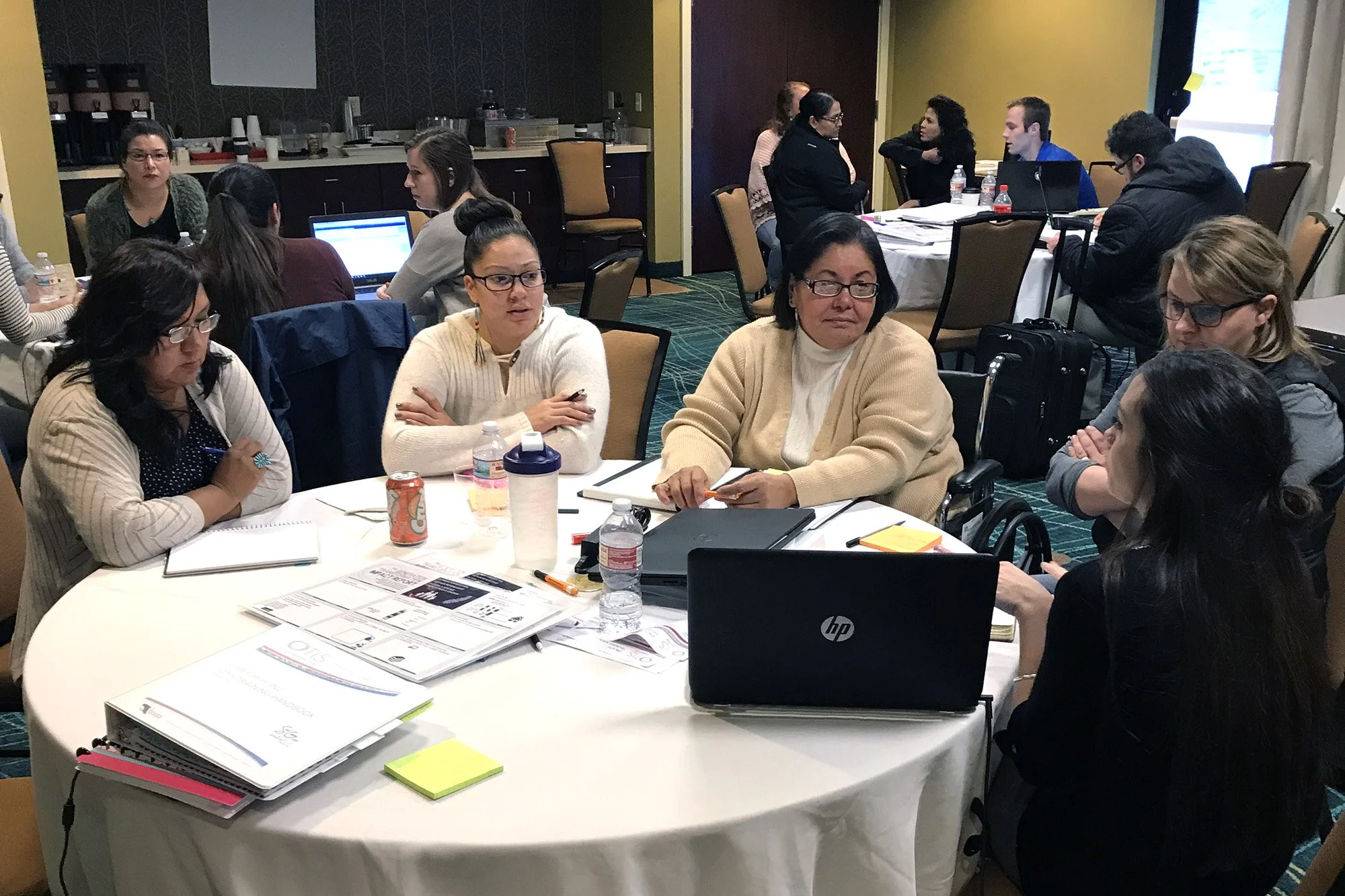
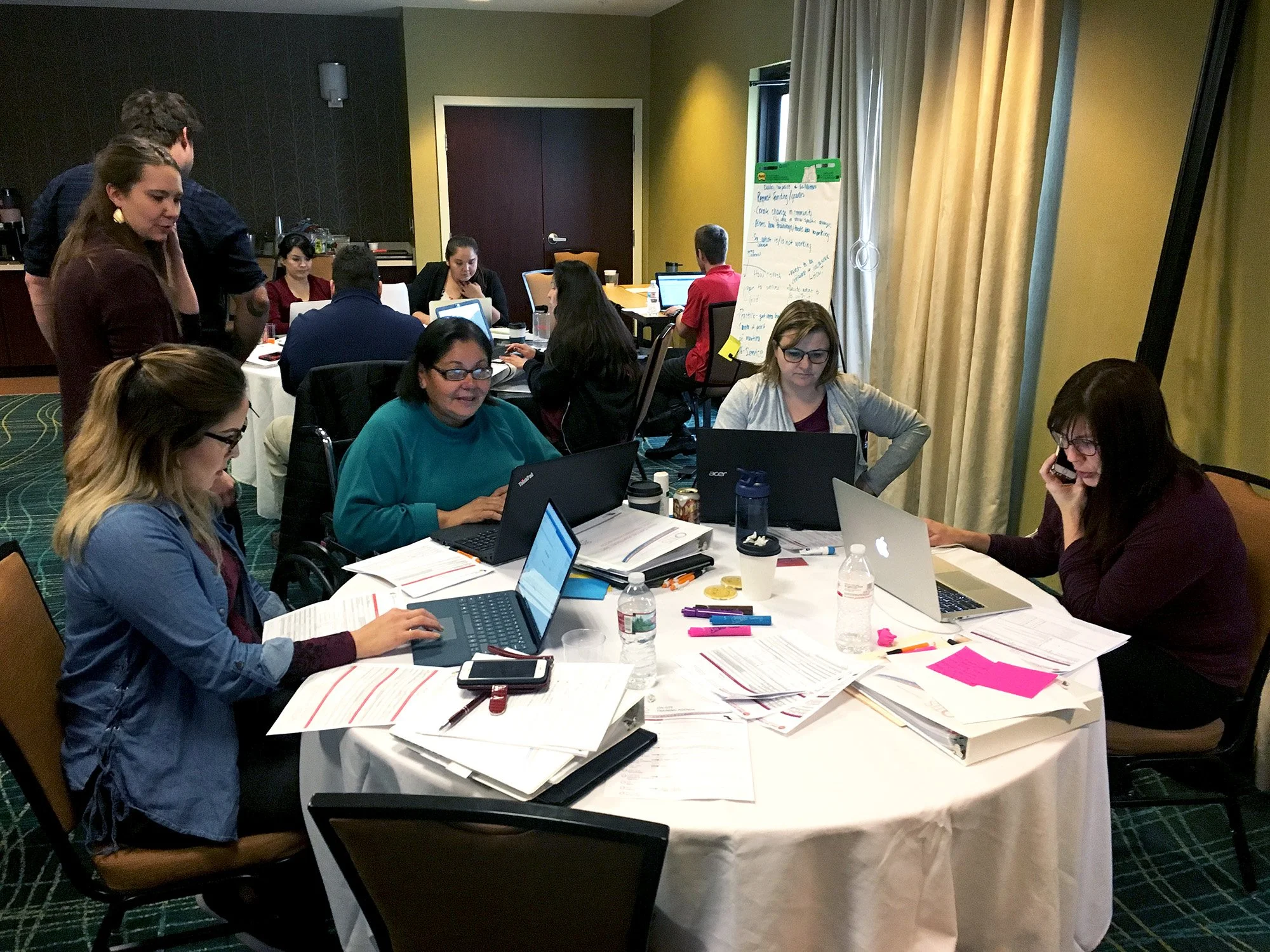
Participants learn how to use a new outcome tracking system.
Like so many Salesforce Administrators, I accidentally fell into systems work by happenstance. My roles in nonprofit operations and development eventually shifted to helping organizations learn to make the most of their Salesforce systems. Before that, I was a writer, editor, and educator, and writing mission-focused grant proposals is what led me to building capacity around data management. I did enjoy writing about impact, but I wanted to be part of the teams creating it.
My first real exposure to Salesforce came when I stepped into a development director role with a nonprofit conservation group in Alaska. When I was hired, a team of consultants was in the process of replacing an aging Microsoft Access database that had been built years earlier. As the organization grew, so did its need for robust data tracking. A grant made the transition possible, and Salesforce was the logical choice. The timing, in hindsight, was ideal. I spent just enough time with the old database to understand its limitations: the workarounds, the inefficiencies, how it hindered staff from doing their jobs. Then I was trained on the new system by the professionals who built it. In no time at all, once our team began using it, we wanted to expand on what we had, explore its capabilities to suit our day-to-day requirements, and learn how to make it our own. When time allowed, I taught myself how to flex the system, and I loved it.
Fast forward a few years, I found myself at another nonprofit in the Pacific Northwest that needed to track its funding sources and volunteer engagement. With no budget for tech, I was trusted to develop a solution and given the gift of time to do it. I built Salesforce for that org, and then two more, but always as side projects. Ultimately I decided this kind of work was for me and joined a consultancy full time, helping nonprofits realize the value of their new, or sometimes neglected, Salesforce systems.
What followed was so rewarding. I helped a very small, rural, mostly volunteer agency learn how to better manage the services it provided to people fighting cancer. I delivered intensive training to a team that wanted to develop their in-house expertise in a complex system for mental health legal advisers to track their work. I coordinated training for a global human rights organization with teams in Japan, Australia, New York, and Germany. I coached users tasked with arranging safe harbor for unaccompanied minors at the border, helping them coordinate transportation from border facilities to safe foster homes, assign and track case management, manage prescriptions, and reunite minors with their family members. All such important work.
All these organizations had unique needs that required custom solutions. One of the things I bring to my work now is the perspective of someone who has been on the client side. I’ve been the person responsible for reporting to funders, tracking program outcomes, managing donor relationships, and trying to make sense of data that live in too many places. I understand what it feels like when a system is supposed to help, but instead becomes one more barrier to getting the work done. I’ve dusted off my nonprofit operations expertise to advise teams in the development of business processes where there were none, and then built them out in Salesforce.
The importance of centering the user
Something that became evident early on is that you can build something technically sound, but if the people using it don’t feel confident and don’t understand how to use what they have, it’s worthless. That’s why I focus so much on helping organizations build systems that reflect their actual day-to-day work, and I follow that with training, consistency, and continued communication.
Much of our work at Sweet Grass supports tribal organizations and community development financial institutions (CDFIs) in loan management, financial literacy coaching, and community-centered services. These are organizations doing complex, deeply impactful work, and their systems need to support that complexity without adding unnecessary burden.
In my experience, the most successful implementations share a few common traits. First, they are grounded in real-world use. That means taking the time to understand how work actually happens, how staff move through their day, where handoffs occur, and where friction shows up (and recognizing this as the opportunity it is). Second, they prioritize user confidence. Training is an essential process that builds familiarity, shared language, and comfort with the system. When users feel confident, they’re more likely to engage, ask questions, and help evolve the system over time. And third, they recognize that technology requires ongoing care (the opportunity I mentioned a moment ago).
For organizations that already have Salesforce in place, one of the most important concepts to understand is that it’s not a “set it and forget it” system. Needs change, programs evolve, staff turn over, and new reporting requirements emerge. Without ongoing attention and consistent use, even a well-built system can start to drift out of alignment. That’s where managed services come in. A critical component of managed services is the time spent building internal capacity, training key staff to have ownership, and giving users a voice.
At its best, a managed services engagement is an active partnership. It typically includes regular meetings, a shared backlog of work, and ongoing communication in between those meetings to keep things moving forward. It’s not a hands-off “you handle it” arrangement. In fact, the most effective engagements are the opposite: They rely on consistent collaboration between your team and your consultant.
Without ongoing attention and consistent use, even a well-built system can start to drift out of alignment.
That collaboration also benefits from having a designated internal point person, someone on your staff who has the most technical aptitude or system familiarity. They don’t need to be a Salesforce expert, but they do play a critical role in helping prioritize work, provide context, and keep communication flowing. When that structure is in place, managed services become an important way to continuously improve your system rather than letting it stagnate.
What I enjoy most about my role is helping organizations replace cumbersome processes with ones that are streamlined, especially when they lead to reports that reflect the work in a way that finally feels accurate and useful. I also value the relationships that grow along the way. For me it’s about the people and the work they care deeply about.
My path, from writer to nonprofit professional to Salesforce consultant, might not be linear, but each step informs how I approach this work today. I bring a systems mindset built on lived, operational experience, a focus on communication and training from my background as an educator, and respect for the complexity of the organizations we serve.
At the end of the day, my goal is to translate business processes into effective data systems that actually work for the people using them.
Share