Indigenous environmental stewardship: A cultural and communal calling
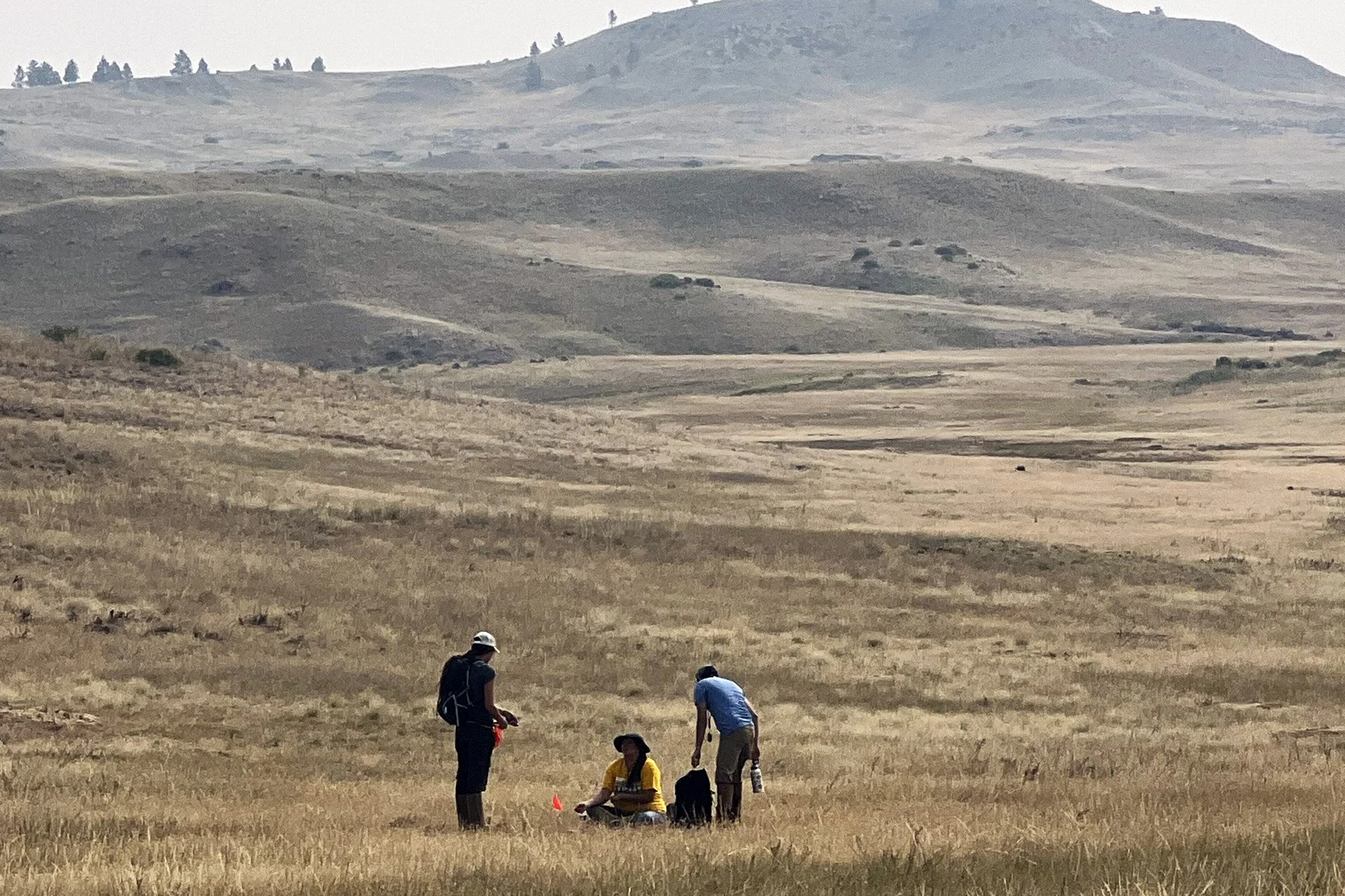
Photo courtesy of Adriann Killsnight.
Surrounded by rugged plateaus filled with prairie sage and ponderosa pines, Adriann Killsnight He’heenóhká’e (Blackbirdwoman) was raised on the high plains of southeastern Montana on the Northern Cheyenne Reservation. Her earliest education began outdoors. She remembers endless days spent hunting and gathering, and learning lessons from the land before she ever stepped foot inside a classroom. Her father was one of her first teachers. He taught her about traditional lifeways and showed her how to move with respect, how to observe, and how to recognize the wisdom of all living beings.
Like Adriann, many Native youth discover the natural world through personal exploration and their elders’ teachings. Curiosity, humility, and responsibility are principles passed from generation to generation, influencing vast systems of ecological care. Tragically, despite their reverence and respect for the land, many Indigenous communities are on the frontlines of climate change and suffering some of its most cataclysmic effects.
A history of land dispossession
Tribes have lost nearly 99% of their homelands due to forced relocation and land theft by the US government. Pushed to the “least desirable” areas of the country, their ancestral food systems and community networks were decimated. Now, climate effects are making these areas among the most vulnerable.
Researchers from Yale University conducted a seven-year study to both quantify Native land loss and qualify current land conditions. They found there were more extreme-heat days and increased wildfire risk on present-day lands compared to historical lands, and that “Indigenous people face a disproportionate vulnerability to climate change impacts.” With limited access to financial resources, Native communities are withstanding compounded environmental hardship.
As historic floods, devastating droughts, and melting sea ice continue to threaten their way of life, Indigenous activists and educators are fighting to protect sacred land and stop climate destruction. Leaders at tribal colleges and universities (TCUs) know this well. They’re blending traditional ecological knowledge (TEK) and Western science to create the next generation of Indigenous scientists, biologists, and ecologists leading the fight for environmental justice and land stewardship.
A growing number of policymakers believe Indigenous knowledge is key to fighting climate change, and some universities are already integrating it into their programming. Tribal colleges and universities are taking Indigenous knowledge much further. Aaniiih Nakoda College, a tribally controlled college on the Fort Belknap Indian Reservation, embeds Aaniinen and Nakoda teachings throughout its entire curriculum. Classroom, laboratory, and field-based instruction is based on the same care for living systems that has sustained Indigenous peoples for millennia.
The American Indian College Fund provides scholarships to Native American students and assistance to TCUs throughout Indian Country, including Aaniiih Nakoda College. Since its founding in 1989, the College Fund has given over $208 million in scholarships to Native students and over $13 million in program support to tribal colleges. An impressive 93% of College Fund scholars are using their degrees to give back to their communities.
Leaders are making a home
Adriann Killsnight was one of seven Indigenous leaders we interviewed for the College Fund’s Tiyata Wan Unkagapi (We Are Making a Home) Environmental Stewardship Program. The program promotes environmental science at TCUs across the Northern Great Plains and assists students pursuing ecological careers.
Some of the leaders we talked to, like Adriann, have advanced degrees and decades of knowledge. Some are recent graduates who bring fresh enthusiasm to ecological and cultural revitalization. Some, like Shaun Grassel, are leading nonprofits that help Native Nations protect their traditional lands and waters.
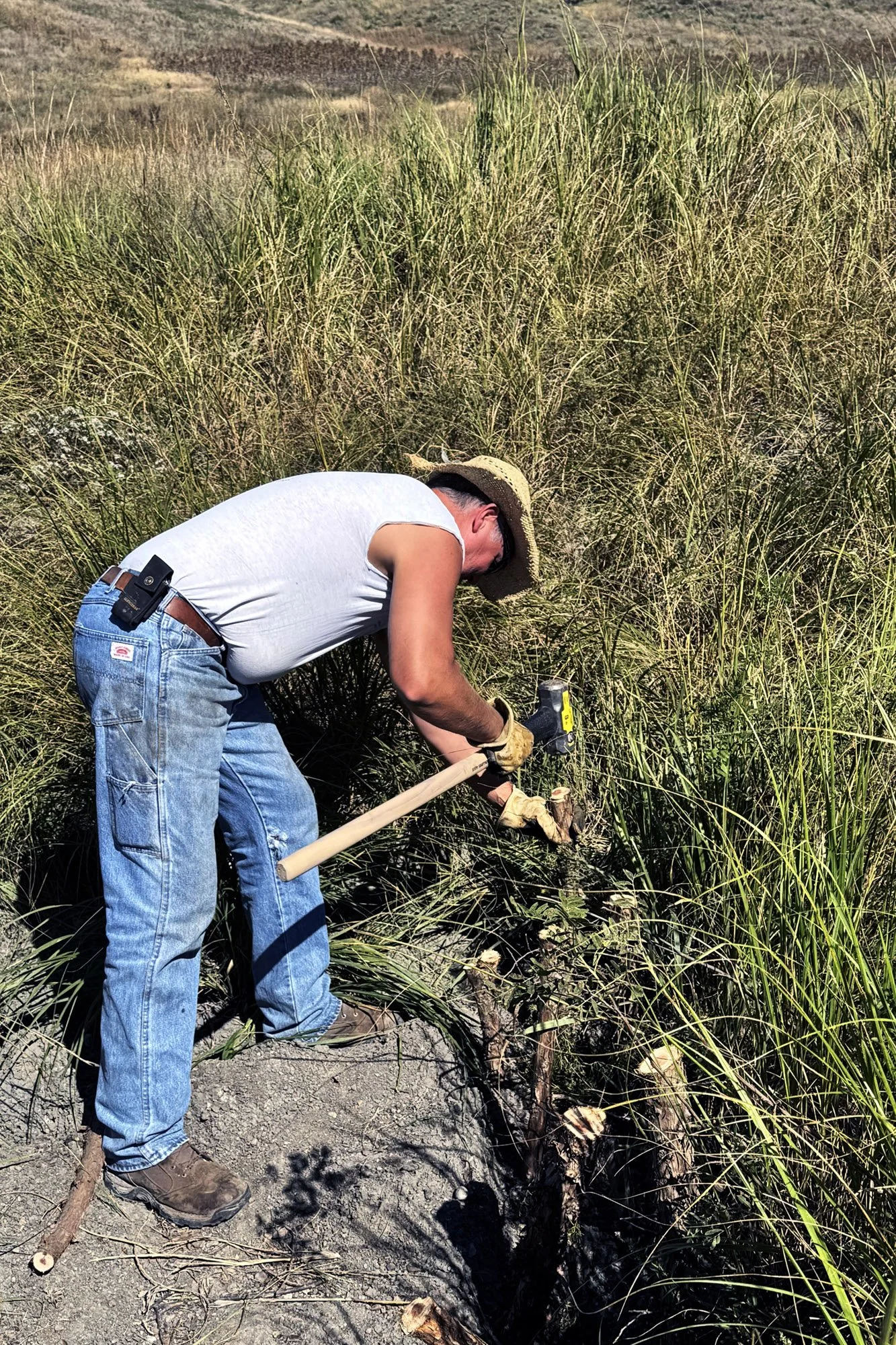
Photo courtesy of Shaun Grassel.
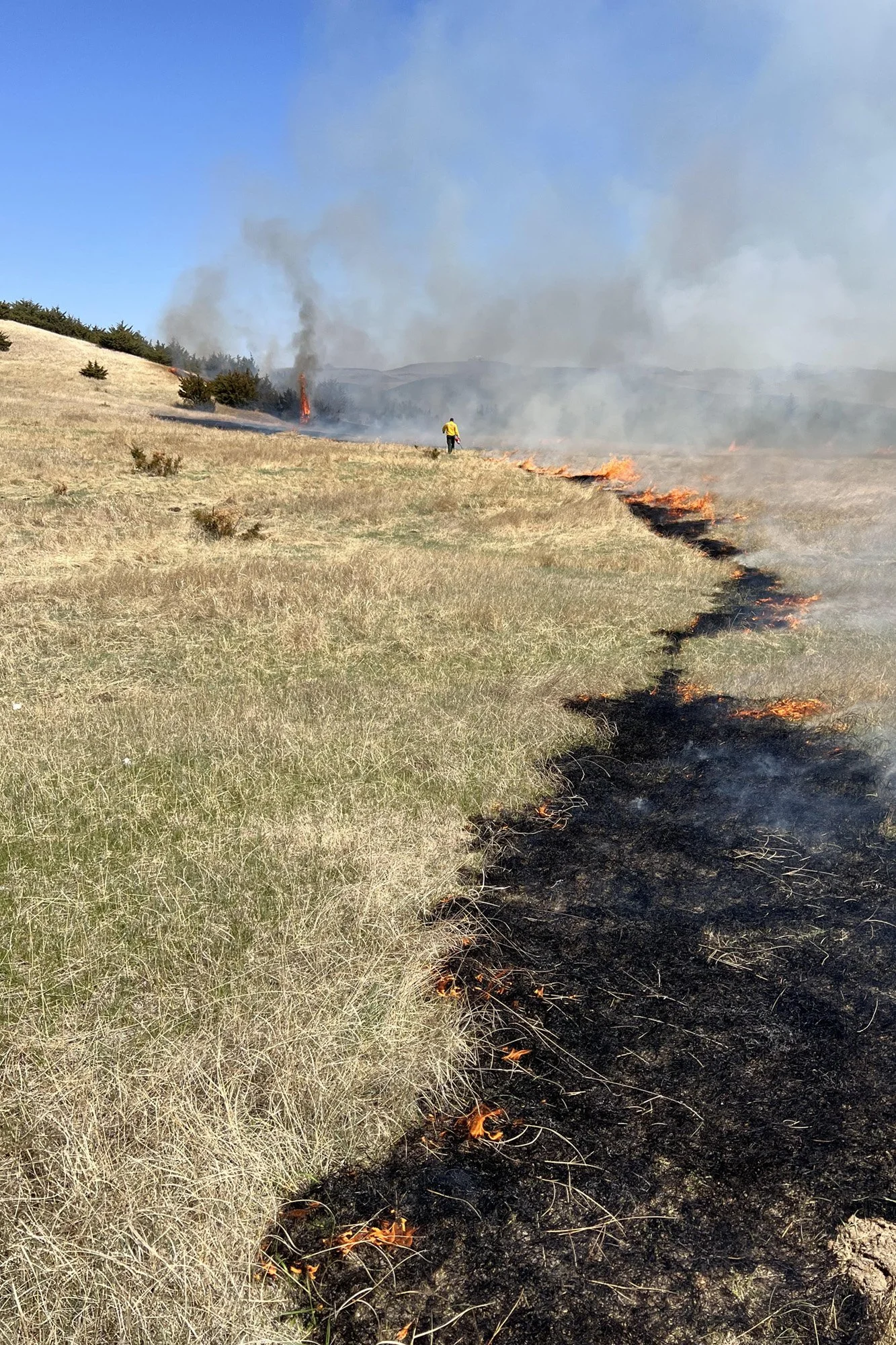
Photo courtesy of Shaun Grassel.
As a kid, Shaun learned by wandering river banks and listening to the quiet teachings of the prairie across the land where he grew up. He’s a member of the Lower Brule Sioux Tribe in South Dakota, and the grasslands he once explored as a child have now become the focus of his career. The area is known for its expansive mixed-grass prairies and gently rolling hills. Sweeping vistas of prairie grasslands still remain, but much of this unique ecosystem has been destroyed by Western expansion and overgrazing. Shaun and other tribal experts with extensive knowledge and appreciation for the plains are leading prairie restoration efforts and rebuilding what’s been lost.
Sustainable funding is a massive barrier to Native-led land restoration in the Northern Great Plains. The organization Shaun leads, Buffalo Nations Grasslands Alliance (BNGA), seeks to remedy this by bringing together tribes, government agencies, and non-government entities to strengthen tribal conservation programs. Through strategic partnerships, financing, and technical expertise, BNGA is helping Native Nations restore critical grasslands for future generations.
Shaun credits his family with the lessons he’s learned about nature. He spent countless hours outside with his siblings, and with his mother encouraging their curiosity. His grandfather was the first game warden for their reservation, and his great-uncle was a commercial trapper who lived off the land until he was 103. They both modeled a life of purpose and profound connection to the land.
Each environmental leader we spoke with is bridging the gap between Indigenous knowledge and scientific practice. Each is advocating for their homelands and culture. Each is passing knowledge. Each says family and the land are their greatest teachers.
The ongoing story of climate risk is still being written. It remains to be seen if lawmakers and those in power will follow the teachings of the nation’s first inhabitants. Indigenous environmental stewards aren’t wasting any time. They’re building for the future while honoring the past. And they’re using the same wisdom that’s allowed Native Nations to exist in kinship with nature for thousands of years.
“I carry this work for my daughter, my grandchildren, and for those who will follow after.”
—Adriann Killsnight He’heenóhká’e (Blackbirdwoman)
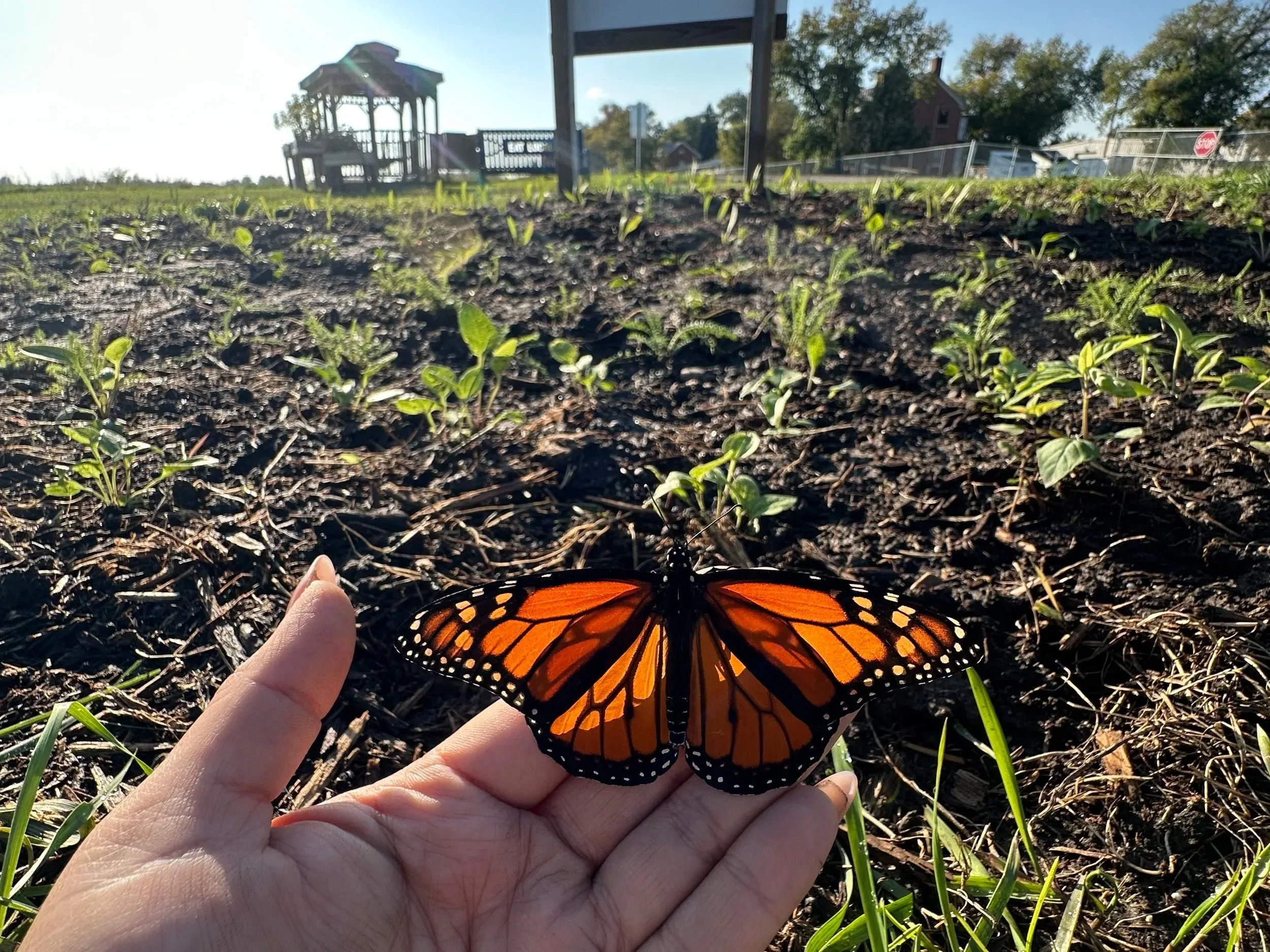
Photo courtesy of Ayanna Maynard.
Read the full interviews with Indigenous environmental leaders in Caring for our kin: Stories of Indigenous environmental stewardship.
Share