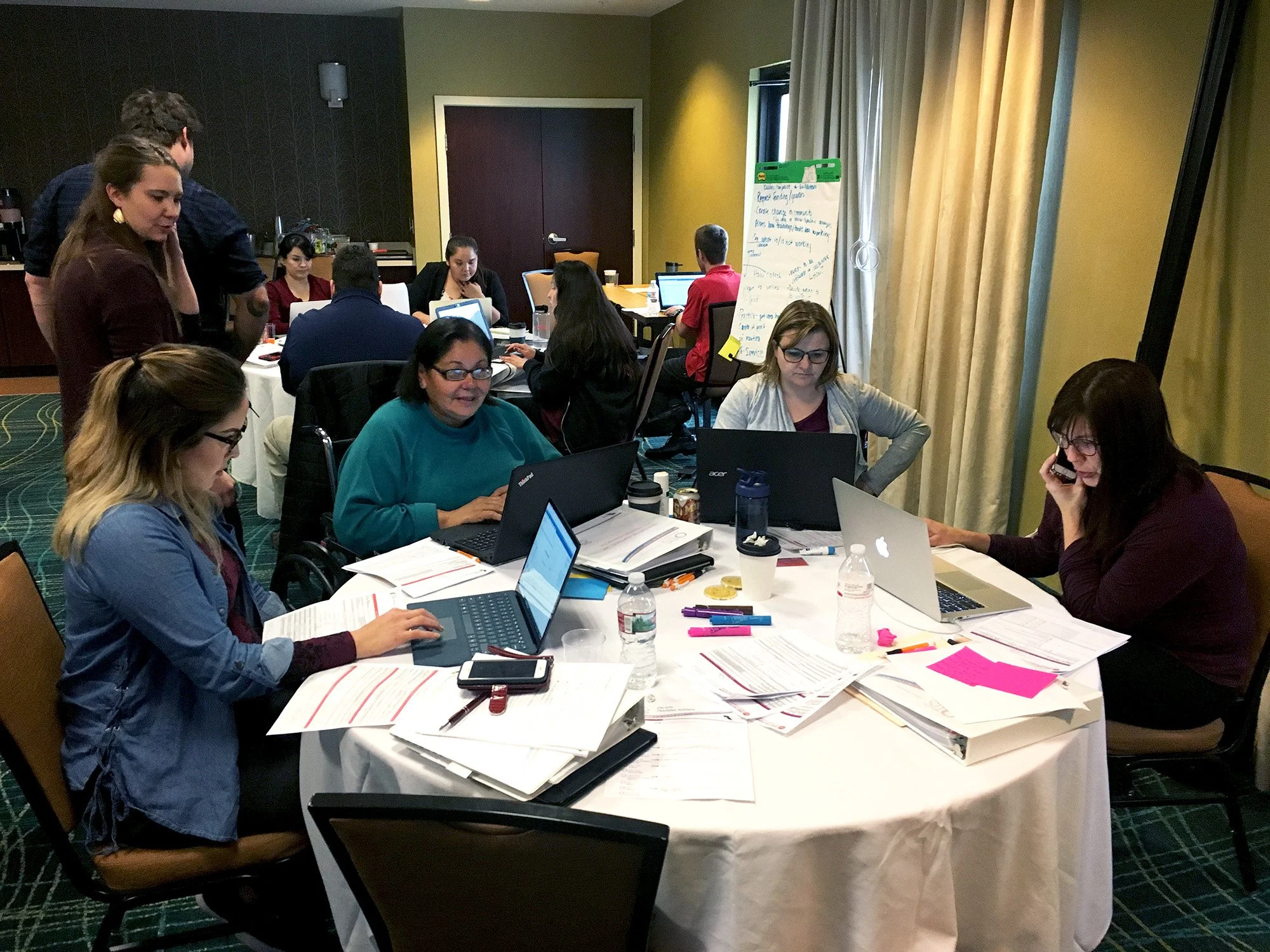
The role of discovery in nonprofit data management

When you’re ready to build a new system as a nonprofit leader, it’s important to know where you are, where you’ve been, and how you got there. It’s exciting to jump in and get going on your new plan, but it’s best to take a moment to assess your situation and chart your path wisely. For implementation and new database builds, this is especially important.
The practice of discovery gives you time and space to truly understand the problems you’re trying to solve. Let’s say, for example, you’ve been struggling with your data collection software for years (or for what feels like years), and you decide to take the leap to a new platform. Discovery helps you get clarity on what your current technology issues are, not just what you think they are. It answers questions like: Where are things getting held up? What features aren’t working for us anymore? What do we need?
Discovery also shines a light on any internal processes that might be slowing you down, regardless of your software. Things like: Are we tracking the right data? Are different teams doing the same work? Is everyone following the same protocol? By doing your due diligence during a discovery phase, you gain more clarity about your products, your processes, and your people.
Remember, your staff are the experts. They know where the struggles are, and they know the best ways to serve your clients. Discovery gives them the opportunity to voice their opinions and make their thoughts known. From their feedback, you may decide to streamline your internal processes before you change your software, or maybe you’ll want to do a full-team deep-dive into your client journey before you do anything else. You might even learn that most of the issues stem from a single source and a total rebuild isn’t necessary at all. Regardless of the outcome, your staff should be a trusted and integral part of the discovery process.
What discovery looks like in practice
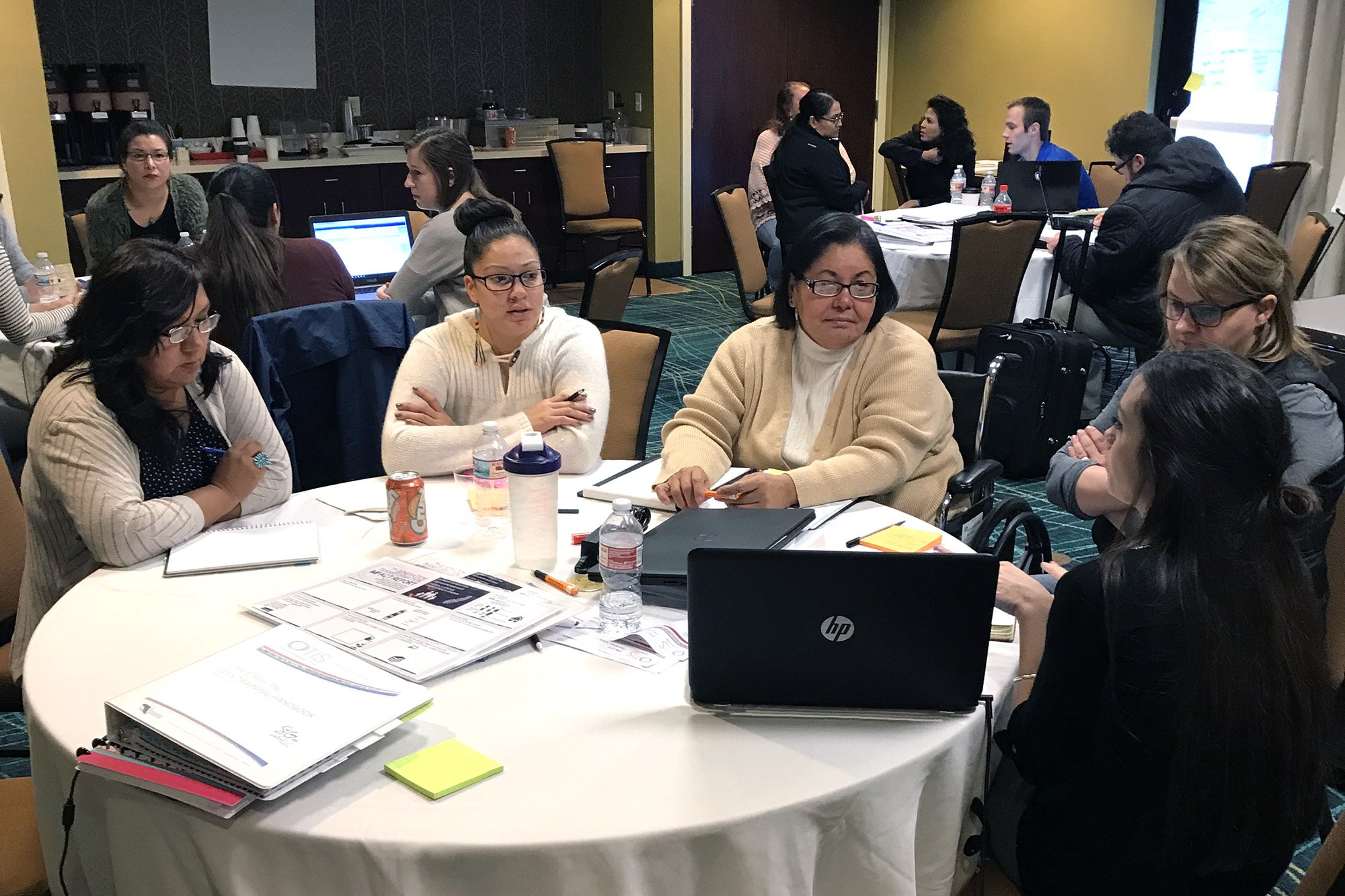
When we engage with a client in the process of discovery, our first step is to learn as much as we can about their current system, tools, and processes. We look at internal documentation and get to know how things are done and who’s doing them. From there, we meet with key staff and stakeholders to get their lived experiences with the organization’s data and processes.
As part of discovery for a project we’re working on with Hawaiian Community Assets (HCA), we attended their standing virtual coffee hour to get staff feedback on their current system (Outcome Tracker) to learn what they like (familiarity and simplicity) and dislike (no integrations or automations and duplicative processes). We also conducted another 11 team and staff meetings to get further insights and feedback. We developed a comprehensive list of questions to guide the discussion but stayed flexible to let the conversations flow without restrictions. This made space for the staff to highlight main pain points and inefficiencies. Building on these meetings, the HCA project team led even more internal discussions and feedback loops to ensure staff had every opportunity to share their insights and ideas. Discovery doesn’t have to be disruptive or a large time commitment from your team — we can build it into existing internal engagements and supplement it as needed.
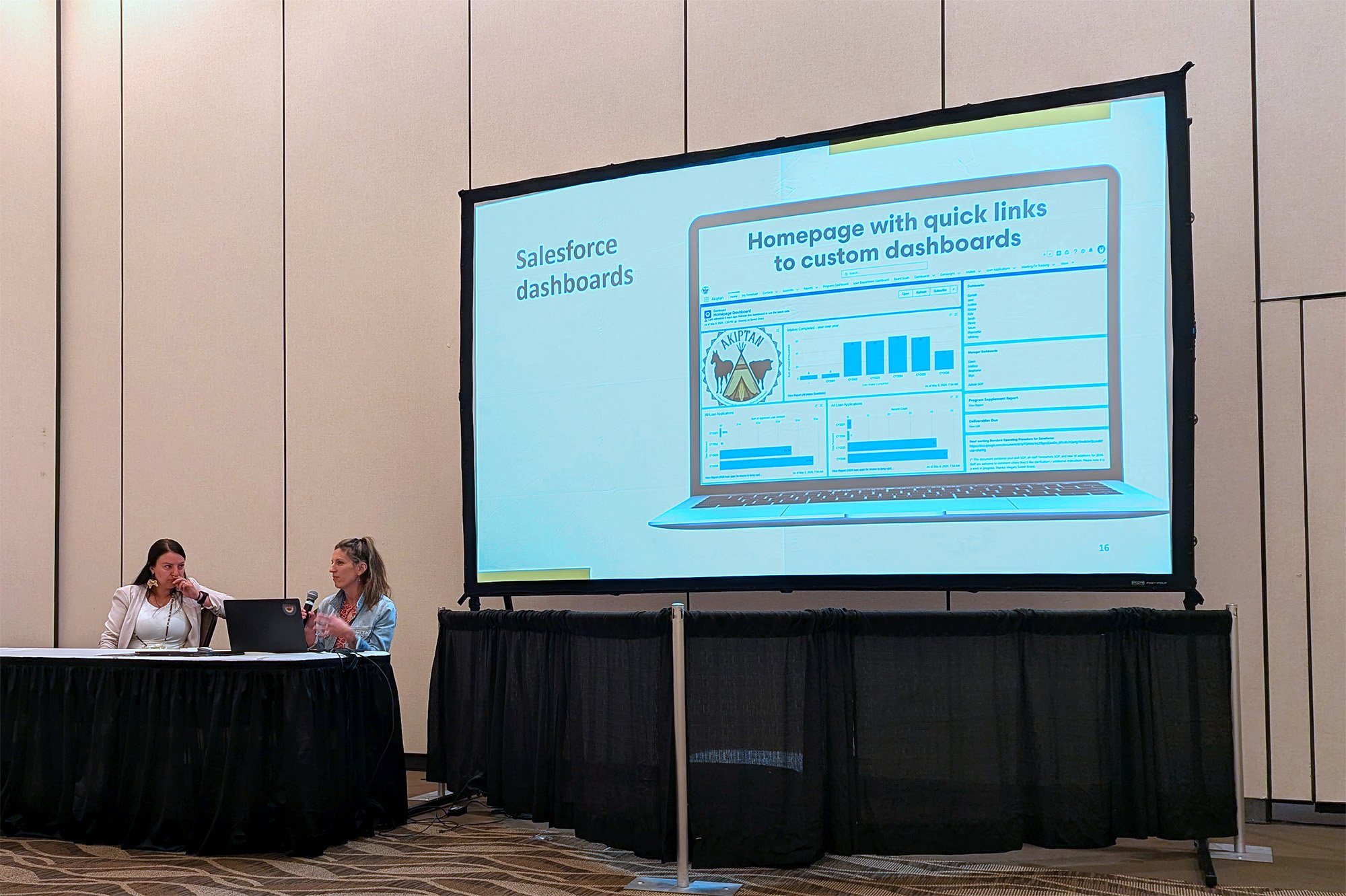
Just as important as revealing the gaps and needs, staff feedback highlighted potential opportunities for HCA. Through a series of interviews and requests for feedback, we asked staff what they hoped to achieve by the end of this process and what they wanted in their future software. We put together a wishlist based on the findings that included things like better dashboards, improved team-to-team visibility, more app integrations, automations, and an improved client experience.
From the data we collected, we presented HCA with a detailed roadmap that outlined each department’s needs, cost considerations, and suitable software recommendations. Because of discovery, we were able to scope a phased timeline with deliverables and milestones, as well as specific roles and responsibilities for each component. Now HCA has the blueprint they need to get started on a new data system that’ll last for years.
With discovery, you’ll get:
An accurate understanding of your current pain points
An opportunity to refine your processes
Team alignment and shared expectations
A roadmap for implementation
A stronger, more sustainable tech solution
Without discovery, you’ll get:
Scope creep
Project diversions
Unexpected costs and delays
An incomplete picture of how your organization functions
Misguided priorities
Discovery doesn’t have to result in an immediate implementation project. After you’ve gathered your data and collected your feedback, there’s a lot to think about and process. It’s like a puzzle: You take all the pieces — data, software, people, and processes — and reassemble them into something new that works for you. And that takes time. But the more you know about how your organization works and what’s important to you, the better.
Share