Promises made and fought for: How the Boldt Decision restored broken treaty rights to tribal fisheries
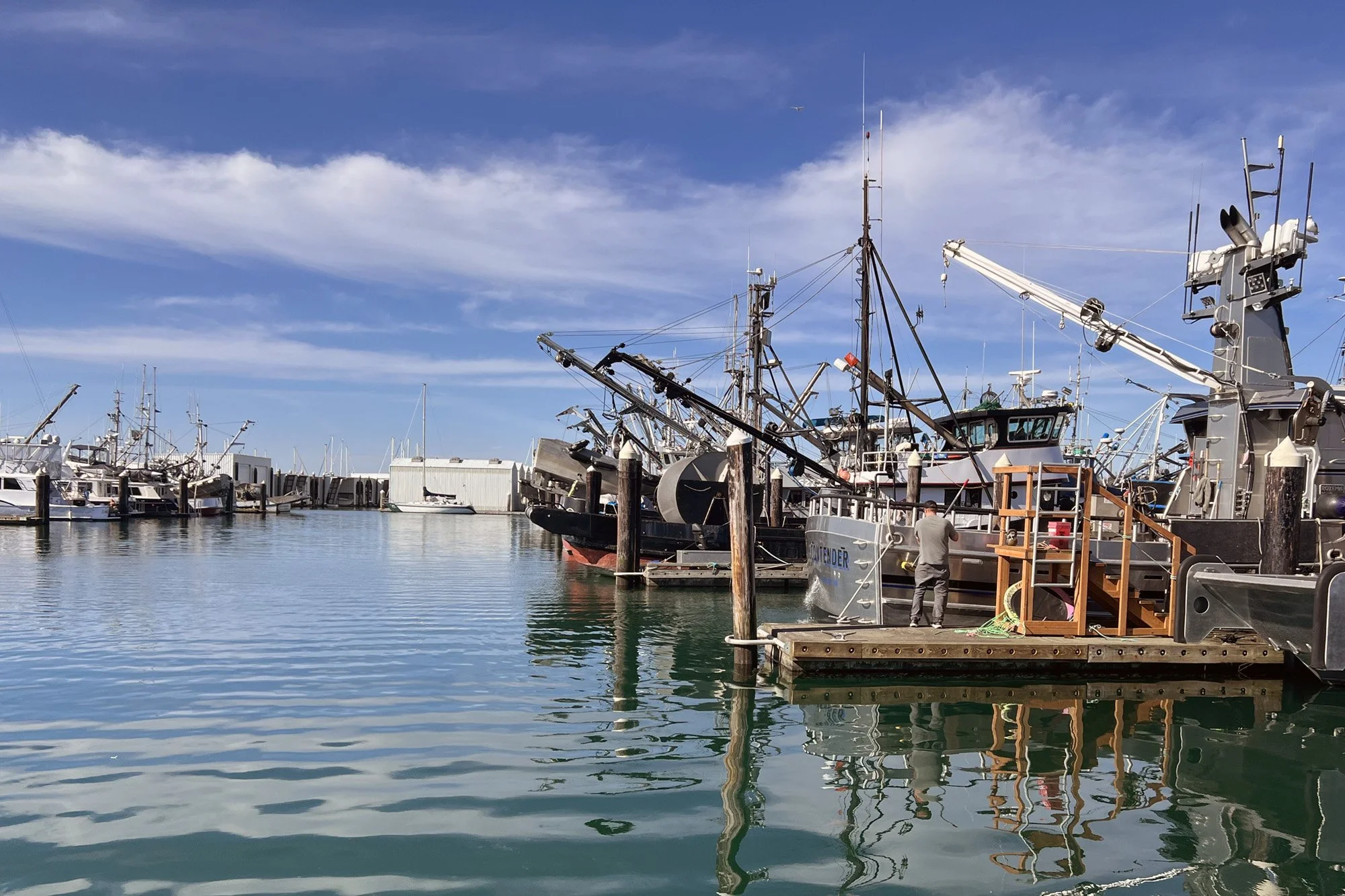
Port of Bellingham near Lummi Nation in Washington State.
The “Boldt Decision,” formally known as United States v. Washington (1974), is a landmark court ruling that fundamentally reshaped how treaty rights are understood and applied in the United States. For over a century, tribes in western Washington struggled to exercise their treaty-protected right to fish, hunt, and gather on their land. Some tribal members were even criminalized for it. The Boldt Case stated definitively that tribes can fish in their traditional areas (even when those areas fall outside reservation boundaries), harvest 50% of the total allowable catch each year, and help manage fisheries alongside the state and federal governments.
The tribes involved in the Boldt Case are sometimes collectively known as “Salmon People.” They’ve relied on salmon and other species of fish and shellfish to support their way of life for millenia. The tribes’ own histories, as well as anthropological and historical research, firmly establish that salmon and other fish/shellfish have always been at the core of Indigenous cultures and economies in the Northwest. Salmon, especially, carry significant cultural and spiritual significance.
Salmon were also a key part of pre-contact commercial trade relations along the West Coast and across the Cascades, allowing the tribes of western Washington to enjoy a level of prosperity concomitant with the natural bounty of its unique environment. Due to its climate, forests, precipitation levels, and oceanic proximity, the pre-contact Pacific Northwest had the greatest protein density (protein produced per acre) of any North American region, thanks in large part to its salmon runs.
Settler occupation of the Pacific Northwest
Europeans first arrived in the Pacific Northwest in 1769, when the Spanish began establishing missions and towns in what is today coastal California. Then came the British and Russians. Eventually, during the presidency of James Polk in the 1840s, and without any input whatsoever from the Indigenous peoples who had lived on and cared for the region’s lands and waters for countless generations, the United States acquired “full control" of the Oregon Territory. Over the decade that followed, as future states within this territory began to consider statehood, the issue of so-called “Indian Treaties” gained prominence.
US politicians and business leaders looked at the Northwest’s natural abundance and saw dollar signs. They wanted access to these resources for capitalistic exploitation and needed a way to remove Indigenous people from the land. Treaties were the primary tool used to achieve this end.
To help enforce the treaties, many territorial governors—including Washington’s—were designated as their territory’s Commissioner of Indian Affairs. Isaac Ingalls Stevens, a US Army and Corps of Engineer Officer from Massachusetts, was appointed Territorial Governor and Commissioner of Indian Affairs of/for the Washington Territory in 1853, despite having very little familiarity or experience working with Indigenous people. Ideologically fueled by the notion of manifest destiny (the belief that the United States had a God-given claim to the entire North American continent), Stevens looked down upon tribes and likely viewed their removal from the land as inevitable and even in their own best interest. These views led to a heavy-handed treaty negotiation strategy that grouped politically separate Indigenous villages together into often-fictitious units and identified individuals to act as “chiefs” who could supposedly speak for the entire “tribe.” This made it easier to skew negotiations in favor of US governmental and business interests. Treaty negotiations were also conducted in English and Chinook Jargon, which was a lexically limited conglomeration of English, French, and a variety of Indigenous languages.
Within this slanted framework, five treaties at the heart of the Boldt Decision were signed into law from 1854–1855. These treaties dramatically reduced the land bases of the tribes involved, largely relegating (and often displacing) them to small reservations. Importantly, however, the treaties also included language that played a major role in Judge Boldt’s momentous decision more than a century later. This language is best encapsulated in Article 3 of the Treaty of Medicine Creek:
The right of taking fish, at all usual and accustomed grounds and stations, is further secured to said Indians in common with all citizens of the Territory, and of erecting temporary houses for the purpose of curing, together with the privilege of hunting, gathering roots and berries, and pasturing their horses on open and unclaimed lands.
Westward expansion and Euro-American settlement accelerated and completely transformed the Pacific Northwest for the next few generations, as Indigenous peoples in the region (and throughout the country) continued to be removed from their traditional lands, confined to reservations, and subject to forced assimilation most notably through boarding school policies. At the same time, the arrival of salmon canneries in the 1870s marked the beginning of the ongoing decline in Pacific Northwest salmon runs that we see today, as the profit motive and large-scale (often unregulated) harvesting operations combined to decimate populations. Additional factors driving this decline include habitat loss, environmental degradation, nutrient reduction, dams, and climate change. While the Pacific Northwest’s environment of abundance has been and continues to be threatened by colonization and its ongoing legacies of development, environmental degradation, climate change, and profit-driven exploitation, the Boldt Decision has opened important avenues for tribes to play a meaningful role in efforts to protect the environment for future generations.
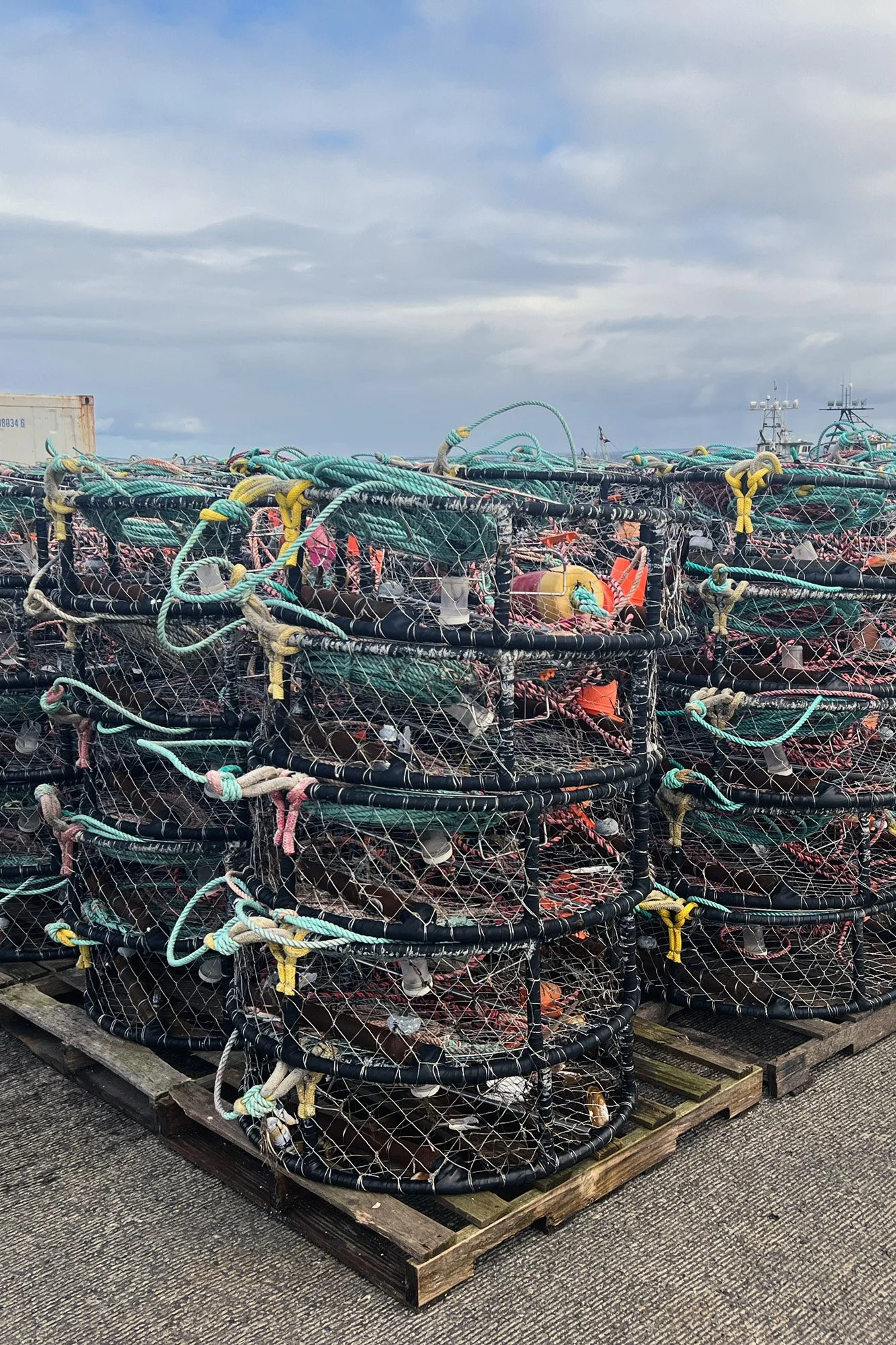
Crab pots used by Quinault crabbers off the coast of Westport.
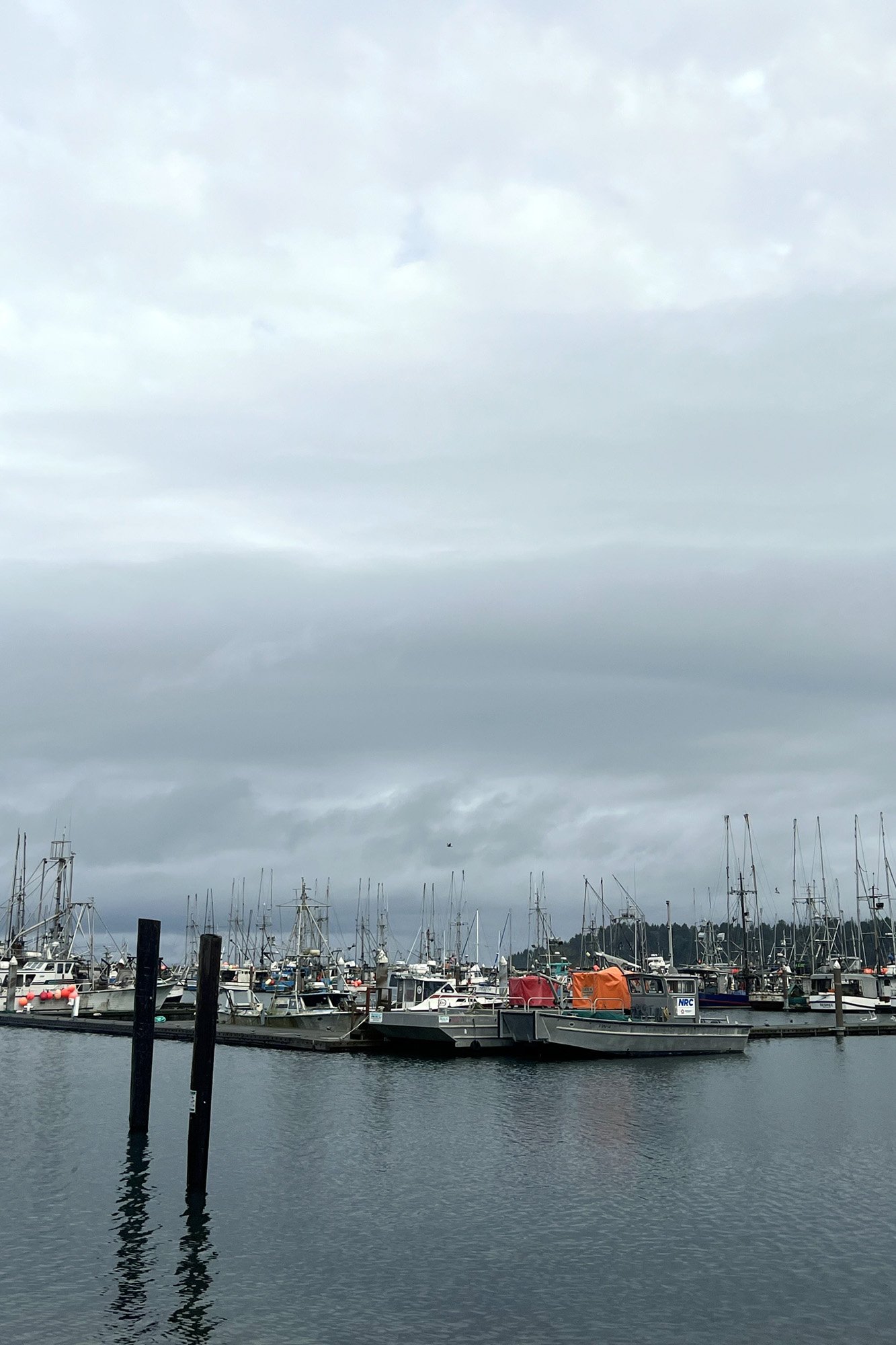
Fishing boats in Neah Bay.
The buildup to Boldt
The conditions that emerged after World War II set the stage for the activism that ultimately led to the Boldt Decision. The state of Washington claimed total jurisdiction over all aspects of tribal fishing as part of its right to pursue “conservation,” and state fisheries officers regularly arrested and jailed tribal fishers asserting their treaty rights. One such fisher was Billy Frank Jr., a member of the Nisqually Tribe who became the inspirational leader of the grassroots campaign to secure tribal fishing rights. First arrested as a teenager in 1945 for “illegal” fishing on the Nisqually River, Frank went on to organize demonstrations and “fish-ins” in the 1960s and 1970s. With public support for the tribal fishing rights buoyed by the boost of awareness achieved by the fish-ins, as well as the national civil rights and environmentalist movements of the time, the matter eventually made its way to the courts.
The first federal case involving Indigenous fishing rights in the Northwest was United States v. Oregon, filed in 1968 by the federal attorneys acting as trustees for the Warm Springs, Umatilla, and Nez Perce Nations of Oregon and the Yakama Nation of Washington. Setting an important precedent for the Boldt Decision, District Judge Robert Belloni ruled that the tribes must have a specific share of the Mid-Columbia River salmon resource, referring to it as a “fair share.” While Judge Belloni did not designate a precise number or percentage, the ruling was an important legal victory that inspired hope for tribes in Washington and across the country. Many of Washington’s treaty tribes began preparing for similar litigation by recruiting lawyers to take on the case.
The complaint in United States v. Washington was officially filed on September 18, 1970, just days after national media coverage of a violent police raid on tribal fishers and families on the Puyallup River. The original eight tribes involved in the case were the Hoh, Makah, Muckleshoot, Nisqually, Puyallup, Quinault, Quileute, and Skokomish; they were eventually joined by the Lummi, Sauk-Suiattle, Squaxin, Stillaguamish, Suquamish, Tulalip, Upper Skagit, and Yakima.
The assignment of the case to Judge George Boldt did not initially seem like a promising development for the tribes or the attorneys involved in the case. He was known to be a conservative judge, and at the time, the struggle for Indigenous fishing rights was viewed as a fairly progressive cause. But as the case proceeded, it became clear that Judge Boldt understood the gravity of the issues and took great care to decide the case on an accurate historical and anthropological record of tribal fishing in the Northwest.
Some of the most important participants in the trial were expert witnesses who testified on the tribes’ deep connection to the environments and resources of western Washington. Dr. Barbara Lane, a Canadian anthropologist, was perhaps the most impactful expert witness of the whole case. She and her husband had been working with (and often for) tribes in the Pacific Northwest since 1948. They worked with Billy Frank Jr., tribal attorneys, and others to produce original research reports detailing each treaty tribe’s culture, lifeways, history, and fisheries. These reports, and her testimony during trial, appealed greatly to Judge Boldt’s persuasion toward established and documented facts. The state of Washington had no comparable expert witness or collection of documented facts to support their arguments.
It became clear that Judge Boldt understood the gravity of the issues and took great care to decide the case on an accurate historical and anthropological record of tribal fishing in the Northwest.
Dr. Lane’s impact on the case was instrumental in many ways. Her research showed that tribes had complex trade networks at the time the treaties were signed, correcting the federal government’s misguided assumption that tribes fished solely for subsistence. The rights of Indigenous fishers to sell fish commercially became a key part of the tribes’ case. Dr. Lane’s findings demonstrated that tribes had been effectively managing their own fisheries resources through Indigenous conservation policies that weren’t formally documented, but had been widely understood for thousands of years. Witnesses from the Quinault and Yakama tribes were able to testify to their own robust, sovereign natural resource management systems. This testimony, in tandem with Dr. Lane’s documented research findings, was no doubt a major influence on the co-management framework Judge Boldt laid out in his eventual decision.
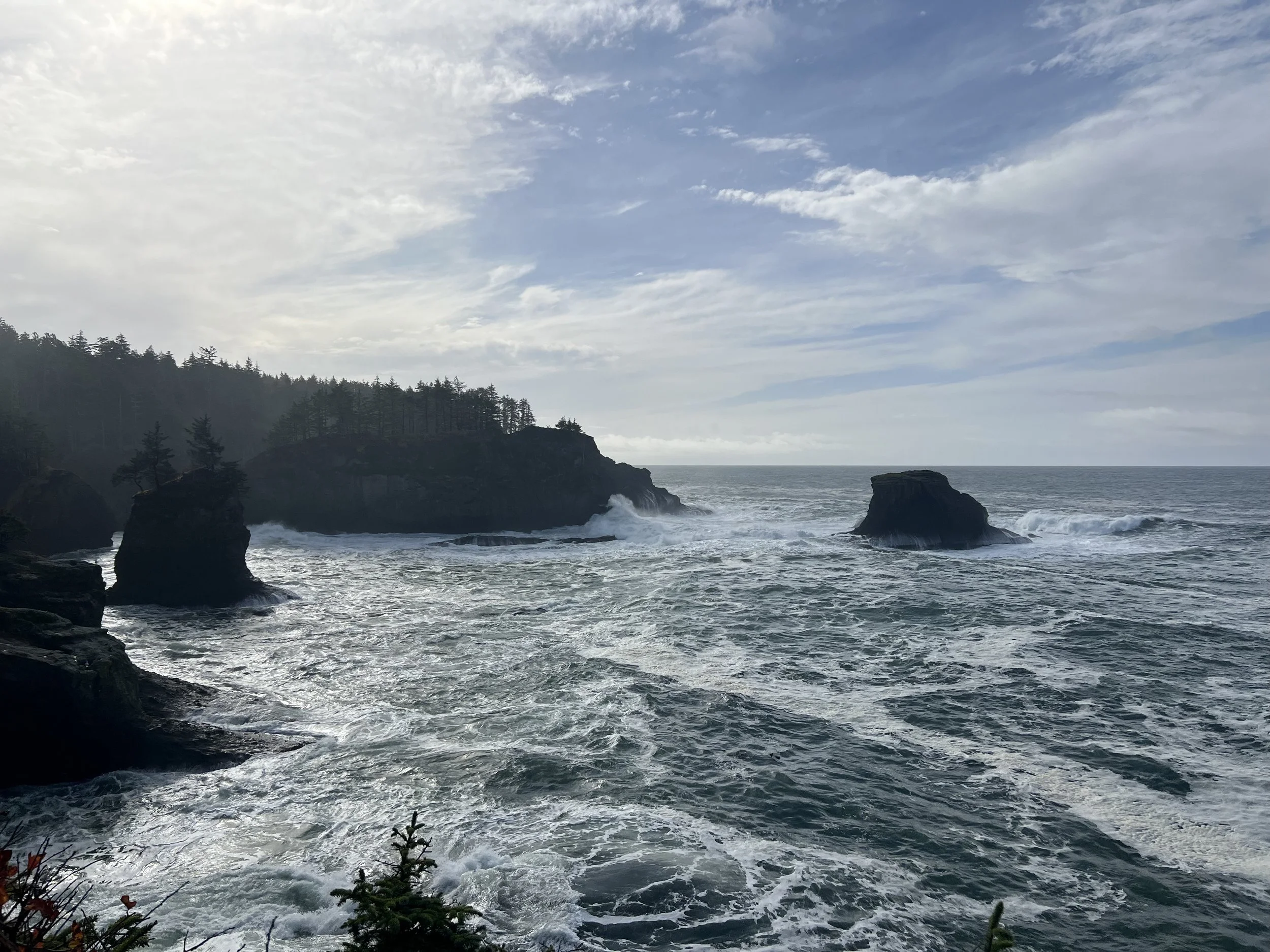
Coastal waters of Cape Flattery, Makah tribal land.
The decision and its aftermath
Well over 100 pages long, Judge Boldt’s opinion is carefully written and covers a lot of important ground. Much of it is dedicated to explaining the tribes’ cultural and economic ties to fisheries, reflecting the impact of the witnesses' testimonies. In regards to how much power state officials had to regulate tribal fishers, he laid out their fairly narrow role:
The state has police power to regulate off reservation fishing only to the extent reasonable and necessary for conservation of the resource. For this purpose, conservation is defined to mean perpetuation of the fisheries species. Additionally, state regulation must not discriminate against the Indians, and must meet appropriate due process standards.
From there, Boldt discusses the state and tribes’ “fair shares” of the resource, settling on a 50-50 split between treaty fishers and non-treaty fishers:
By dictionary definition and as intended and used in the Indian treaties and in this decision “in common with” means sharing equally the opportunity to take fish at “usual and accustomed grounds and stations”; therefore, non-treaty fishermen shall have the opportunity to take up to 50% of the harvestable number of fish that may be taken at usual and accustomed grounds and stations and treaty right fishermen shall have the opportunity to take up to the same percentage of harvestable fish, as stated above.
It is hard to overstate the impact of this aspect of his opinion. It is estimated that tribal fishers were bringing in about 5% of total commercial salmon landings in Washington at the time of the trial; this number reached nearly 50% within a decade of the ruling.
From statehood in 1889 until the time of the trial, Washington’s fisheries management activities were carried out by the state (and to some extent the federal government) while tribes had their own systems of fisheries management. By the 1970s, many tribes had developed designated fisheries management entities. The levels of federal, state, and tribal sovereignty, however, had little meaningful interaction. For tribes, a critical component of Judge Boldt’s decision was a set of criteria that, if met, entitled each tribe to self-regulating their own fishery resources. While there was room for greater equity and inclusion of tribal perspectives in these criteria, they were a major step in the right direction.
Some tribes, like Quinault and Yakama, already had robust fisheries management departments in the eyes of Judge Boldt. Others developed such departments in the years immediately following the decision. The Northwest Indian Fisheries Commission (NWIFC), formed in 1974 as one of the first intertribal organizations in the country, quickly developed and leveraged expertise in fisheries biology and habitat protection to help individual tribes create fisheries management departments. The organization remains a vital partner to tribal fisheries today.
Judge Boldt’s framework for addressing the issue of overlapping sovereignty as it relates to fisheries management is commonly referred to as “co-management.” At the time of Judge Boldt’s decision, the relationships between state, federal, and tribal officials and fisheries managers were strained, often hostile, or nonexistent at best. No mutually accepted data on things like fish health, catch numbers, or stock sustainability existed. Judge Boldt therefore adopted and outlined procedures for a shared fisheries management arrangement that would require collective efforts by federal, state, and tribal managers. In this way, the Boldt Decision was as much a starting point as it was a resolution.
Judge Boldt’s ruling was a massive upheaval for the fishing industry in Washington, and the significant changes were not accepted overnight. The five years following the 1974 decision were marked by legal challenges and open defiance of the law by some non-Native fishers and state officials. But when United States v. Washington was finally reviewed by the US Supreme Court in 1979, the court’s opinion strongly affirmed Judge Boldt’s decision.
The five years following the 1974 decision were marked by legal challenges and open defiance of the law by some non-Native fishers and state officials.
The legal proceedings did not end there, however. In 1980, in what is commonly referred to as “Boldt II,” Judge William Orrick (who replaced the retired Boldt) ruled that hatchery-bred fish must be counted as part of the tribes’ allocated share, and that treaty rights include the right to protection of fish habitat from man-made degradation. A move by the Ninth Circuit Court of Appeals to vacate the habitat protection component of the ruling resulted in decades of litigation around specific instances of habitat destruction. Most notably, in 2001, 21 tribes sued the state to remove concrete drainage culverts from state highways, as these structures were found to significantly impede salmon movement. As of a 2018 Supreme Court decision, the state is required to fix high-priority barrier culverts by 2030.
Political opposition has swelled at various times, but so far the opposition has been effectively curbed. The Boldt Decision has proven to be legally durable, though its maintenance requires ongoing efforts by tribal governments, tribal and federal attorneys, fishers themselves, and allied advocates.
Where we are now
More than 50 years after the Boldt Decision, the current state of tribal fisheries in the Northwest is shaped by both hard-won legal victories and an ongoing ecological crisis. The decision is recognized as one of the most important civil rights rulings in US history, offering a rare example of a court both affirming a right and providing a framework for building the institutional capacity to make that right a reality. The Boldt Decision also fed into a national resurgence in tribal sovereignty efforts, as tribes and other Indigenous groups across the country and around the world asserted their own treaty rights in courts and legislatures with renewed confidence.
The environmental reality, however, is concerning. Salmon populations across the Pacific Northwest have declined sharply due to habitat loss, dams, rising water temperatures driven by climate change, agricultural and urban runoff, and historical overharvesting. Several salmon species are now listed under the Endangered Species Act. Treaty tribes are investing millions of dollars annually in habitat restoration, hatchery operations, and salmon recovery efforts, as they work in collaboration with state and federal agencies, conservation organizations, and public utility entities. Fortunately, the co-management framework established in the Boldt Decision has helped create legal and institutional space for tribes to be genuine partners in these efforts.
The treaties of the 1850s specified rights to access, utilize, and manage natural resources for tribes in western Washington. The state, however, spent over a century downplaying and outright denying these promised rights. Rather than accepting this injustice, many tribal fishers spent decades being arrested, beaten, and ignored by the state as they stood up for these rights. Based on careful review of the historical record and tribal perspectives, Judge Boldt’s 1974 decision in favor of treaty rights forced fundamental changes that the tribes of western Washington have spent the decades since defending and extending. Alongside and through this work toward a more just recognition of sovereign rights, tribes and treaty rights advocates are deeply engaged in ongoing work to ensure healthy populations of salmon and other fish/shellfish for generations to come. As Billy Frank Jr. put it:
“We’re the advocates for the salmon, the animals, the birds, the water. We’re the advocates for the food chain. We’re an advocate for all of society. Tell them about our life. Put out the story of our lives, and how we live with the land, and how they’re our neighbors. And how you have to respect your neighbors and work with your neighbors.”
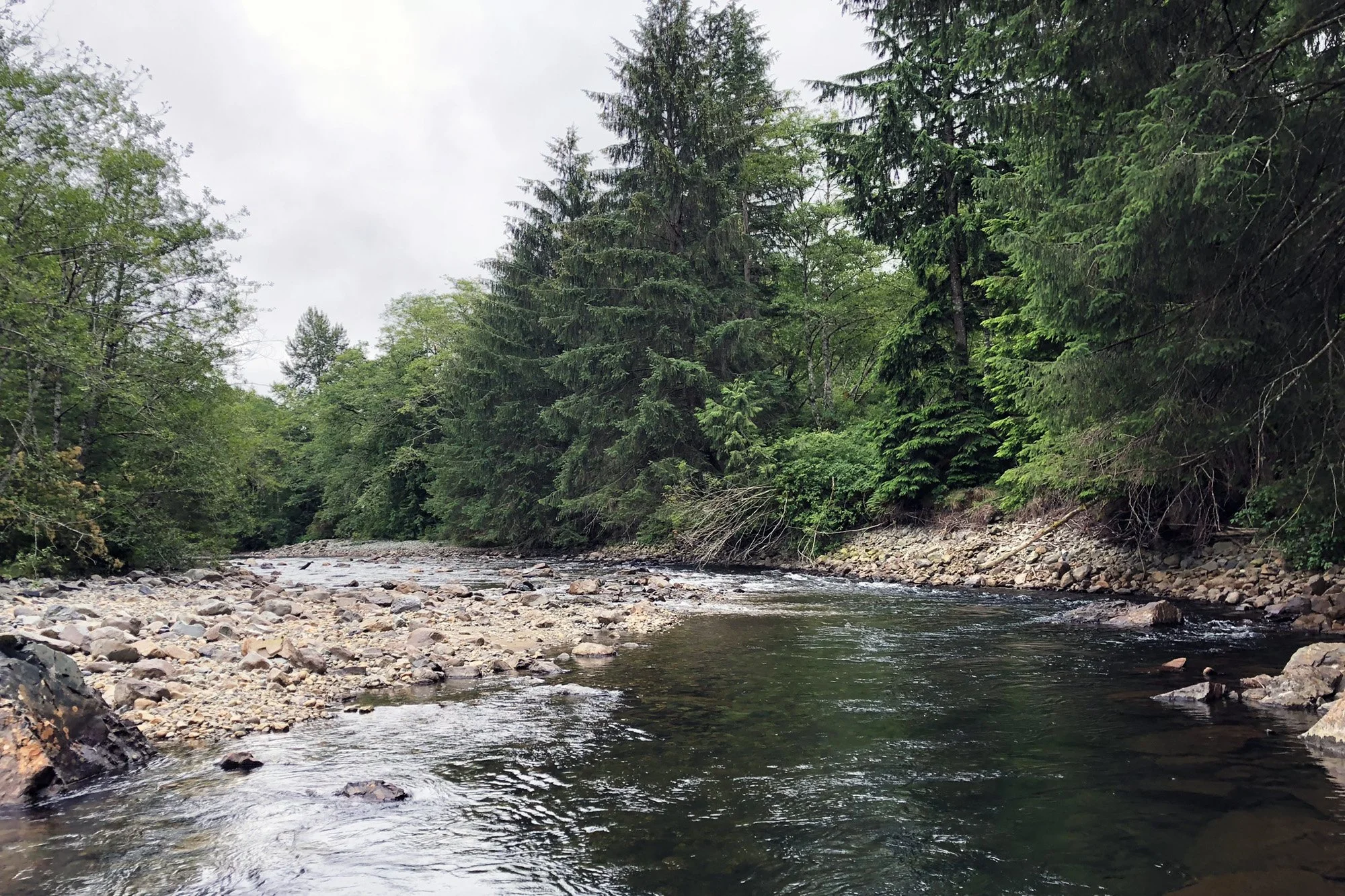
View of the Snoqualmie River.
Sources
Blumm, M. C. (2009). Indian treaty fishing rights and habitat protection. Natural Resources Journal, 49(2), 345–408.
Blumm, M. C., & Baermann, C. (2020). The Belloni decision and its legacy: United States v. Oregon and its far-reaching effects after a half-century. Environmental Law, 50(2), 347–383.
Columbia River Inter-Tribal Fish Commission. (2024, February 12). 50 years of Boldt: Commemorating the historic treaty fishing rights decision.
Geranios, N. K. (2024, February 11). The Boldt decision’s impact on Indigenous rights, 50 years later. Cascade PBS.
Last, F. M. (2009, March 10). Frank, Billy Jr. (1931–2014). HistoryLink.org.
National Oceanic and Atmospheric Administration (NOAA) Fisheries. (n.d.). Salmon and steelhead fisheries on the West Coast: United States v. Washington.
North 40 Productions. (2024). Fish War [Film].
Northwest Indian Fisheries Commission. (2014). NWIFC news: Summer 2014.
O’Neill, E. (2018, June 12). Supreme Court gives tribes a victory over Washington state in salmon case. Oregon Public Broadcasting.
Puget Soundkeeper Alliance. (2024, July 15). Tribal treaty rights and salmon: The legacy of the Boldt decision.
Puyallup Tribe of Indians. (2024). Reflecting on 50 years since the Boldt decision.
Rosier, P. C. (2003). Native American issues. Greenwood Press.
United States v. Washington, 384 F. Supp. 312 (W.D. Wash. 1974).
University of Washington School of Aquatic and Fishery Sciences. (2024, December). Where are we now? Reflections on tribal fisheries and co-management 50 years after the Boldt decision.
U.S. Fish and Wildlife Service. (n.d.). Listed animals. Environmental Conservation Online System (ECOS).
Washington Law Library. (2019, February 12). Remembering the Boldt decision. Medium.
Washington State Recreation and Conservation Office. (2025, May 22). Tribes and salmon recovery. State of Salmon in Watersheds.
Washington State Recreation and Conservation Office, Governor’s Salmon Recovery Office. (2024). State of salmon in watersheds: 2024 executive summary.
Wilkinson, C. (2024). Treaty justice: The Northwest tribes, the Boldt decision, and the recognition of fishing rights. University of Washington Press.
Share