The complicated beauty of America’s national parks
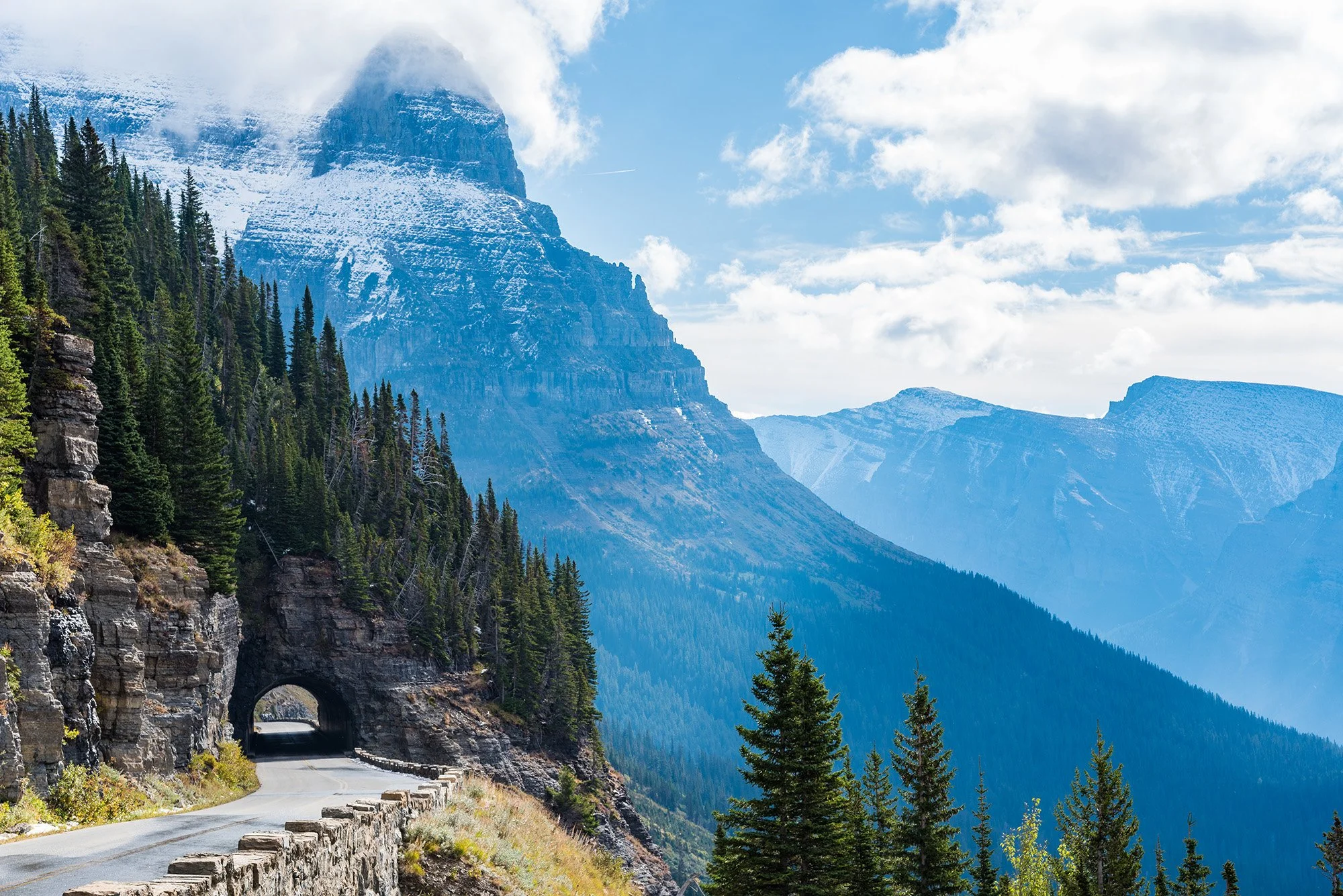
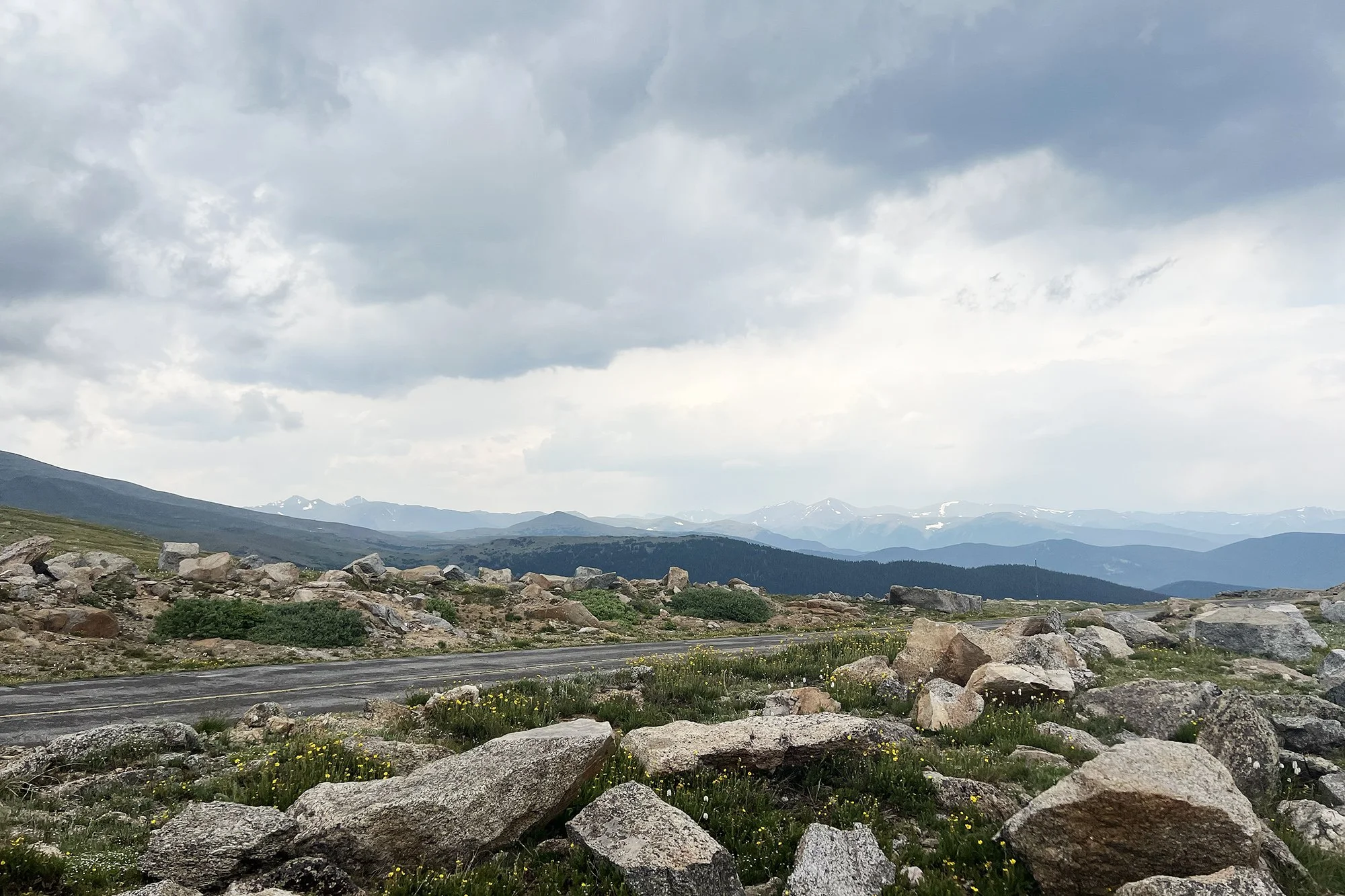
Going-to-the-Sun Road, Glacier National Park, Montana.
I was 20 years old when I first visited a national park. It was late spring after my junior year of college when my then-boyfriend (now husband) and I embarked on a 1,500-mile train trip from Chicago to Glacier National Park. It was 33 hours one way.
The train went due north from the station, up to Milwaukee and across the familiar midwestern landscape I knew so well. As we ventured westward through the North Dakota grasslands, mounds and hills erupted through the prairie floor. A few at first, they became more and more frequent until the Montana Rockies appeared like a hazy blue wall of jagged stone.
When we arrived at West Glacier, a handful of us weary passengers gathered our bags and shuffled off the train. As my feet touched solid land, the sheer size of the mountains overtook me. I felt infinitesimal beside their splendor. To sense my own smallness in this vast wilderness, many millions of years older than me, was spectacularly unnerving.
What I didn’t know at the time was that the Blackfeet People were the true stewards of the land, and that our train traveled right through the Blackfeet Reservation to get to the park entry. I learned later that Glacier, like many national parks, carries a history of cultural erasure, and to many tribes, like the Blackfeet, these lands are sacred to their way of life. What I believe now is that to truly appreciate our exquisite public parks, we must grapple with their violent origins and honor the human story behind the grandeur.
Negotiated in the absence of fairness
In the 1800s, as more and more settlers inundated the backcountry, the US government used treaties to brutally displace Native Americans from their most sacred lands. These treaties were not executed in good faith. Tribes were threatened, bribed, or placed under extreme duress when they were given no choice but to sign. And even when they made the devastating decision to do so, the government consistently violated the treaties and chiseled away even more rights.
When the Blackfeet were forced to sell what is now Glacier National Park in 1895, they had just endured unparalleled disease, starvation, and loss due to white settlement. In return, the Blackfeet were promised the right to fish, hunt, and gather on that same land. But in 1932, a US district court determined these rights were extinguished upon the designation of the national park in 1910.
Tribes have been mired in relentless renegotiations, reinterpretations, and reversals of treaty rights since these documents were created. It can take years of back-and-forth litigation for a tribe to successfully regain rights that were already theirs, only to have them lost on appeal or nullified by Congress.
To truly appreciate our exquisite public parks, we must grapple with their violent origins and honor the human story behind the grandeur.
Under the Biden administration, the National Park Service made significant strides in improving federal land stewardship in Indian Country and including tribes in the management of their ancestral lands. The administration prioritized fulfilling trust obligations and protecting tribal land sovereignty and resource rights. For the National Park Service, that meant protecting the sacred sites and cultural heritage for 574 federally recognized tribes. After decades of exclusion and suppression of Native leadership, it was finally a step in the right direction.
A “new era” of co-management was being ushered in, as federal land management agencies were directed to enter co-stewardship agreements with tribes. Additional orders promised federal support of Indigenous traditional ecological knowledge and subsistence practices, and to honor treaty rights in forest management. Charles Sams, the first Native American director of the parks, encouraged co-management agreements between park superintendents and local tribes. By the time he left, the number of agreements had grown from a half-dozen to 159. Frustratingly, due to the elimination of hundreds of positions and the general turmoil caused by DOGE (Department of Government Efficiency) last year, many agreements were abandoned. Hard-earned progress was lost.
As the Trump administration continues to gut the National Park Service, it wants to slash the Historic Preservation Fund by 95%. If approved, protections for cultural resources would be nearly eliminated. This comes on top of Trump’s manufactured “energy crisis” and an executive order that allows federal agencies to legally sidestep the National Historic Preservation Act and bypass tribal review.
Cuts to the Historic Preservation Fund would affect the hundreds of tribal historic preservation officers (THPOs) who play critical roles in tribal communities. THPOs work to protect, preserve, and promote the tribe’s history and culture, and some have spent decades bridging Indigenous knowledge with government bureaucracy. They can serve as lifelines between tribes and federal agencies. They’re often the only way tribal voices can be heard.
The United States has an obligation to uphold its trust agreements with Tribal Nations and protect tribal sovereignty. Drastic cuts like these are an abomination to those agreements. Each federal cut means an opportunity lost, and a Native voice silenced.
When I reminisce about my trip to Glacier all those years ago, I think about the voices I didn’t hear while I was there. If I were to go back, I’d do it differently. This time I’d take a bus tour up Going-to-the-Sun Road and learn more about Blackfeet history. Or go to a Blackfeet Singers and Dancers performance and be immersed in Glacier’s local tribal culture. I would take time to discover who is at home in this place, and I would know how to be a better visitor on Native lands.
If the Trump administration has its way, what becomes of the Blackfeet’s presence in Glacier, and of the presence of tribes in parks across the country? What becomes of the disappearing truth as interpretive signs that could “hurt” the feelings of white people are being replaced with signs asking visitors to report when they’re being made to feel “negative about the past”?
Charles Sams says the administration “is doing to the national parks what European settlement did to Native lands. But this time around, loss and heartbreak are being exacted upon every American no matter your ethnicity, nationality, or background.”
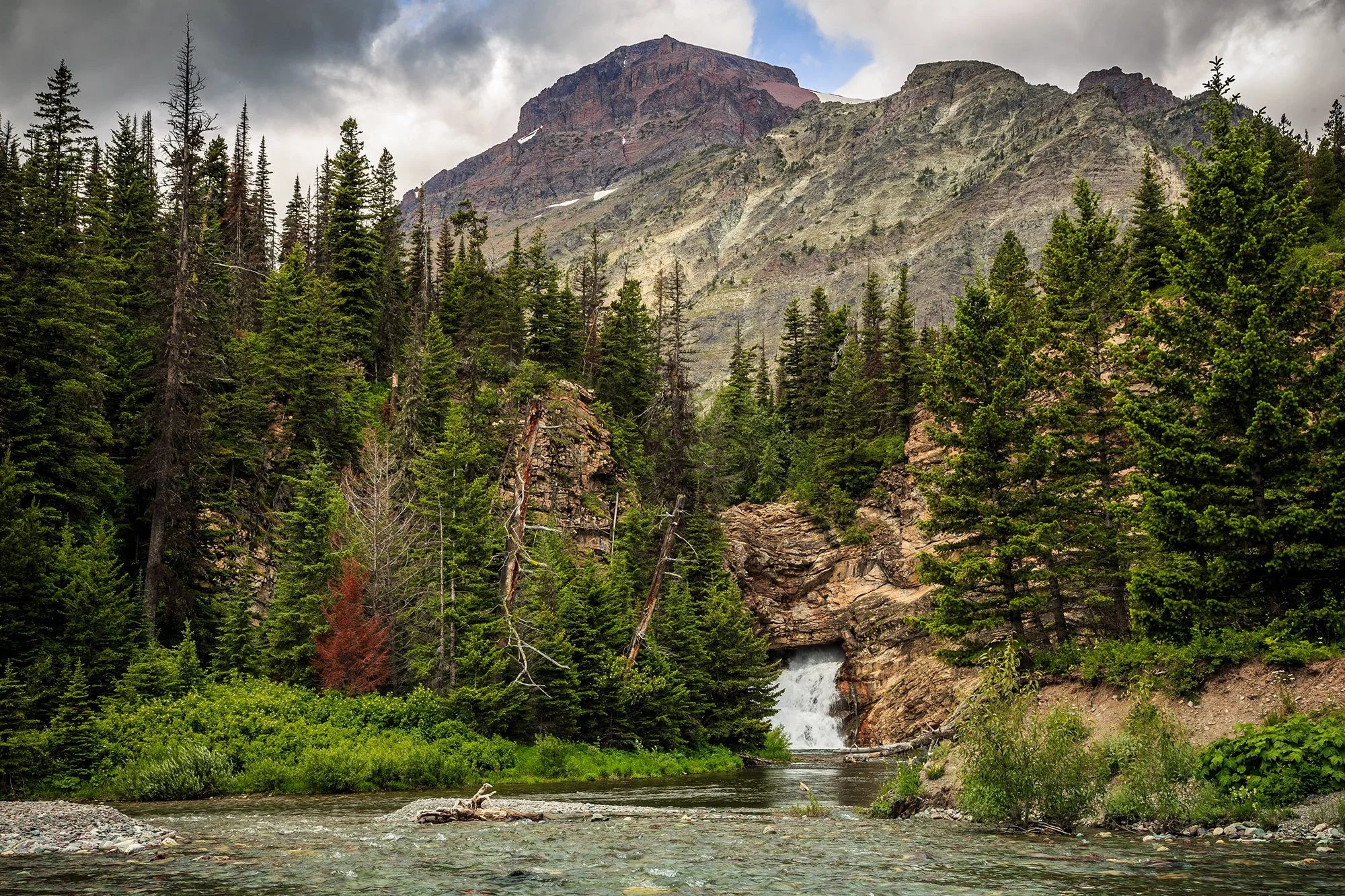
Running Eagle Falls, a sacred waterfall named after Pitamakan, a female warrior of the Blackfeet Tribe.
We must protect these spaces for future generations and from the whims of one president. We must join the call for the preservation of our public lands. We must connect with nature and learn more about the land we live on. And, crucially, we must continue to support Native rights.
“You feel the presence of the past. You feel the presence of not only the people, but the animals and everything that was there before. When you can feel the presence and understand that, you come away from there feeling energized. You feel hope. You feel that there’s hope for the future generations.”
—Tony Incashola (Salish/Pend d’Oreille)
Share